Lebanon and Israel extend nominal truce as Iran signals readiness for US talks
Tehran indicates willingness for serious negotiations with Washington, while Beirut’s Ministry of Health releases updated figures on the human toll of Israeli attacks since early March.
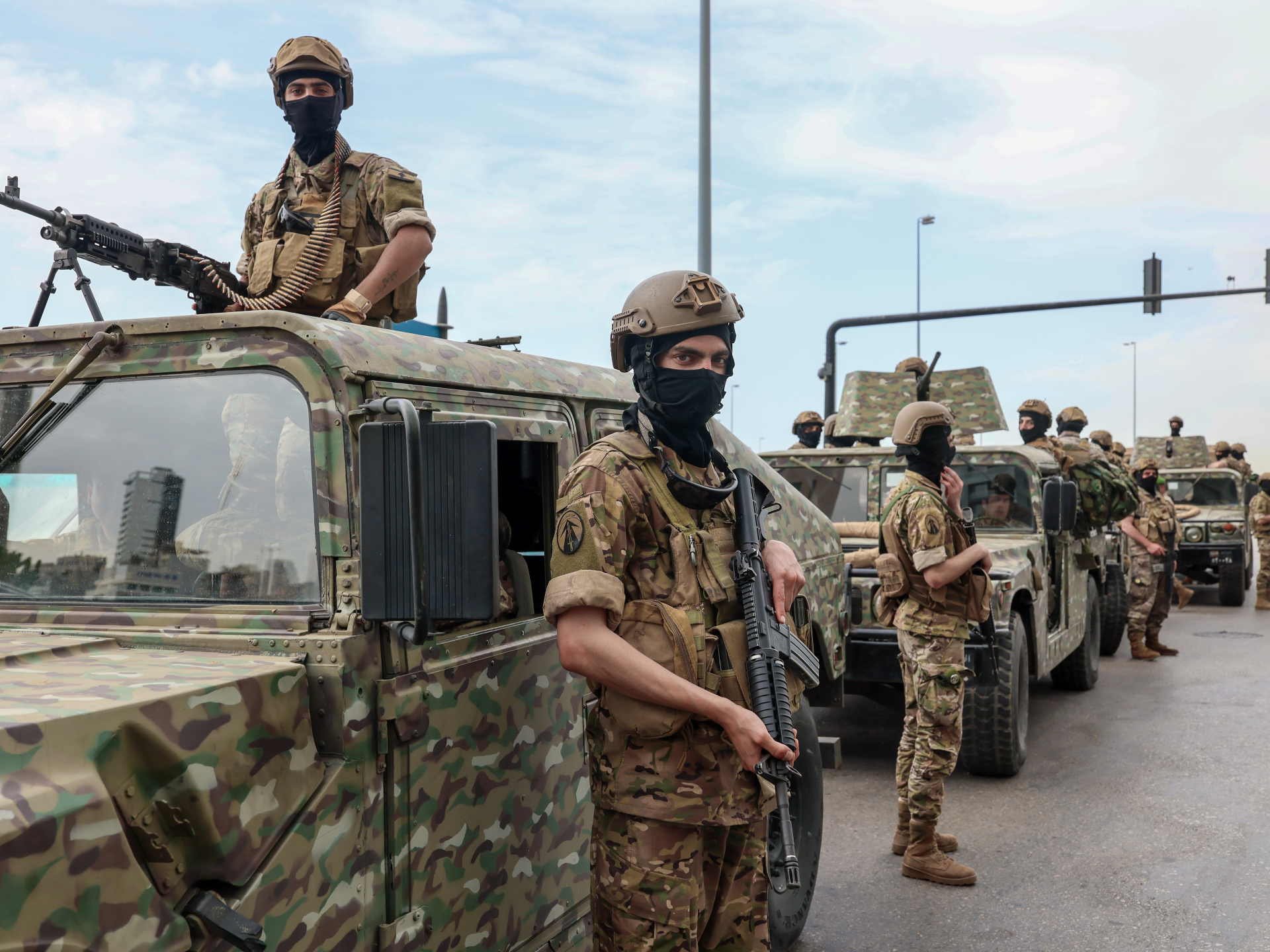
Lebanon and Israel have extended a nominal truce, marking a shift in the operational tempo of their ongoing conflict. The extension of the ceasefire arrangement comes amid broader diplomatic activity in the region, with Iran indicating its readiness to engage in serious talks with the United States.
The status of the truce remains subject to interpretation, as the term 'nominal' suggests that the agreement may not be fully effective or universally observed on the ground. While the extension signals a pause in hostilities, the precise conditions and adherence to the terms by all parties involved remain unclear.
Concurrently, Tehran has signalled a willingness to pursue diplomatic channels with Washington. Iran’s indication of readiness for 'serious' talks represents a potential opening in US-Iran relations, although it does not confirm that formal negotiations have commenced or that any agreements have been reached.
In the context of the conflict, Lebanon’s Ministry of Health has reported significant casualties resulting from Israeli attacks. According to data released by the ministry, the attacks, which have been tracked since 2 March, have killed 2,951 people and wounded at least 8,988 others.
These figures, sourced exclusively from Lebanese government records, provide a snapshot of the human cost of the conflict but may not account for unverified reports or discrepancies in data collection during active hostilities. The ministry’s data serves as the primary reference for the current casualty count in the region.
The convergence of a nominal truce extension, Iranian diplomatic overtures, and updated casualty reports highlights the complex interplay of military and political dynamics in the Middle East. As diplomatic channels remain open, the international community continues to monitor the situation for signs of a more durable resolution.