Leading Labels enters liquidation, closing all 15 UK and Ireland stores
The retailer appointed Jeremy Bleazard of XL Business Solutions Limited as liquidator on May 26, with clearance sales underway as it winds down operations.
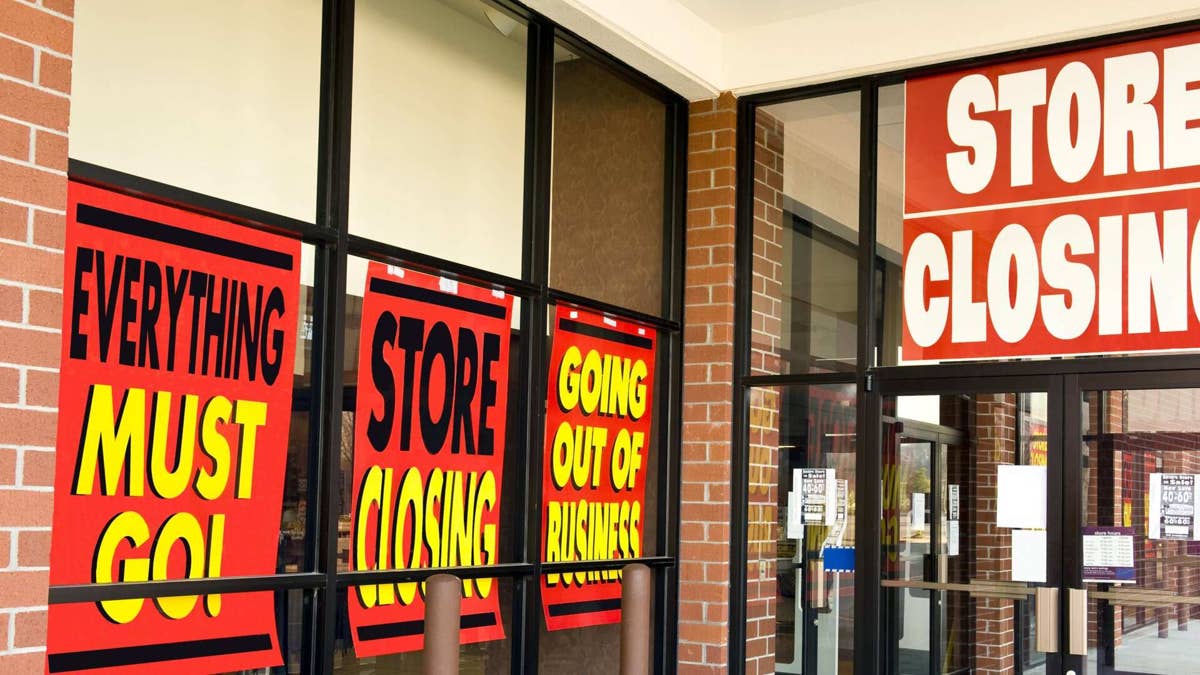
Global fashion retailer Leading Labels has confirmed the closure of all 15 remaining stores in the UK and Ireland following its entry into liquidation. Founded in 1993, the outlet chain offered discounted designer and branded apparel but could not withstand financial pressures, rising operating costs, and intense competition from e-commerce platforms such as Shein and Temu.
Liquidator Jeremy Bleazard of XL Business Solutions Limited was appointed on May 26, with clearance sales already underway as the business winds down operations. The appointment follows an earlier notice indicating that the company could be struck off the register and dissolved within two months from March 10 if action was not taken.
Companies House filing history shows the retailer failed to submit accounts due in November 2025, a sign that administrative and financial pressures may have been building before the company entered liquidation. Companies House serves as the UK's official register of companies, maintaining public records of incorporated businesses and overseeing company dissolutions.
Leading Labels faced many of the same challenges affecting apparel retailers across the industry, including weaker consumer spending, higher operating costs, and shifting shopping habits. The retailer operated in a particularly challenging market segment. While discount fashion has historically appealed to value-conscious consumers, platforms such as Shein and Temu have dramatically altered expectations around price, product selection, and delivery speed, eliminating some of the advantages traditional outlet retailers once held.
The company's off-price retail model also confronted growing competition from fast-growing e-commerce marketplaces that can rapidly introduce trend-driven products at ultra-low prices while operating with lower costs than many physical store chains. At the same time, the retail landscape has undergone a dramatic transformation. The global e-commerce market was valued at $33.91 trillion in 2025 and is projected to reach $155.98 trillion by 2033, growing at a compound annual growth rate of 21.6%, according to Grand View Research.
As online shopping continues to expand globally, retailers are being forced to invest heavily in digital capabilities, supply chain efficiency, and customer experience to remain competitive. Retail analysts at Forrester say long-term survival increasingly depends on a retailer's ability to balance operational efficiency with digital innovation and a seamless customer experience.
Leading Labels' liquidation reflects a broader trend across the retail sector, where many legacy fashion chains are finding it increasingly difficult to compete in a market driven by speed, convenience, and aggressive online pricing. Most recently, fashion retailer Quiz revealed plans to close all 37 of its remaining standalone stores by the end of June 2026 following its entry into administration earlier this year. McKinsey & Company's State of Fashion 2026 Report projects low-single-digit growth for the global fashion industry, citing ongoing macroeconomic uncertainty, tariff pressures, and value-conscious consumer behavior.