Larry Fink recalls US$100m First Boston loss that reshaped his approach to risk
The BlackRock chief said a trading loss in 1986 contributed to his departure from First Boston and exposed gaps in the firm’s risk controls.
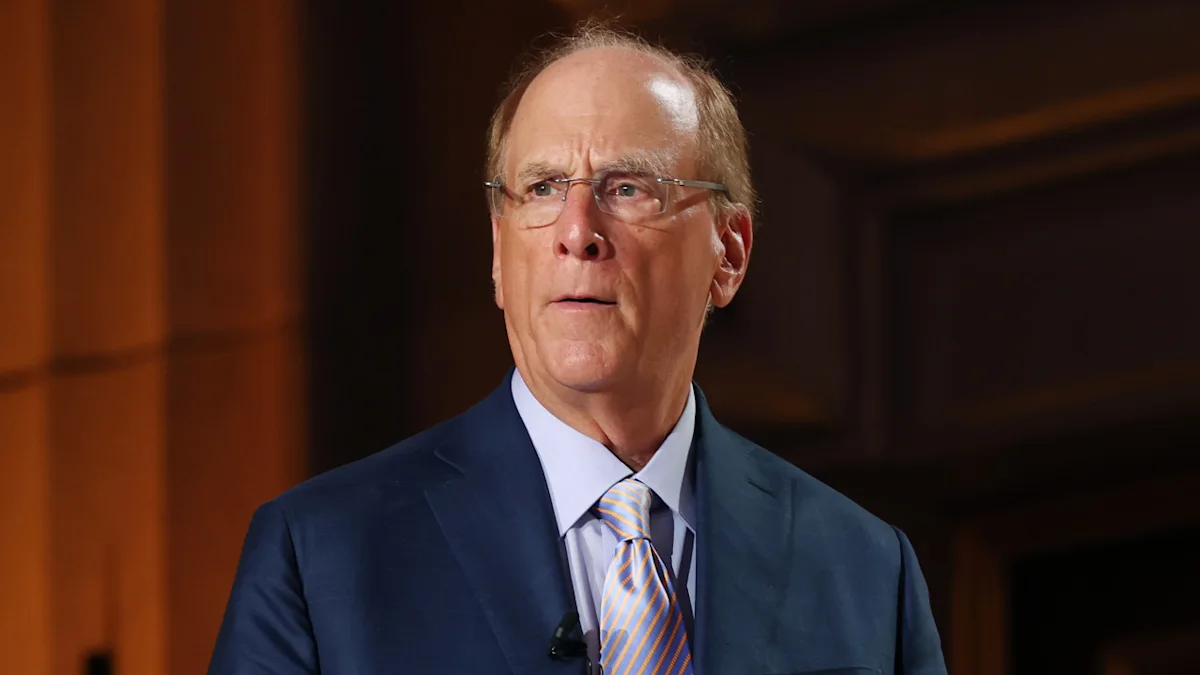
Larry Fink has recalled how trading positions at First Boston lost about US$100 million in the second quarter of 1986, an episode he later described as a defining lesson in portfolio risk management.
Fink joined First Boston in 1976 and rose to become one of the firm’s youngest managing directors, leading a mortgage-backed-securities trading desk. He said he had been “on track to become CEO” before the loss, adding: “I screwed up. And it was bad.”
The positions were based on expectations that interest rates would rise. When rates fell instead, the trades and the hedges intended to protect them were damaged. Fink had left First Boston by 1988, with the loss reported as contributing to his ouster.
In remarks reported by Yahoo Finance, Fink said the episode showed that firms needed stronger tools and procedures to understand portfolio risk. He has also said portfolios should be examined just as closely when they are making money, because gains can mask excessive risk.
Fink founded BlackRock in 1989 and later built it into one of the world’s largest investment firms. The source reports that BlackRock attracted US$192 billion in new client cash in the second quarter, while Fink linked some current equity-market optimism to corporate earnings, margins and growth associated with artificial intelligence.