Lake Chad Basin insecurity deepens as ISWAP and Boko Haram regroup
A surge in cross-border raids and the parallel rebuilding of Boko Haram’s strength underscore the limitations of current counterterrorism strategies and the persistent ‘economy of violence’ sustaining armed groups in northeastern Nigeria.
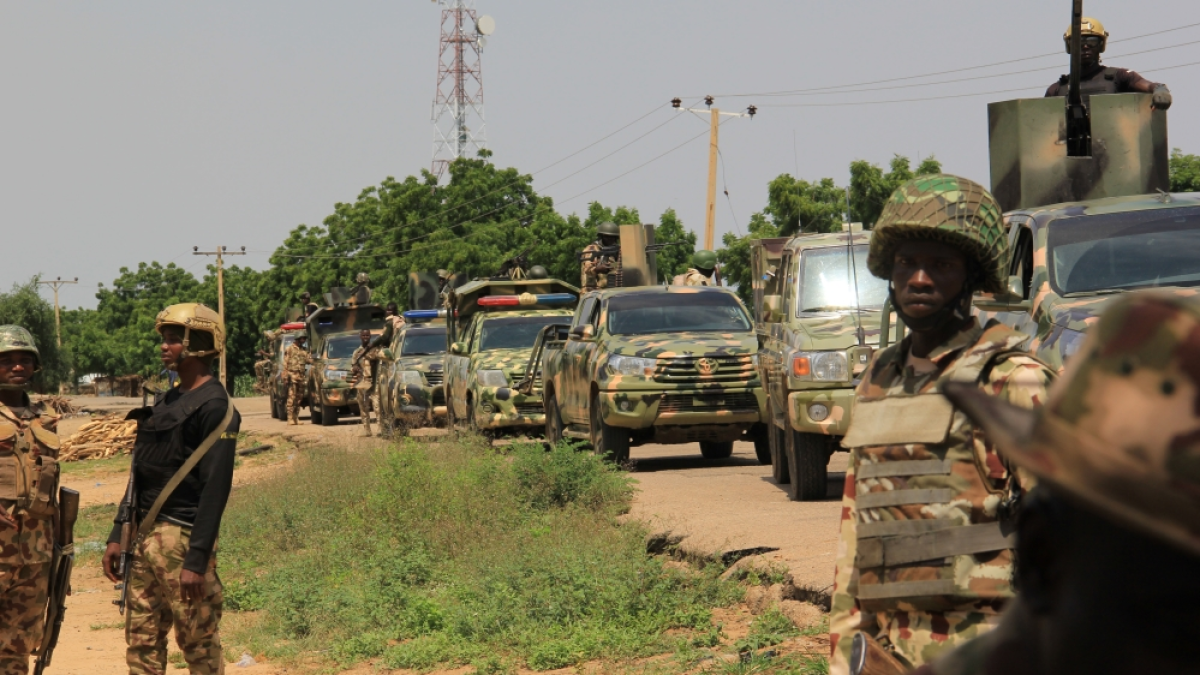
The killing of Abu-Bilal al-Minuki, the second-in-command of the Islamic State West Africa Province (ISWAP), by joint United States and Nigerian forces has been framed as a significant counterterrorism achievement. However, security analysts observe that the operation has highlighted the persistent and complex nature of insecurity in the Lake Chad Basin. Al-Minuki, a Nigerian national from Borno State, was operating from a compound near Lake Chad, a region that remains one of the most active theatres for armed groups. His presence in northeastern Nigeria underscores the conditions driving a renewed surge of violence by both ISWAP and its rival, Jama’at Ahl al-Sunna li al-Da’wa wa al-Jihad (JAS), commonly known as Boko Haram.
Security expert Nimi Princewill noted that while regional forces concentrated on countering ISWAP’s advanced drone capabilities, Boko Haram exploited the relative lack of attention to regroup. This strategic distraction has enabled both factions to rebuild their strength and conduct further attacks. In the weeks following al-Minuki’s death, intelligence reports recorded a surge in small-scale attacks and cross-border raids, indicating that operational fragmentation has not diminished the groups’ capacity to coordinate assaults or exploit gaps in border security.
The resurgence is further amplified by a permissive security environment in the wider Sahel. Kabir Amadu of Beacon Security and Intelligence Limited explained that the situation in Mali has created conditions that allow the movement of jihadi elements and weapons across porous borders, amplifying risks for Nigeria despite the lack of a shared border between the two nations. Efforts by Nigeria, Cameroon, Chad, and Niger to harmonise military operations are frequently hampered by logistical bottlenecks, differing command structures, and uneven resource allocation, allowing armed groups to exploit these administrative gaps.
Economic factors and a lucrative ‘economy of violence’ play a central role in sustaining these groups. Control over Lake Chad islands provides authority over taxation routes, smuggling corridors, and resource extraction. Boko Haram’s mix of ideological and criminal operations, including robbery and kidnapping, helps fund activities and attracts disaffected youth amid high poverty and unemployment. Research from the Institute for Security Studies (ISS) indicates that former ISWAP members, facing execution for desertion, are joining Boko Haram’s Ghazwah wing in Borno, which is notorious for robbery and ransom operations.
The humanitarian situation remains dire, with the UN Office for the Coordination of Humanitarian Affairs (OCHA) reporting that the region hosts 2.9 million internally displaced people, including 2.3 million in Nigeria. Violence has forced the closure of 1,827 schools across the basin, and humanitarian actors received only 19 percent of the funding required for 2025. Analysts warn that Nigeria’s 2027 general elections may lead to intensified operations and retaliatory violence as rival jihadist factions compete for relevance, legitimacy, and territorial influence.