Labour's local election collapse fuels calls for Starmer to set departure timetable
Senior ministers back Prime Minister Keir Starmer, but MPs argue he is politically damaged and should step down within months following historic defeats.
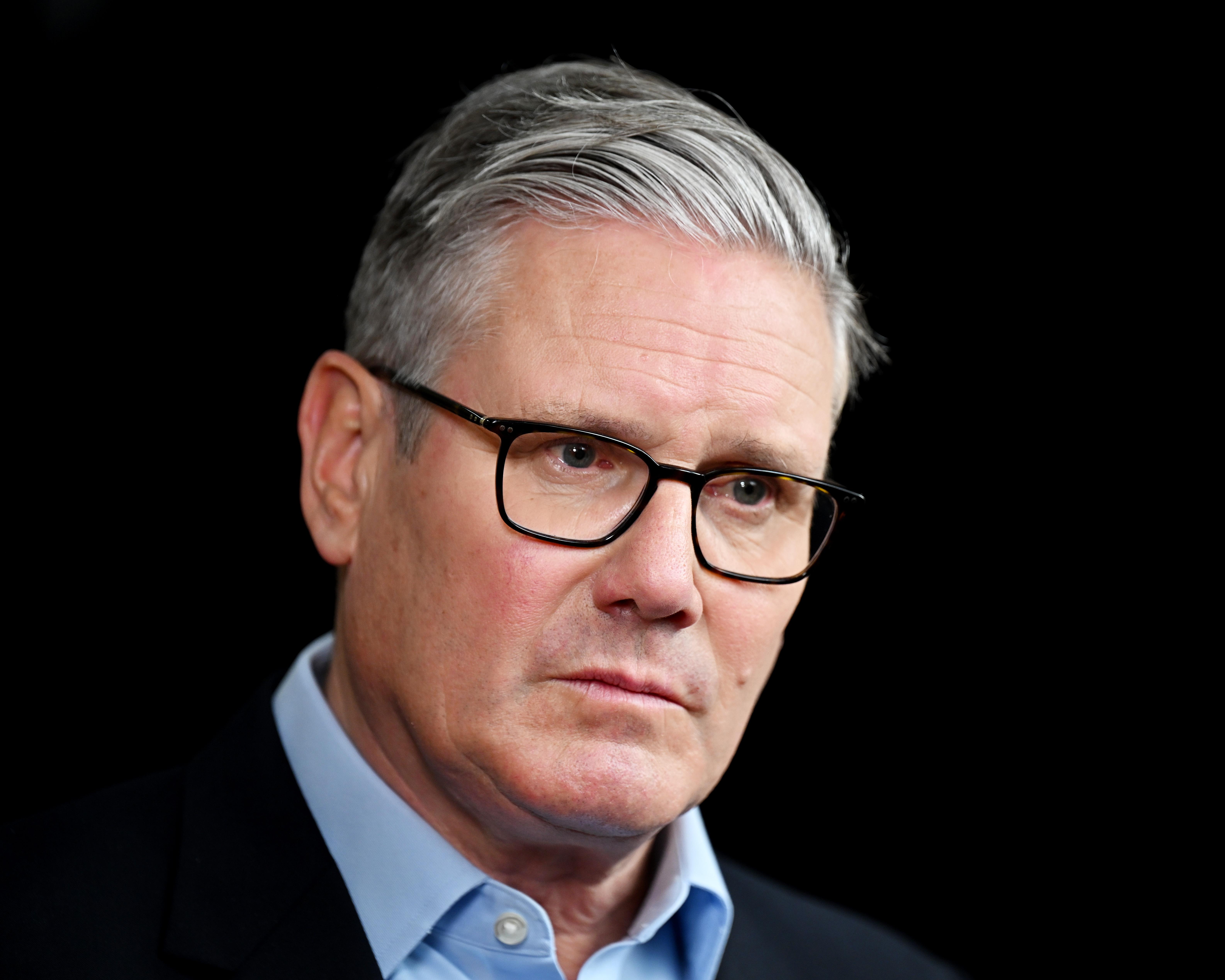
British Prime Minister Keir Starmer is facing mounting internal pressure to announce a specific timetable for his departure after his Labour party suffered significant electoral defeats. The party lost over 1,400 English council seats and was defeated in elections for the Welsh and Scottish parliaments, marking a sharp decline in local representation. While Starmer retains public backing from senior ministers, including Wes Streeting and Angela Rayner, a growing number of MPs argue he is too politically damaged to recover and should step down within months.
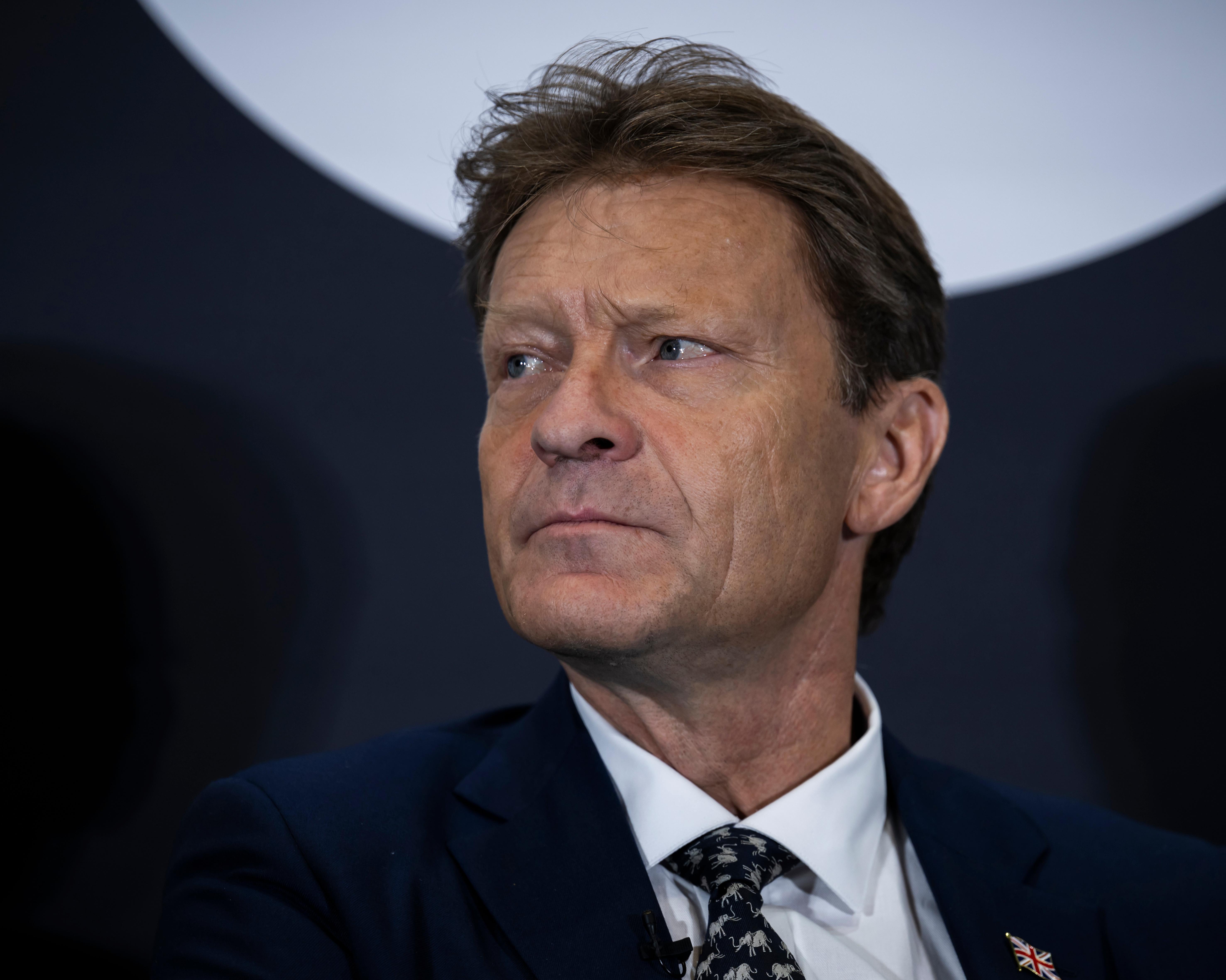
The recent results have shattered the traditional two-party system, with the party losing to a series of challengers including Reform UK, the Greens, and pro-independence nationalists. Reform UK took the most votes, while the Greens surged under their leader, Zack Polanski. This breakdown indicates a fundamental shift in the political landscape since Starmer assumed office in mid-2024, with the Conservatives also performing poorly under Kemi Badenoch and losing over 500 councillors.
Despite the heavy losses, Starmer has vowed to continue leading the party. In an opinion piece, he accepted the results were very tough but rejected the need to shift the party left or right, insisting on uniting a broad political movement. However, this stance has not stopped the calls for leadership change, with at least ten MPs arguing that his time in office is limited and that a clear plan for transition is required to secure a future victory.
A significant complication for any potential leadership contest is the status of Andy Burnham, who is viewed by many as the best potential replacement. Burnham is currently the mayor of Greater Manchester and is not in parliament. He cannot return to the House of Commons to contest a seat unless another MP stands down to allow him to fight a by-election, creating a structural hurdle for his immediate succession.
The debate over leadership also carries risks regarding voter sentiment. There is a consensus among allies that while Starmer has handled international issues adeptly, his government has made too many missteps and U-turns. Conversely, others argue that changing the prime minister mid-government could annoy voters, citing the Conservative party's experience between 2016 and 2022 where four leadership changes led to electoral punishment.
With the bulk of results now counted, the focus remains on whether Starmer will agree to a departure schedule or if the party will attempt to consolidate under his current leadership. The consensus among senior figures suggests that without a clear plan for leadership transition, the party may be unable to effectively challenge the new political forces that have emerged in the recent elections.