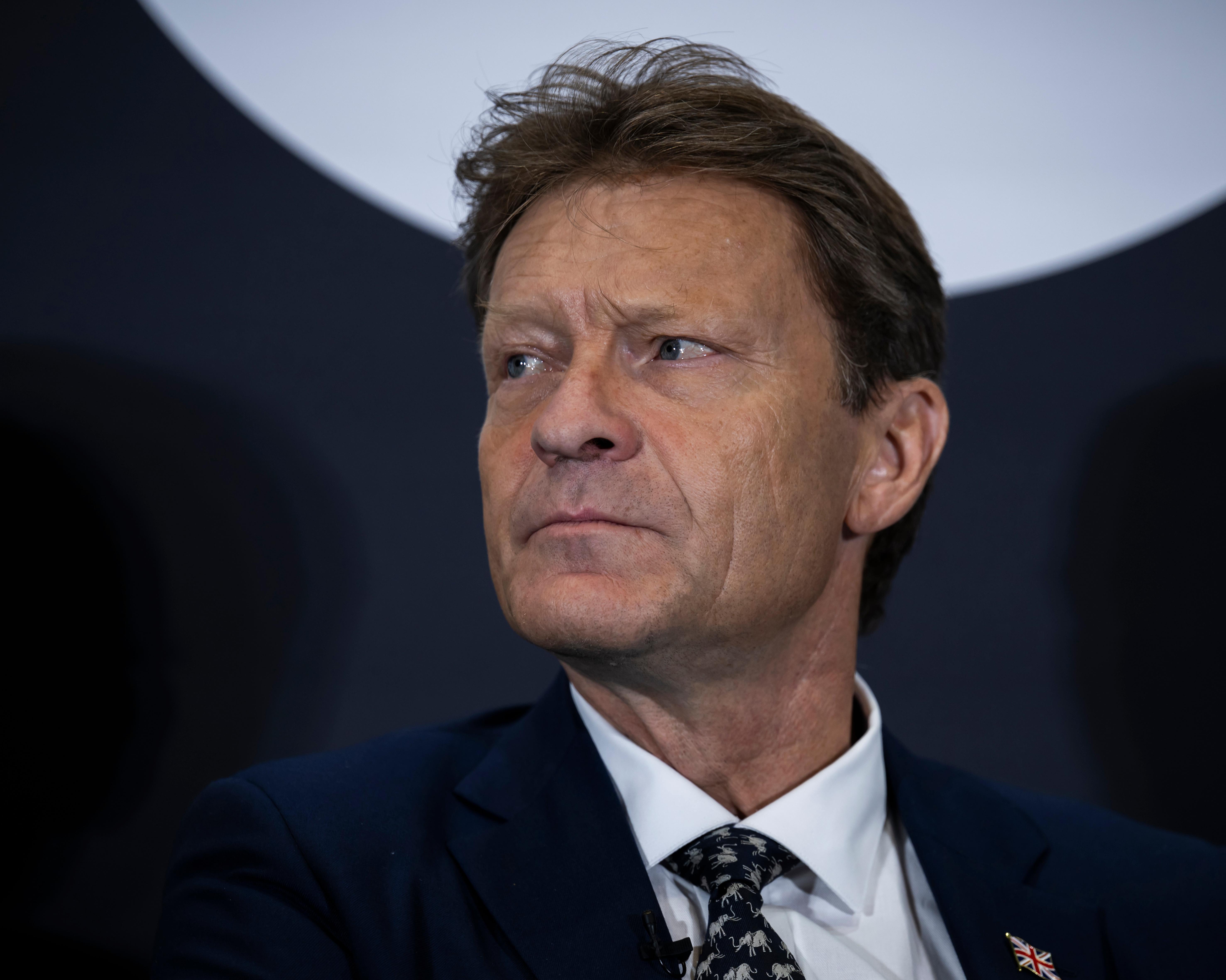
Labour MP Catherine West shifts strategy to force Starmer's departure by September
The move reduces immediate pressure on the Prime Minister while demanding a timetable for his exit following poor election results.
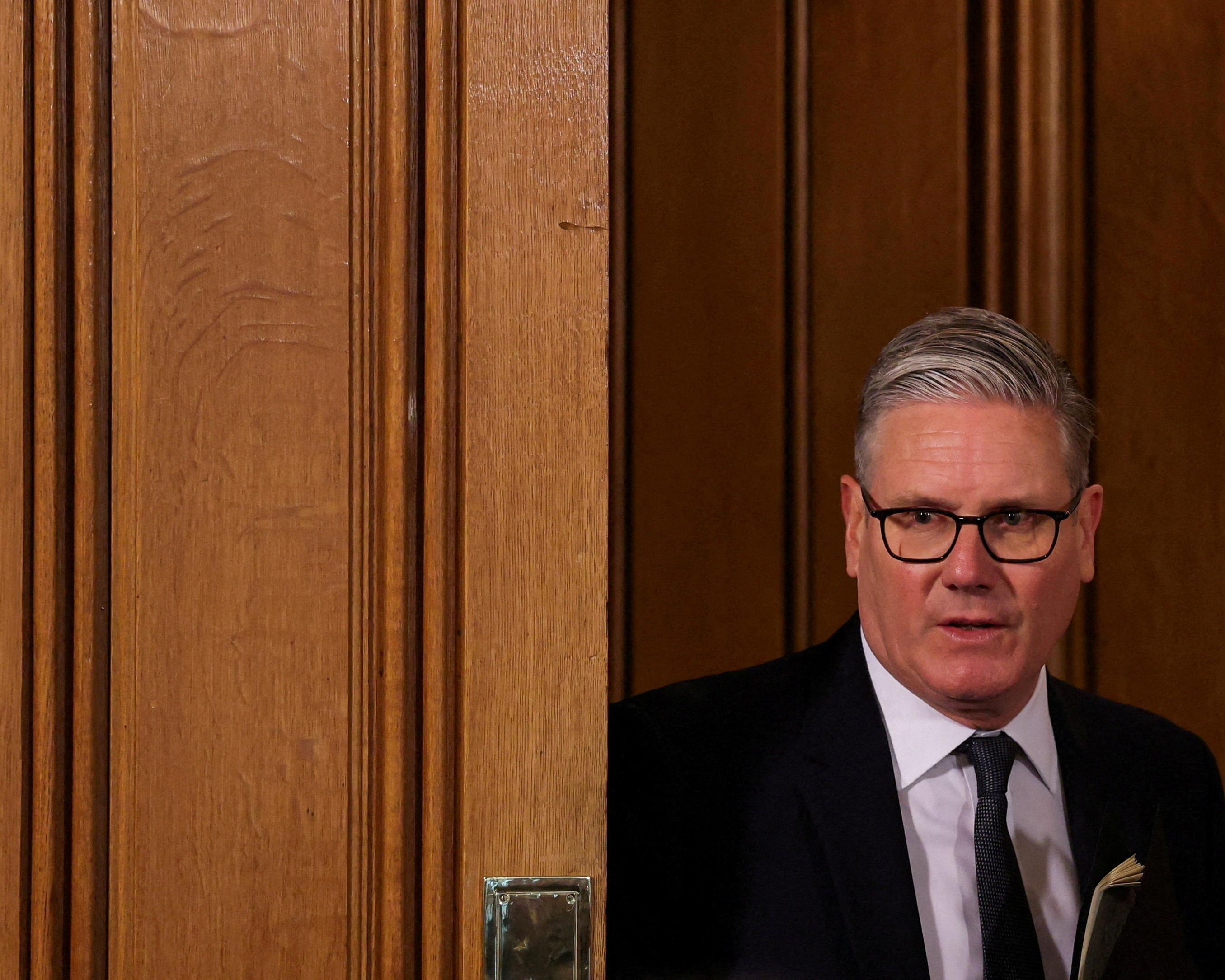
Labour MP Catherine West has withdrawn her intention to formally stand for the leadership of the party, replacing a direct bid with a procedural mechanism designed to compel Prime Minister Keir Starmer to set a timetable for his departure by September. In a statement released following the Prime Minister's address on Monday, West described the speech as "too little, too late" amidst significant electoral defeats for Labour in local, Scottish, and Welsh contests.
While West explicitly stated she does not wish to take over the role herself, she announced she is collecting the 81 MP signatures required to trigger a formal leadership contest under current party rules. This action functions as a de facto no-confidence vote, effectively removing the option of Starmer remaining in office until the next general election. The strategy aims to force an orderly transition rather than allowing the Prime Minister to continue his tenure indefinitely.
West's notice to No 10 demands that a new leadership election be concluded by September. This specific timeline creates a distinct political environment compared to an immediate challenge, as it allows potential rivals time to prepare their campaigns. The prospect of a longer timetable may also permit figures such as Andy Burnham, the Mayor of Greater Manchester, to potentially return to parliament and join the contest, although his eligibility remains subject to approval by the National Executive Committee.
Despite the procedural pressure, Prime Minister Keir Starmer has confirmed he will not resign, citing the necessity of preventing political instability. He has pledged to fight on despite the poor performance in recent elections, framing his decision to remain as a critical measure to maintain government stability. West acknowledged the renewed energy in his speech but maintained that the results demonstrated a failure to inspire hope among the electorate.
The shift in West's approach is expected to alter the dynamics of the upcoming leadership race, reducing the immediate urgency while keeping the possibility of a contest alive. Rivals such as Health Secretary Wes Streeting and former deputy Angela Rayner are anticipated to launch bids soon, with West's move serving as a catalyst for the broader challenge within the parliamentary party.
By gathering names to force a vote rather than standing herself, West has adopted a position that focuses on the governance and future direction of the party rather than personal ambition. This strategic pivot highlights the intense scrutiny facing the Prime Minister's tenure following the recent electoral setbacks and the growing demand for a change in leadership.