Labour leadership contest moves forward as Education Secretary opposes ousting of Prime Minister
Following significant losses in local elections, internal dissent grows among Labour MPs while Prime Minister Keir Starmer seeks to refresh his cabinet with senior advisers
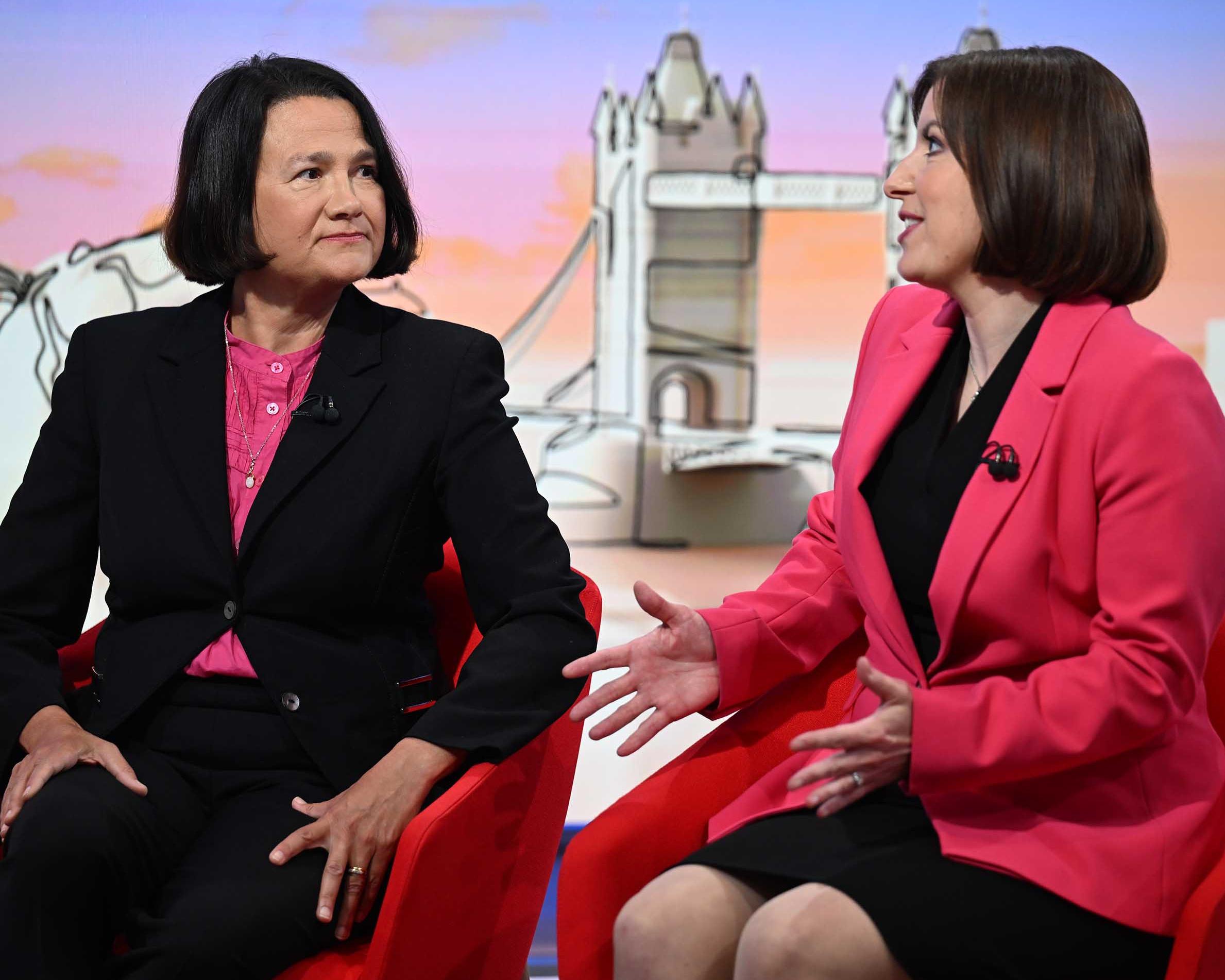
Education Secretary Bridget Phillipson has publicly stated that a leadership challenge to Prime Minister Keir Starmer would be the wrong response, even as the party faces a "real kicking" from voters in recent local elections. Phillipson argued that while constituents feel bitterly let down by a lack of delivery on the change promised in 2024, they do not want the party to spend more time talking amongst themselves. She acknowledged that Labour had been too gloomy and made a mistake in attempting to withdraw the winter fuel allowance following the defeat, which saw the party lose control of about 40 councils and 1,500 seats.
Despite the government's stance, backbencher Catherine West has begun collecting the 80 necessary names to trigger a formal leadership contest, a process expected to start on Monday. West, a former minister, is not widely considered a viable candidate herself, but her action is designed to open the door for other contenders such as Wes Streeting, Angela Rayner, and Ed Miliband. The move comes as approximately 40 Labour MPs have indicated they believe Starmer should quit, with some calling for an immediate resignation while others adopt a wait-and-see approach.
The potential for a leadership contest introduces a significant structural constraint regarding Andy Burnham, the Mayor of Greater Manchester. A formal challenge would rule out Burnham from returning to parliament as he is not a Member of Parliament, effectively ending his prospects of becoming leader contingent on a commitment from Starmer to stand down in the medium term. This dynamic has historically driven divisions within the party, with the soft left often favouring Burnham as a future leader.
In an attempt to stabilise the government and address internal friction, Prime Minister Keir Starmer has stated his desire to serve for 10 years. To refresh the administration, he has appointed Gordon Brown as an adviser on finance and Harriet Harman as an adviser on women and girls. These appointments follow reports that senior figures across factions should come together to decide the best way forward to avoid leadership chaos, a sentiment echoed by former Cabinet Office minister Josh Simons, who recently added his support for an orderly transition.
The pressure on the government extends beyond parliamentary ranks to the trade union sector. Sharon Graham, leader of the Unite trade union and a major donor to Labour, has warned that the party has no right to exist and could become extinct unless it changes course to better serve working-class voters. Graham emphasised the need for more concrete policies to help those voters who had deserted the party, aligning with the broader frustration expressed by constituents regarding the failure to deliver on previous election promises.
While Phillipson insists that the message from these elections must be to tell a better story and deliver faster rather than fighting amongst themselves, the momentum for a leadership ballot appears to be building. The combination of significant local election losses, the gathering of signatures by West, and the vocal dissent from a group of MPs suggests that the institution of the Labour party is currently navigating a critical juncture between maintaining stability and addressing deep-seated dissatisfaction.