Labour leadership contenders challenge Starmer’s EU red lines with rejoining calls
Prime Minister Keir Starmer maintains strict boundaries on single market and freedom of movement, while leadership rivals argue for a fundamental rethink of the UK’s relationship with the bloc.
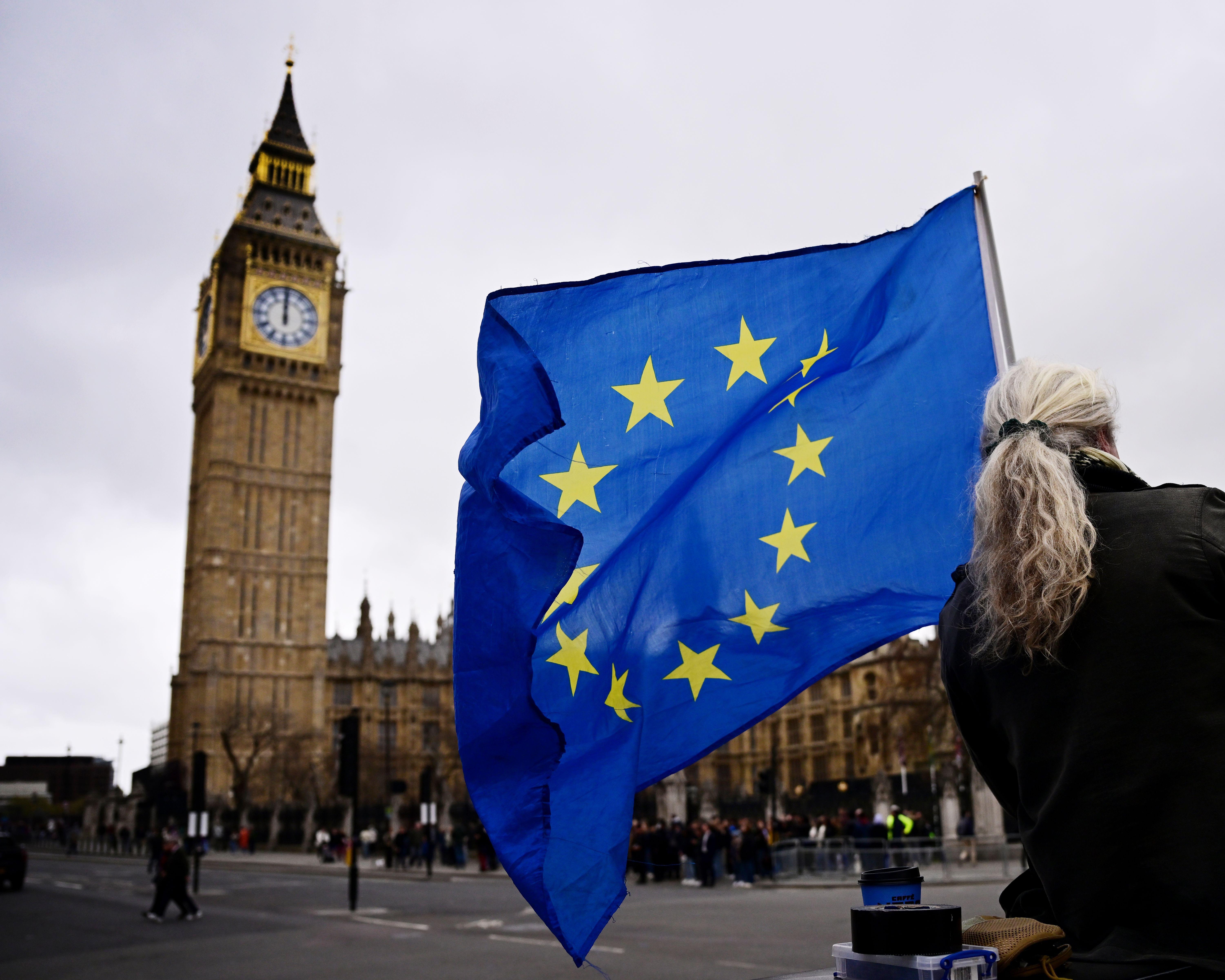
Labour leadership contenders Wes Streeting and Andy Burnham have publicly advocated for the United Kingdom to rejoin the European Union, marking a significant departure from Prime Minister Keir Starmer’s current policy of incremental engagement. Streeting, who resigned as health secretary last week to contest the leadership, described Brexit as a “catastrophic mistake” and explicitly called for membership. Burnham, the Mayor of Greater Manchester, argued there is a “long-term case” for rejoining, though he clarified he is not advocating for immediate action.
These comments challenge the government’s established strategy, which focuses on an economic reset while maintaining strict “red lines” against returning to the single market, customs union, or freedom of movement. Starmer has previously stated that a wide-ranging agreement signed at a summit in London provides “unprecedented access” to the EU market, yet concrete progress remains limited. Negotiations over youth mobility, electricity market integration, and the SAFE defence procurement fund have stalled or failed, with the government hoping to seal deals on food, agriculture, and carbon emissions trading by the next summit this summer.
Despite the government’s cautious approach, public sentiment has shifted markedly. A YouGov poll conducted last month indicated that 63% of Britons want a closer relationship with the EU, and 55% support rejoining. Support for a UK return is at or above 50% in Germany, France, Spain, and Italy. However, EU officials have made it clear that any future bid would require accepting EU rules without previous opt-outs or rebates. Polish Foreign Minister Radosław Sikorski stated that the UK would not receive special concessions and that the EU may insist on joining the euro.
The political cost of further integration remains high within the UK. Planned legislation to dynamically align with EU single market rules has been condemned by Reform UK and the Conservatives as “undoing Brexit by the back door.” Most economists agree that the sectorial mini-deals the UK has sought are unlikely to recover the estimated 6% to 8% hit to economic output caused by Brexit. Starmer has acknowledged that incremental change is insufficient, stating that a “bigger response” is needed, but noted that no such response is possible without easing the government’s red lines.
The geopolitical landscape has also evolved since the 2016 referendum, with the UK-US relationship shaken and Russia’s war in Ukraine altering security dynamics. Analysts suggest that both the UK and the EU would benefit from a fundamental rethink of their relationship to enhance security and prosperity. While European leaders may demand penalty clauses to prevent a future government from undoing any deal, the current geostrategic realities mean any UK bid to rejoin would be seriously entertained.