Labour figures reject Blair’s strategy essay as out of touch with economic reality
Senior party members criticise Tony Blair’s critique of the Starmer government, citing a failure to address unaffordability, rising taxes, and the impacts of austerity.
Senior figures within the Labour Party have publicly dismissed an essay by former prime minister Tony Blair, arguing that his proposed strategy for the party fails to engage with the core economic challenges facing the United Kingdom. The criticism, led by Greater Manchester mayor Andy Burnham and Department for Work and Pensions minister Torsten Bell, centres on Blair’s omission of inequality and his perceived disconnect from the realities of austerity.
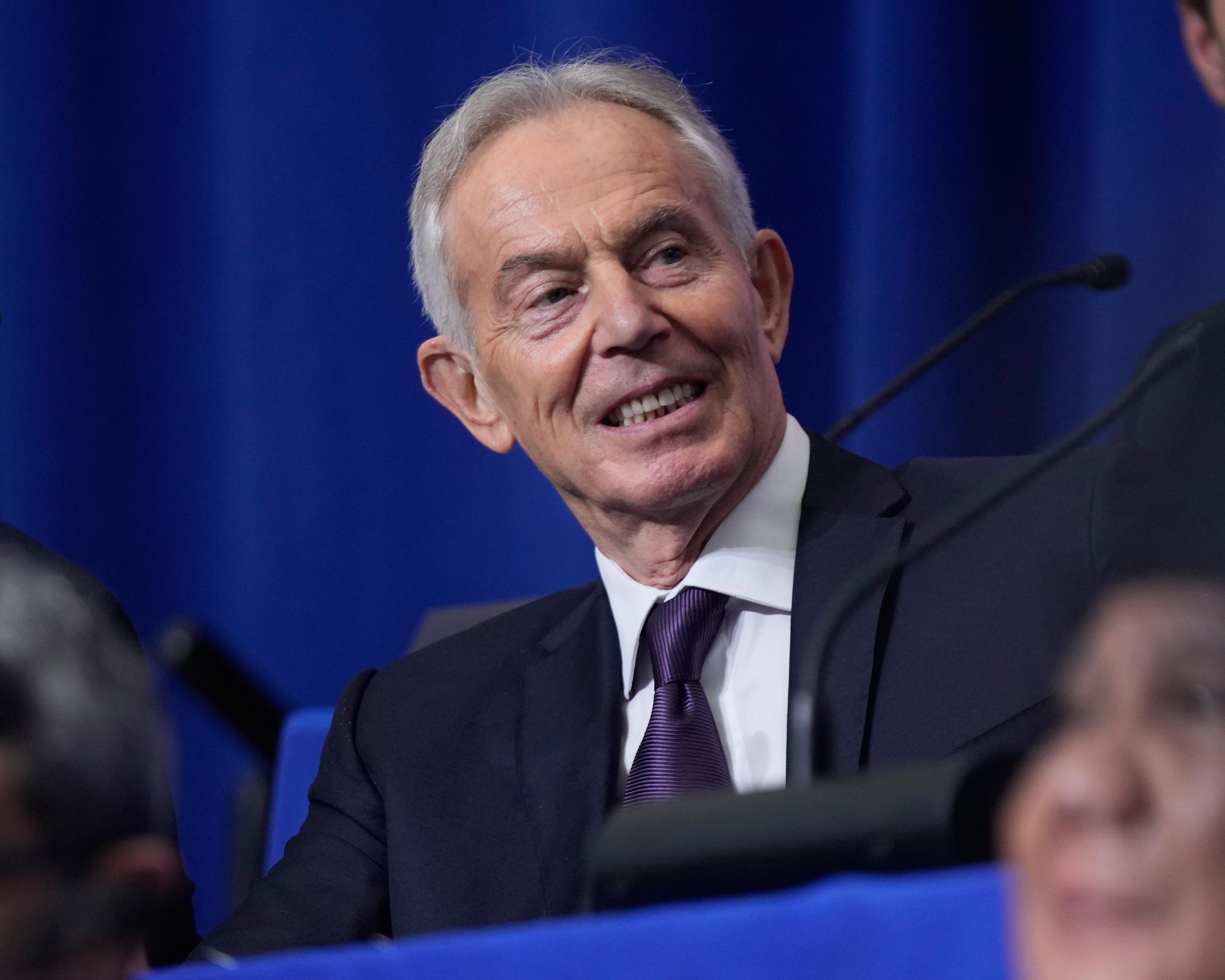
Blair’s essay, published on 27 May 2026, offers a sharp critique of the Keir Starmer government’s tenure. In the piece, the former prime minister calls for a crackdown on welfare spending, advocates for deregulation in the oil and gas sector, and urges the government to improve diplomatic relations with Donald Trump. He also warned the party against rushing into a leadership contest without first establishing a substantive policy debate.
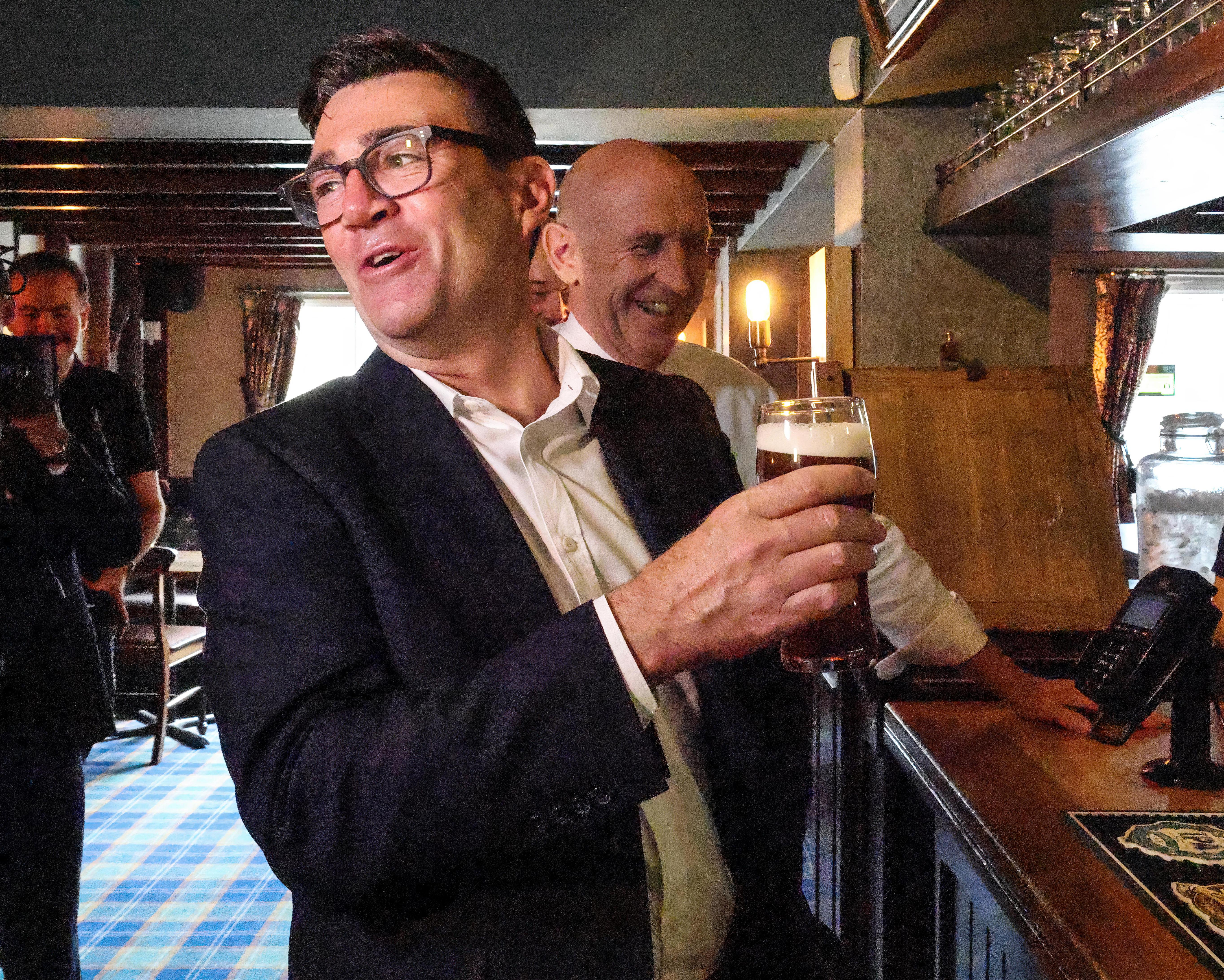
Burnham, who is widely expected to launch a leadership challenge if he wins next month’s Makerfield byelection, stated that Blair’s analysis ignored the fundamental issue of unaffordability for many citizens. Speaking to the Observer, Burnham noted that the essay did not mention the word “inequality” once. He argued that failing to root political analysis in the fact that basic living costs have become unaffordable means the former PM is not understanding what is driving current politics.
Torsten Bell, a key author of Labour’s last budget, acknowledged Blair’s critique of “shallow personality politics” but argued that the essay lacks a viable policy project for the current era. Bell dismissed the suggestion that artificial intelligence alone constitutes a solution, stating that naming a technology is not the same as having a plan for Britain. He described the essay as painting in broad brushstrokes with far too little engagement with the country it seeks to describe.
Bell further challenged Blair’s economic assessments, linking rising taxes to higher debt interest costs and the “extremes of austerity for public services.” He argued it was “a long way from the truth” to blame high welfare spend entirely for economic issues. Additionally, Bell criticised Blair’s suggestion to raise value-added tax instead of employers’ national insurance as a recipe for higher interest rates and inflation, while also highlighting a “deep inconsistency” in Blair’s approach to the United States and global conflicts.
Burnham confirmed he would set out a “considered response” to Blair’s essay on Thursday, signalling that the internal debate over the party’s direction is likely to intensify. The rejection of Blair’s advice underscores a growing rift between the former prime minister’s strategic vision and the current leadership’s focus on economic stability and social equity.