Labour deputy demands social media crackdown as Reform UK faces misinformation allegations
The deputy leader argues that tighter regulation is needed to combat disinformation, while the government reviews crisis response protocols and the Representation of the People Bill.
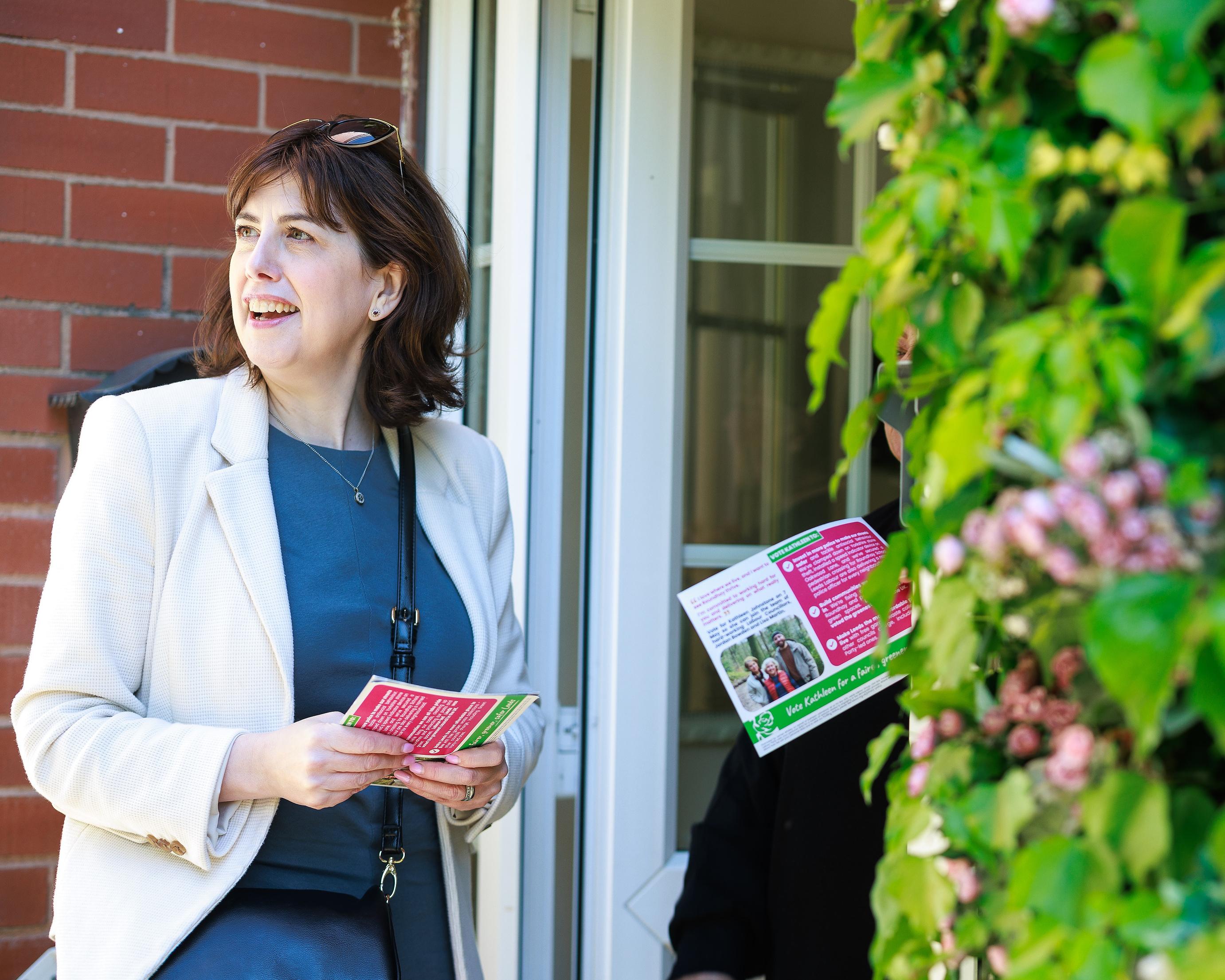
Lucy Powell, Labour’s deputy leader, has called for stricter laws governing social media platforms, alleging that Reform UK has exploited bots and troll farms to amplify divisive content across the UK. In a series of publications and interviews, Powell argued that the party’s reliance on online algorithms and multimillion-pound donations poses a significant threat to British democracy, describing the current digital landscape as open to wealthy individuals and bad state actors.
Powell’s intervention coincides with parliamentary scrutiny of the Representation of the People Bill, which aims to introduce voting at 16 and cap overseas donations. However, she contends that these measures do not go far enough to address the spread of disinformation. She urged the government to strengthen the legislation to tackle what she described as a scourge ripping communities apart, highlighting the role of social media in undermining public trust and electoral integrity.
A spokesperson for Reform UK rejected the allegations as completely untrue, labelling Powell a conspiracy theorist attempting to distract from Labour’s governance record. The party dismissed the claims that its messages were spread by bots, arguing instead that Labour should focus on fixing domestic issues rather than demanding further state censorship or smearing voters.
The comments come as Technology Secretary Liz Kendall indicated that the government is considering additional measures to halt misinformation during public crises, such as riots or unrest. Kendall pointed to a recent report from the science, innovation and technology committee, which recommended that Ofcom implement crisis response protocols to hold platforms accountable. The media regulator has already consulted on these measures, with further details expected to be announced this month.
Powell also highlighted an ongoing investigation by the standards commissioner into an undeclared £5m gift to Nigel Farage from a Thailand-based billionaire. While Farage has described the funds as a reward for Brexit campaigning or security costs, Powell argued that such donations, alongside the use of cryptocurrencies, demonstrate the outsize influence of wealthy donors on political funding and online campaigns.
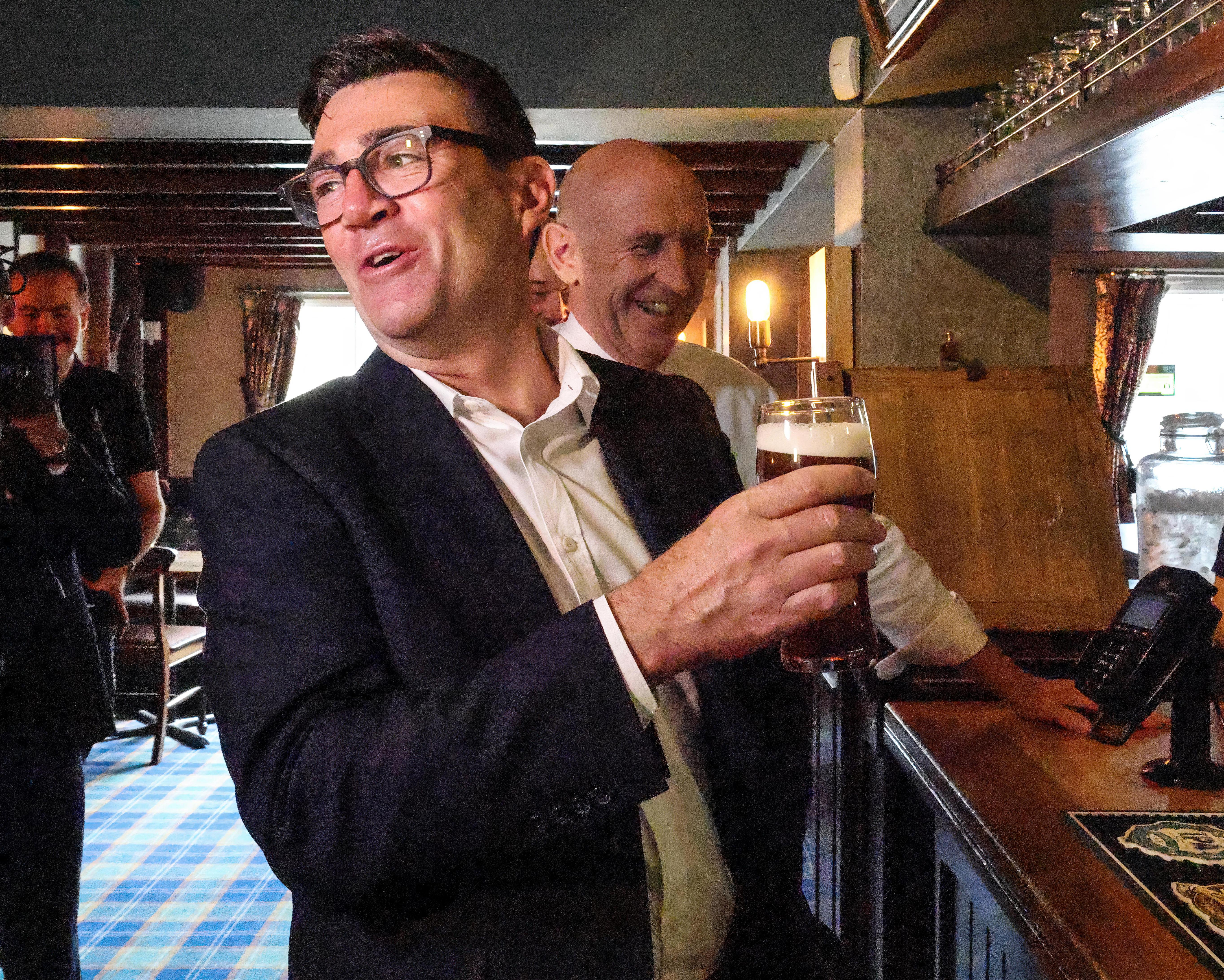
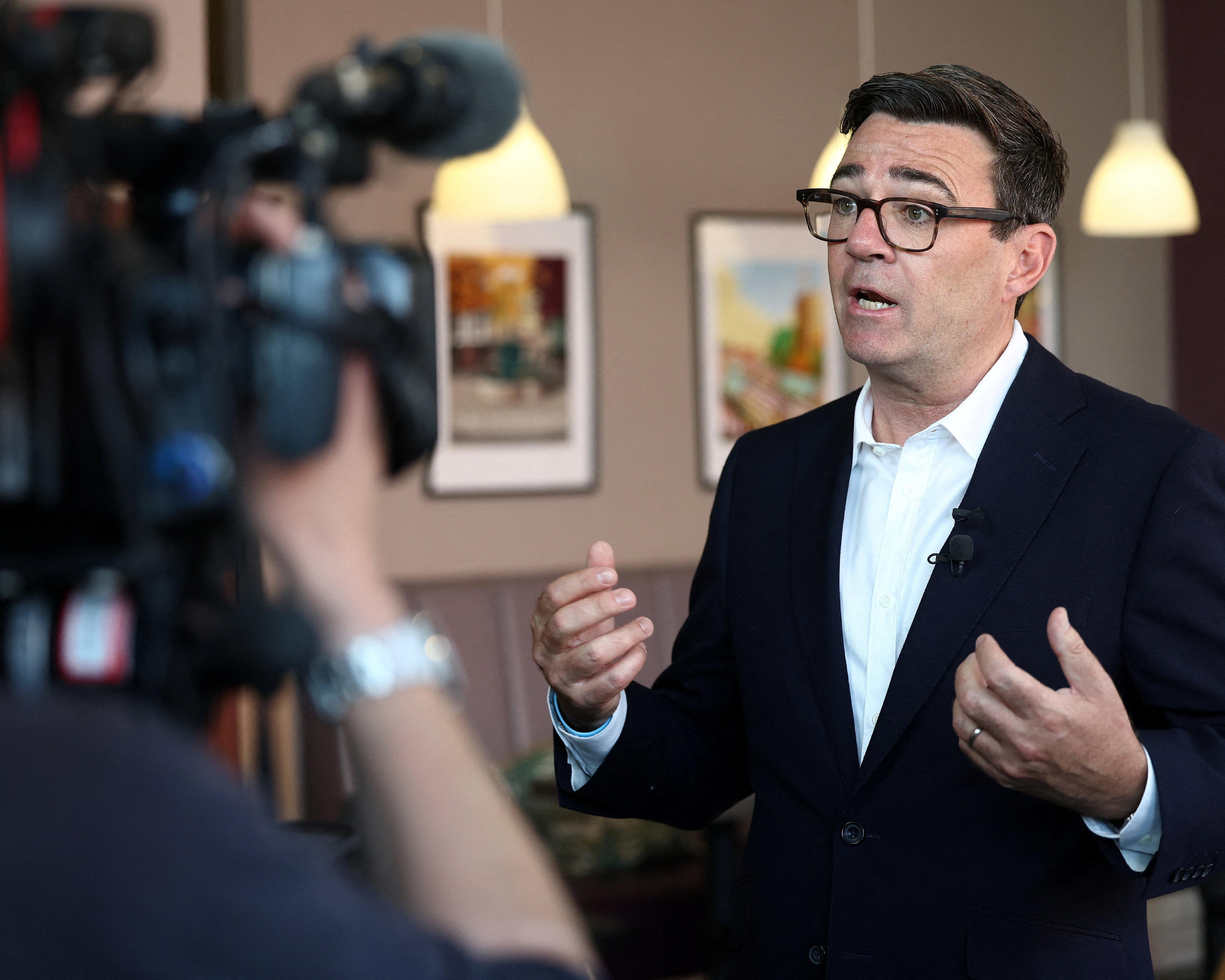
Civil society groups have expressed hope that Greater Manchester mayor Andy Burnham, who is set to challenge Keir Starmer for the Labour leadership, may support stricter caps on political donations and tighter regulation of online misinformation. While Burnham’s spokesperson declined to comment on the specific policy proposals, campaigners argue that the current system allows billionaires to dominate political funding and exacerbate the spread of viral falsehoods.
Powell warned that the lack of regulation on social media algorithms creates dangerous echo chambers, particularly affecting younger demographics. She noted that false information often bypasses mainstream media, spreading rapidly on social platforms and appearing frequently in voter interactions on doorsteps, thereby eroding the integrity of the electoral system.