Labour Cabinet Relations Fractured by Defence Spending Dispute
The government is finalising the Defence Investment Plan, which requires a 1% cut to other departments' capital budgets to fund an additional £15bn for defence, following a protracted row over cost overruns.
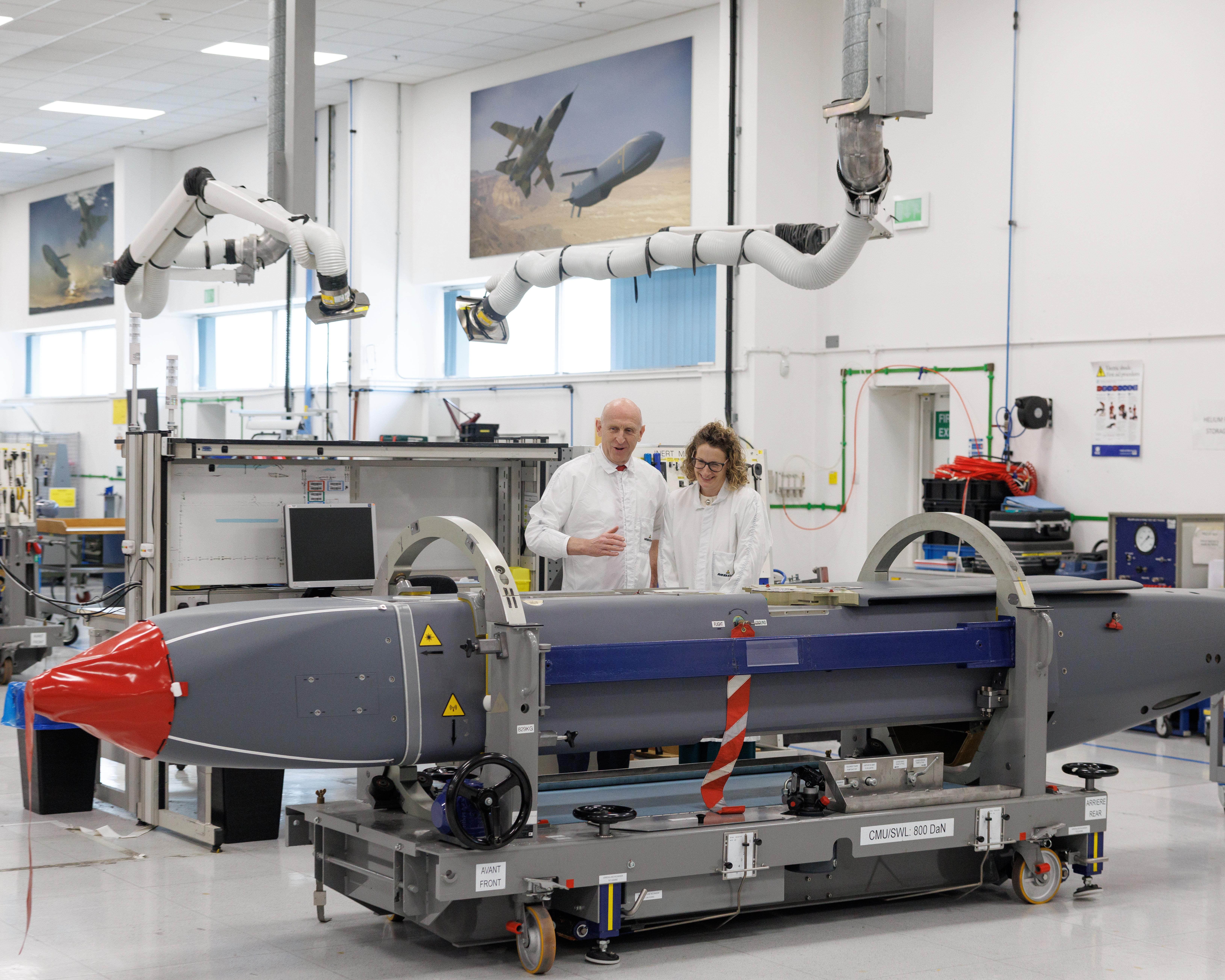
Cabinet relations within the UK Labour government have been severely strained by a prolonged dispute over the Defence Investment Plan (DIP), with Whitehall sources describing the internal conflict as some of the worst seen since the party assumed office. The standoff between the Ministry of Defence, the Treasury, and Number 10 has delayed the publication of the plan, which aims to increase defence spending to 2.5 per cent of gross domestic product. Ministers are now putting the final touches on the agreement, which is expected to be signed off in the coming weeks ahead of a NATO summit early next month.
The dispute centres on significant cost overruns that emerged after the strategic defence review was published in June. Although the Ministry of Defence initially claimed its plans were fully costed, officials later requested an additional £28bn over four years to meet commitments. This request far exceeded the Treasury’s initial offer and forced Prime Minister Keir Starmer to intervene. Starmer pressured Chancellor Rachel Reeves to approve approximately £15bn in extra funding, a figure that sits between the Defence Secretary John Healey’s request for £18bn and Reeves’ initial refusal to exceed £12bn.
To finance the additional defence spending, the government has agreed to cut the capital budgets of other departments by approximately 1 per cent. The energy and transport sectors have agreed to larger reductions due to their relatively high capital budgets. However, Transport Secretary Heidi Alexander successfully lobbied against savings that would have impacted spending on new buses, trains, and potentially the HS2 project. In return for agreeing to the funding, the Treasury will take control of a multibillion-pound fighter jet programme.
Insiders report that the months-long row has led to senior government members trading accusations. One Whitehall official described the process as a mess, noting that the Ministry of Defence’s delayed request for billions infuriated colleagues after initially promising no extra cash was needed. Another source expressed frustration that the Ministry of Defence has a poor record in cost management, making it galling to be asked for more money just months after a review confirmed nearly £20bn in extra funding over five years.
Defence Secretary Healey’s allies attribute the cost overruns to escalating global conflicts, including demands related to Ukraine and a possible mission in the Strait of Hormuz. Starmer views the DIP as a key part of his political legacy, particularly in the context of potential leadership succession involving Greater Manchester mayor Andy Burnham. A spokesperson for the prime minister stated that Starmer is determined to deliver the best equipment and technology to frontline forces while investing in and growing the UK economy.