Kodiak AI Secures $100 Million at Significant Discount Amidst Stock Decline and Operational Scaling
Despite the influx of funds led by Ares Management, Kodiak reports doubled quarterly losses and faces a critical path to full autonomy before driverless operations can commence on public highways.
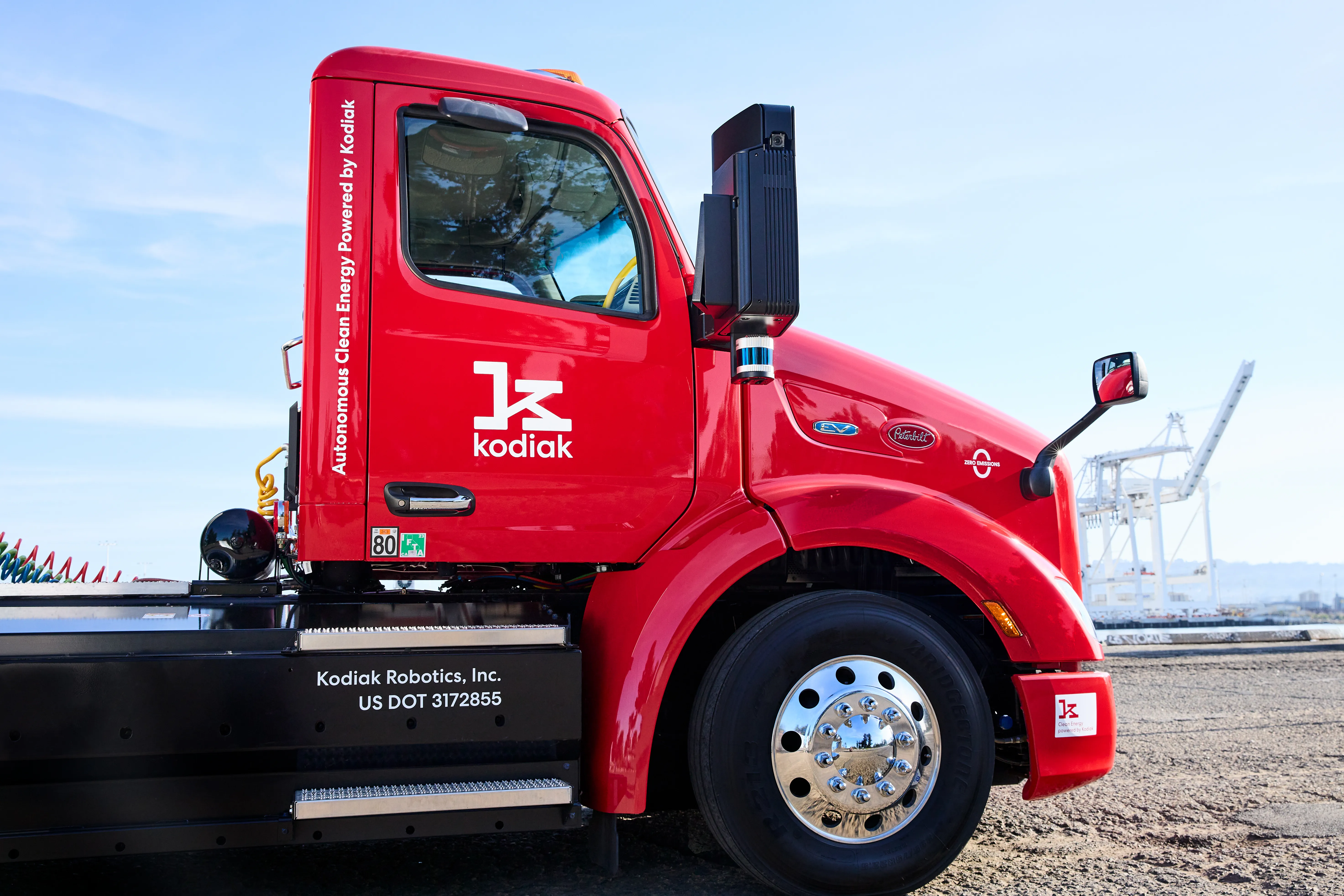
Kodiak AI, the self-driving truck startup, has secured $100 million in new financing through a private placement that has sent its share price tumbling. The company sold shares at $6.50 each, a steep discount compared to the closing price of $9.10 prior to the announcement. This financing structure, led by existing backer Ares Management and several unnamed institutional investors, also included warrants allowing investors to purchase additional shares at prices as low as $6.
The aggressive discount terms, which signal investor willingness to back the company but not at its current market valuation, triggered a 37% drop in the stock during after-hours trading. While the capital influx provides necessary liquidity, it arrives as the company grapples with a reported quarterly loss from operations of $37.8 million. This figure represents a doubling of the loss recorded in the same period last year, highlighting the intense cash burn challenge Kodiak faces as it scales operations for both off-road industrial settings and public highway autonomous trucking.
Despite the financial headwinds, the company has advanced its commercial footprint with a new contract with Roehl Transport. Under this agreement, Kodiak-equipped trucks will autonomously haul freight between Dallas and Houston on four round trips per week. While the trucks operate autonomously for the entirety of the trip, a human safety operator remains behind the wheel as a precaution. Additionally, Kodiak is running a pilot program testing its technology at West Fraser Timber Co.'s log-hauling operations in Alberta, Canada, and has entered a collaboration with General Dynamics Land Systems to create autonomous ground vehicles for defence applications.
CEO Don Burnette confirmed that the company remains on track to launch driverless trucking on public highways later this year. However, the current business model involves Kodiak owning the trucks and providing safety drivers, a setup that will evolve once full autonomy is achieved. The future strategy shifts to a driver-as-a-service model where customers own and operate the trucks, mirroring the system currently used with off-highway customer Atlas in the Permian Basin of Texas.
Progress toward this end-goal is being tracked via an autonomy readiness measure, a zero-to-100 score released by the company to gauge internal safety validation. As of April, the score stood at 86%. Burnette emphasised that while the technology is currently operating under the conditions expected for a driverless launch, full operations on public highways will not commence until this validation is complete. The company, which went public in September via a merger with Ares Acquisition Corporation II at a valuation of approximately $2.5 billion, continues to navigate the complex transition from a safety-driver-assisted model to fully autonomous freight hauling.
