Kiwibit Launches AI-Enabled Bird Feeder to Track Wildlife Activity
The Bird Feeder Pro 4K AI Camera uses solar power and machine learning to identify over 10,000 species, though early testing highlights limitations in visit counting accuracy.
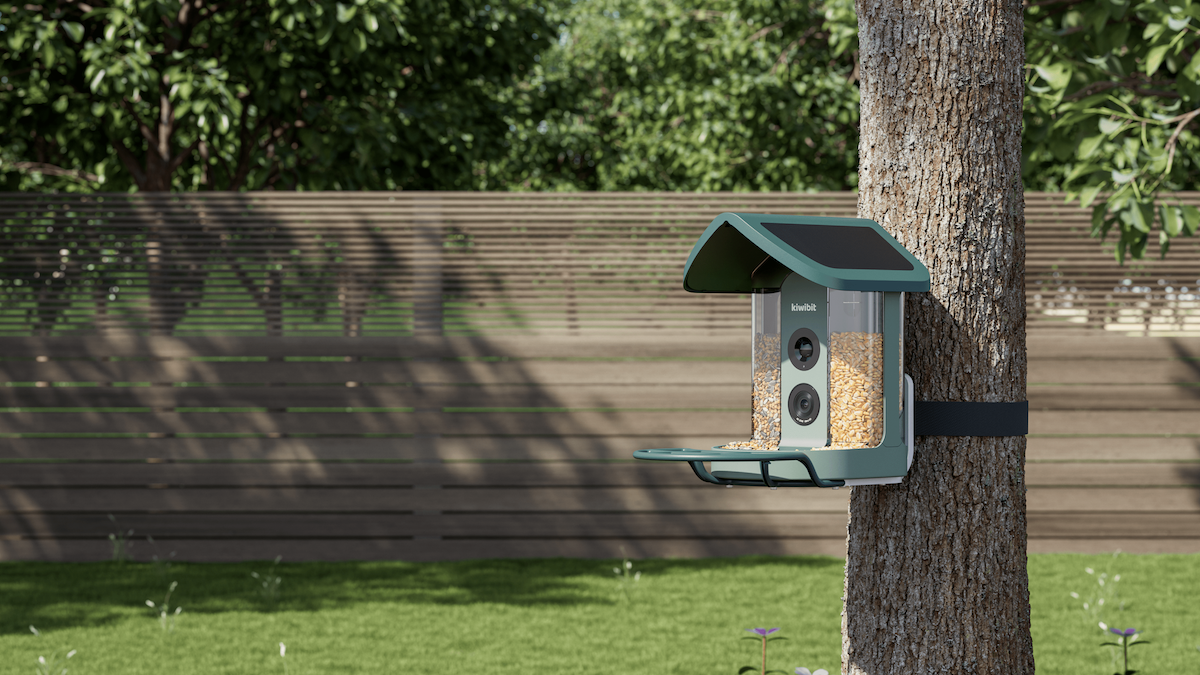
Kiwibit has released the Bird Feeder Pro 4K AI Camera, a smart wildlife monitoring device designed to connect users with backyard nature through artificial intelligence. The unit features a solar panel, dual seed compartments, and a 130-degree wide-angle lens, connecting to a companion app via 2.4GHz Wi-Fi. The system utilises a proprietary algorithm to identify over 10,000 bird species and track visitation data.
Early testing by TechCrunch suggests the device functions as a "backyard buddy," successfully recording multiple species, though the AI has shown tendencies to overcount visits when birds remain stationary. The app includes an "Activity tab" for visit tracking and a "Birds tab" providing Wikipedia-sourced descriptions, positioning the technology as a gamified engagement tool similar to creature-collecting applications.
The hardware supports multiple mounting options, including poles, window ledges, and trees. Key specifications include cloud storage, two-way audio capabilities, and a design intended for durability in varying weather conditions. The solar panel ensures continuous operation without reliance on traditional batteries, while the wide-angle lens captures broad field-of-view recordings.
During initial testing, the device successfully recorded visits from six different species, including a Northern Cardinal. The companion app triggers notifications for wildlife activity and identifies "nuisance animals," such as squirrels, when they raid the seed stash. Users can navigate a calendar within the app to view specific days' activity and access detailed species information.
However, the accuracy of the AI's visit counting has been questioned. Reports indicate the system may overcount visits if a bird remains stationary for extended periods, registering a single bird as multiple entries. The long-term durability and performance of the solar panel and camera components in varying weather conditions remain to be fully established beyond initial testing.
Claims regarding the identification of "over 10,000 bird species" should be treated as a manufacturer specification, with real-world accuracy potentially varying depending on lighting, angle, and bird behaviour. The source is a product review from TechCrunch, which may reflect individual user experience rather than universal performance.
The technology is positioned as a way to engage with wildlife in a manner similar to collecting creatures in applications like Pokémon. While the reviewer noted an enthusiastic response to the notifications and recordings, such subjective enthusiasm should not be presented as objective fact regarding the device's overall utility or reliability.