Keio University confirms long-term safety of iPS cell spinal cord therapy
A study led by Keio University has verified that patients who showed early improvement from the world’s first induced pluripotent stem (iPS) cell treatment for spinal cord injuries have maintained their condition without deterioration over the long term.
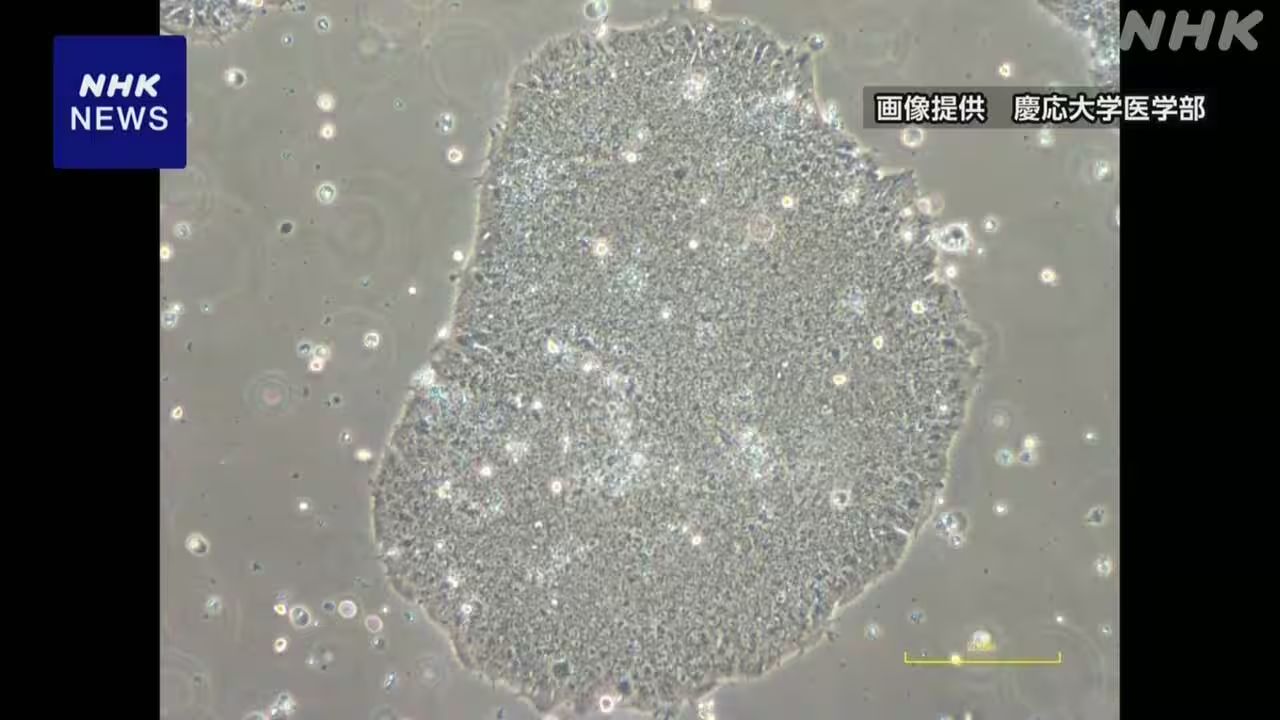
A research group led by Keio University has confirmed the long-term safety of iPS cell therapy for spinal cord injuries, reporting that patients who previously demonstrated symptom improvement experienced no deterioration in motor function and suffered no serious side effects. The findings, reported by NHK News Japan on 21 July 2026, provide critical data on the stability of outcomes for the world’s first iPS cell-based treatment of this condition.
The study focused specifically on the subset of patients who had initially shown improvement following the treatment. Long-term monitoring of these individuals revealed that their motor functions remained stable over an extended period. The research group verified that there were no severe adverse reactions or serious side effects observed during this follow-up phase, reinforcing the safety profile of the intervention for this specific cohort.
This development follows a period of significant activity in the regulatory landscape for iPS cell therapies. Reports from March 2026 indicated that conditional approval had been granted for certain iPS cell medical treatments, marking a shift from experimental research towards structured clinical application. The current safety confirmation adds to the evidentiary base required for broader policy decisions regarding the adoption of such advanced therapies.
The Keio University findings sit within a broader global context of accelerating research into iPS cell applications. Interest in realising the practical utility of these cells has been evident since at least September 2025, with multiple institutions advancing trials. For instance, Osaka University reported the first trial case for iPS cell treatments targeting corneal diseases in July 2026, indicating a parallel progression in other medical fields.
While the immediate data points to a stable safety record for the initial responders, the scope of the long-term observation period and the exact number of patients included in this specific safety confirmation were not fully detailed in the initial reports. The research group’s statement emphasises the absence of deterioration in the specific patients who had previously improved, rather than making broad claims about the entire trial population.
The regulatory status of this specific spinal cord injury treatment remains distinct from the conditional approvals noted earlier in the year. The current report reflects a research group’s findings rather than a final regulatory conclusion on general clinical use. As the field moves forward, the distinction between conditional approvals for specific applications and the finalisation of safety protocols for spinal cord interventions remains a key area for policy and medical oversight.
The confirmation of long-term safety for these patients represents a significant milestone in the governance of advanced cell therapies. It provides a foundation for further scrutiny of efficacy and long-term outcomes as the medical community evaluates the practical implementation of iPS cell treatments for neurological conditions.