Keating backs Albanese on CGT overhaul, warns against commercial asset exemptions
Paul Keating argues that shifting from a 50% discount to cost-base indexation is marginal and will not stifle entrepreneurship, as the Coalition seeks to delay implementation until 2027.
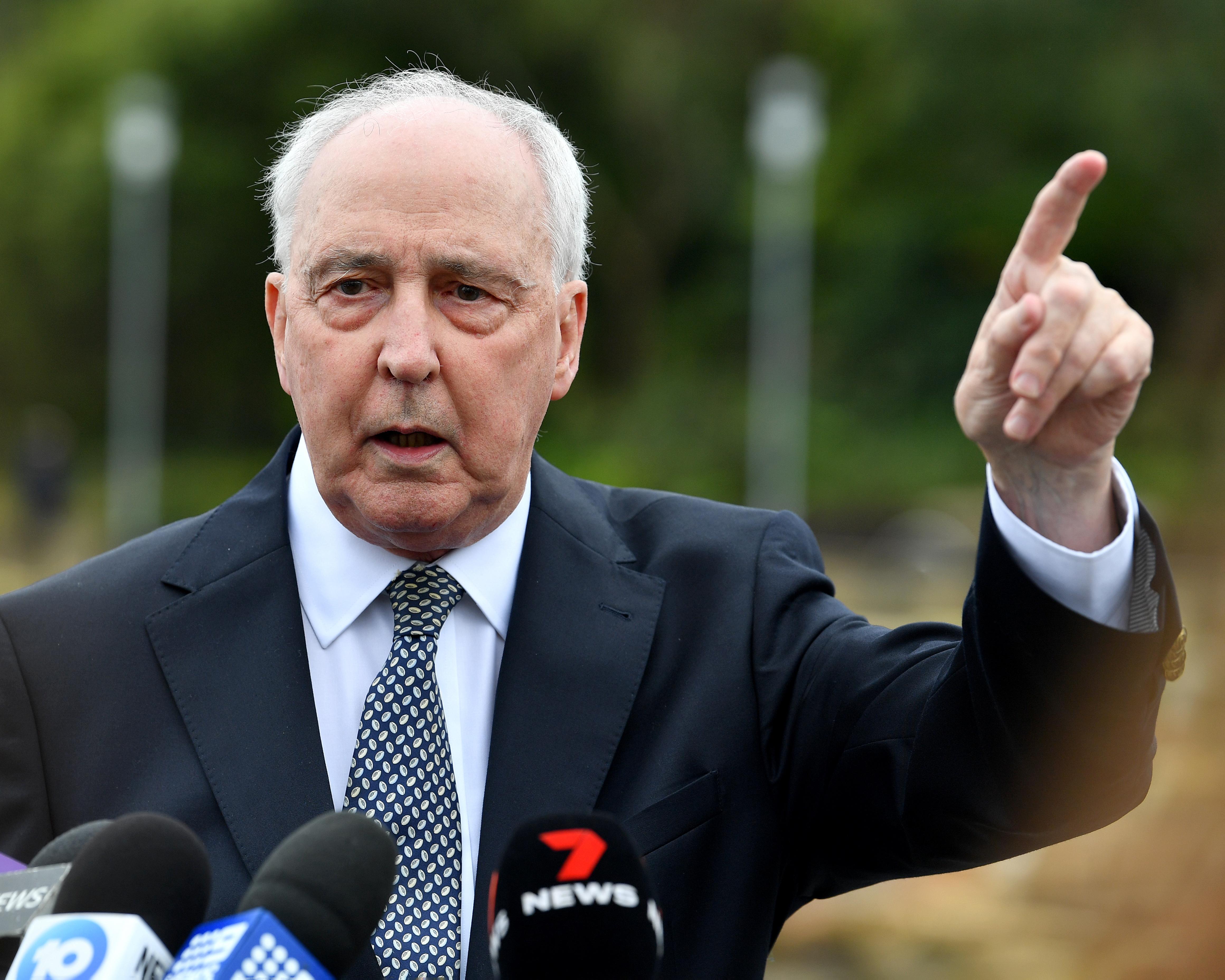
Former Prime Minister Paul Keating has urged the Albanese government to proceed with its proposed capital gains tax reforms, cautioning that exempting commercial assets from the changes would further distort the Australian economy. Speaking ahead of the legislation’s introduction to parliament, Keating argued that the shift from a 50% discount to an inflation-based model is marginal and will not thwart entrepreneurial initiative, aiming to correct a historical imbalance between capital and labour taxation.
Keating, who oversaw major economic reforms in the 1980s and 1990s, stated that settings in place since 1999 had diverted financial resources into established property, thereby hurting the productive economy. He told Guardian Australia that the government had acted correctly on housing but it was imperative that the capital gains tax changes did not create a new distortion by excluding other asset classes. “The shift in capital taxation under the new arrangements is so marginal that no entrepreneurial initiative is likely to be thwarted by it,” he said.
Treasurer Jim Chalmers has echoed these concerns, warning that replacing one economic distortion with another by exempting commercial assets would be illogical. The proposed legislation involves replacing the 50% discount with a cost-base indexation model, which taxes profits after inflation, alongside a minimum 30% tax rate. The broader tax package also includes changes to negative gearing rules, a $1,000 standard tax deduction, and a new $250 annual tax offset for workers.
Despite the government’s position, the reforms face fierce opposition from investors, business groups, and the Coalition. Shadow Treasurer Tim Wilson has indicated that the Coalition will use its leverage in the Senate to scrutinise the measures, seeking to delay implementation until July 2027. Wilson argued that the changes were not taken to the Australian community and were negatively impacting small businesses, while the Business Council’s chief executive, Bran Black, warned against a rushed legislative process.
The Albanese government aims to pass the laws before the parliamentary winter break in July, though a potential deal between the Greens and the Coalition could lead to Senate inquiries into the tax changes and spending cuts to the national disability insurance scheme. While small businesses with revenue below $2 million are exempt from the capital gains tax changes, reports indicate that some Labor MPs are frustrated that the budget message has shifted away from intergenerational fairness in housing due to the opposition pressure.