KC Green accuses AI firm Artisan of unauthorised use of 'This is fine' meme in subway ad
The dispute highlights ongoing tensions between digital creators and artificial intelligence companies regarding the commercial exploitation of public domain-adjacent imagery.
KC Green, the artist behind the enduring 'This is fine' meme, has publicly accused AI startup Artisan of stealing his artwork for a commercial advertising campaign. The controversy emerged after Green alleged that Artisan deployed a subway advertisement featuring his anthropomorphic dog character without permission. In the ad, the caption was altered to read 'My pipeline is on fire' to promote the hiring of an AI Business Development Representative.
Green stated that the usage was not authorised and described the incident as art being 'stolen like AI steals'. He urged members of the public to vandalise the advertisement if they encountered it. The specific campaign was reportedly spotted in a subway station, where the modified image was used to drive recruitment for the technology firm.
Artisan responded to the accusation by stating that they have a lot of respect for Green and his work. The company confirmed that they are reaching out to him directly and have scheduled time to speak with him regarding the matter. Despite this assurance, Green has indicated that he is seeking legal representation to address the unauthorised use of his intellectual property.
The 'This is fine' comic originally appeared in Green's webcomic 'Gunshow' in 2013 and has become a durable cultural symbol over the past decade. While Green has not entirely disavowed the character, noting that the image has 'escaped from his control', he has condemned this specific commercial application. This incident mirrors past disputes where artists have taken legal action against unauthorised commercial use of their work, such as cartoonist Matt Furie suing Infowars over the use of his character Pepe the Frog.
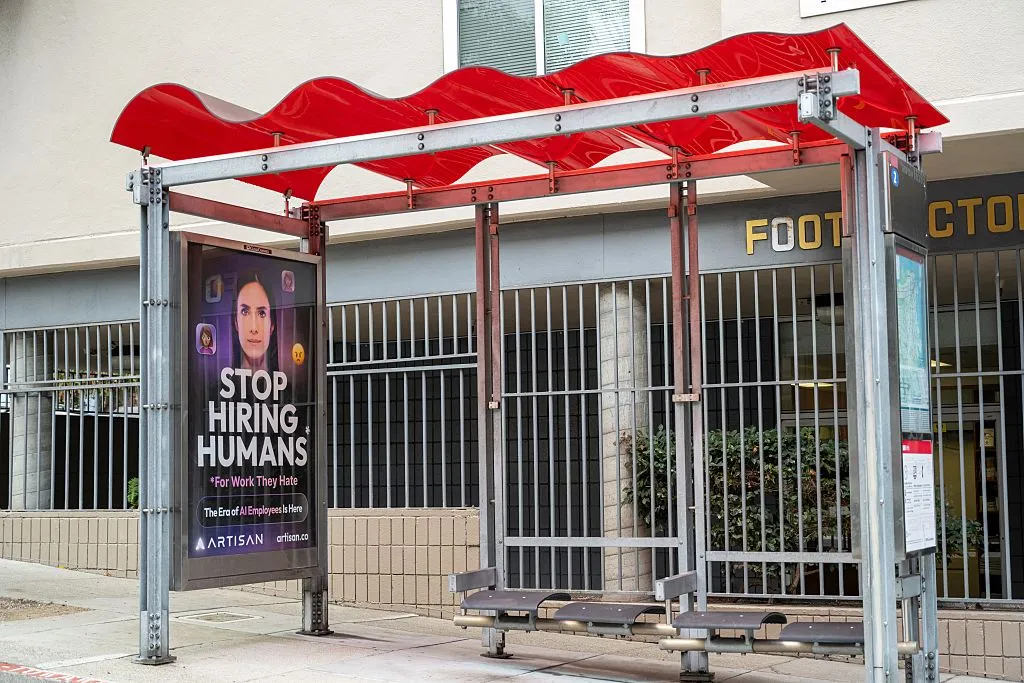
Artisan has a history of courting controversy with its advertising campaigns, including previous billboards urging businesses to 'Stop hiring humans'. The company's founder and CEO, Jaspar Carmichael-Jack, had previously clarified that such messages targeted a 'category of work' rather than 'humans at large'. However, Green expressed frustration that he must now navigate the American court system, a process he feels detracts from his passion for drawing comics and stories.
Green told TechCrunch that he feels compelled to look into legal representation, asserting that 'no-thought A.I. losers aren't untouchable'. He emphasised that memes do not come out of thin air and that creators deserve protection from unauthorised monetisation. As the situation develops, the case serves as a focal point for the broader debate surrounding copyright in the age of generative artificial intelligence.
