Jury dismisses Musk’s lawsuit against OpenAI founders amid revelations of Tesla resource use
A jury has rejected Elon Musk’s claims against OpenAI co-founders Sam Altman and Greg Brockman, citing a weak case and the statute of limitations, while testimony revealed Musk had previously utilised OpenAI researchers for Tesla without reimbursement.
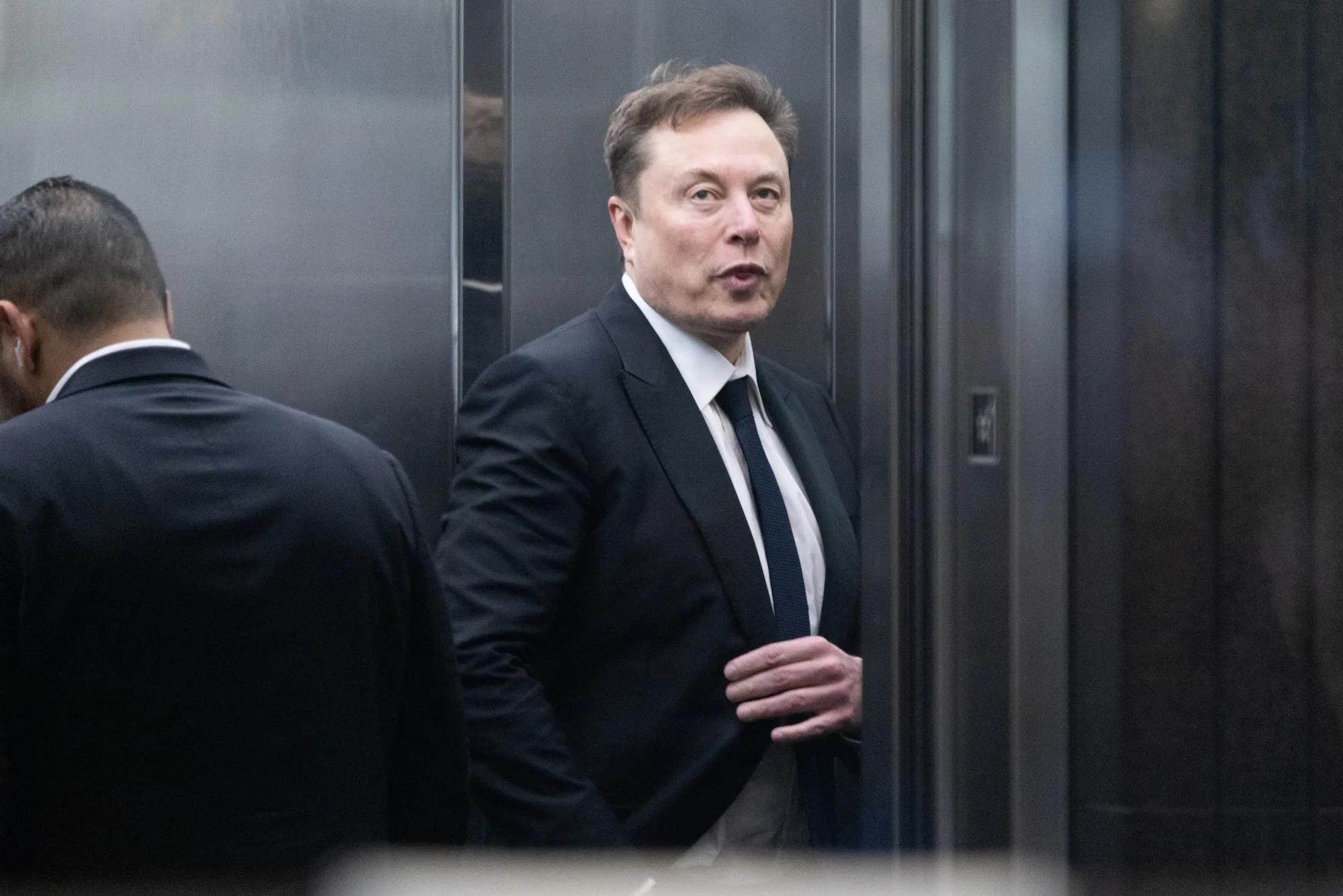
A jury has dismissed Elon Musk’s lawsuit against OpenAI co-founders Sam Altman and Greg Brockman, ruling that allegations of breach of charitable trust and unjust enrichment lacked merit. The verdict, delivered following a trial that highlighted significant delays in filing the claim, concluded that Musk’s legal challenge was fundamentally weak. Musk has since announced his intention to appeal the decision, despite the jury’s clear rejection of his core arguments.
The proceedings revealed that Musk had previously benefited from OpenAI’s resources for the advantage of his for-profit ventures. Greg Brockman testified that in 2017, Musk requested a team of OpenAI researchers, including Andrej Karpathy, Ilya Sutskever, and Scott Grey, to assist Tesla’s autopilot team for several weeks. Brockman stated it was clear they could not refuse the request, and confirmed that Tesla did not reimburse OpenAI for the work performed by these scientists.
Musk’s legal team had sought to frame the trial around Altman’s credibility, but the evidence instead focused on Musk’s own conduct. Witnesses indicated that Musk attempted to secure sole control of OpenAI’s for-profit affiliate in 2017, employing tactics that included offering free Teslas and threatening to withhold donations. This history complicated the plaintiffs’ position, as they struggled to distinguish between Musk’s past actions and the current structure of OpenAI’s commercial operations.
Legal observers noted the hypocrisy in Musk’s claims given his prior utilisation of non-profit assets. Dorothy Lund, a Columbia Law School professor, commented that the arrangement where OpenAI scientists worked for Tesla’s benefit would likely be illegal. She described Musk’s lawsuit as hypocritical, noting that he appeared to have redirected assets in a manner inconsistent with the charitable mission he now claims was breached.
The jury was asked to determine whether Musk should have known before August 5, 2021, that OpenAI was spending resources outside its mission or launching a for-profit affiliate. The court found that the statute of limitations barred the claims, as Musk waited too long to file. This legal barrier was reinforced by evidence that Musk himself was engaging in similar activities during that period, undermining his assertion that he was unaware of potential mismanagement.
Musk’s family office, Excession, did not respond to requests for comment regarding the Tesla assistance or the verdict. In a post he later deleted, Musk criticised Judge Yvonne Gonzalez Rogers and asserted that Altman and Brockman had enriched themselves by stealing a charity. The jury’s decision, however, stands as a formal rejection of those assertions, closing this chapter of the legal dispute between the tech billionaire and the AI lab’s leadership.
