Jury deliberates in Musk’s $10 billion challenge to OpenAI’s governance
Nine California jurors are weighing whether OpenAI violated its founding mission by prioritising profit over safety, a case that could reshape the structure of the world’s leading artificial intelligence lab.
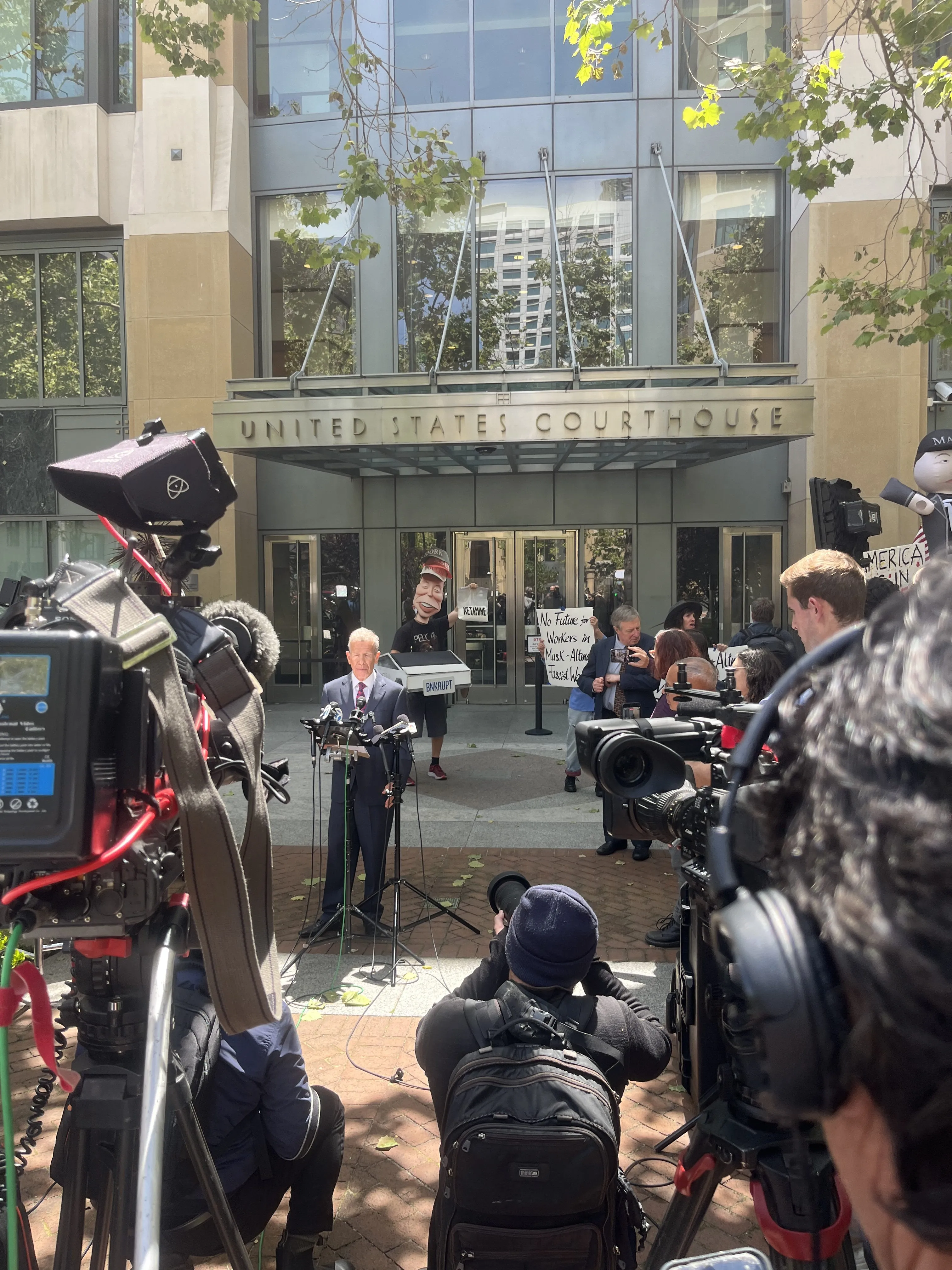
Nine California jurors are currently deliberating in the high-profile civil lawsuit filed by Elon Musk against OpenAI, its co-founders, and Microsoft. The trial, which has examined events ranging from the founders’ breakup in 2018 to the firing and subsequent rehiring of chief executive Sam Altman in 2023, centres on a narrow set of legal questions regarding the organisation’s charitable trust and corporate governance.
Musk’s legal team argues that OpenAI breached its founding mission by prioritising commercial interests, particularly following a $10 billion investment from Microsoft in 2023. Plaintiffs contend this deal enriched investors at the expense of AI safety, turning Musk’s long-held concerns into legal action. The jury must determine if the lawsuit was filed within the statute of limitations and, if so, whether the defendants are liable for allegedly diverting the organisation from its non-profit roots.
OpenAI’s defence maintains that its structure has always supported its mission, asserting that the for-profit affiliate has generated nearly $200 billion in equity value to support the non-profit foundation. Attorneys highlighted testimony from a forensic accountant who stated all of Musk’s donations were utilised by the foundation well before August 5, 2021. This evidence suggests the charitable trust claim may be invalid, as the funds were spent on their intended purpose long before the lawsuit was initiated.
The defence also emphasised that Musk’s formal role ended in 2018, with his last donations recorded in 2020. OpenAI attorneys argued the lawsuit is motivated by Musk’s realisation that his previous assumptions about the company were incorrect following the commercial success of ChatGPT. They pointed to evidence that Musk attempted to launch a personally controlled for-profit affiliate and later sought to merge OpenAI into Tesla, actions they claim undermined the organisation while it was using his donations to pursue its mission.
Microsoft witnesses testified that the company did not know of specific conditions on Musk’s donations and never exercised veto rights over OpenAI decisions, despite having such rights in their agreement. With closing arguments concluded, the jury’s verdict will determine if OpenAI must revert to a non-profit structure, a process that will be further debated by judges in upcoming hearings should the plaintiffs prevail.
