Judge Yvonne Gonzalez Rogers set to oversee landmark Meta trial
The jurist known for presiding over high-profile technology litigation is now handling a case with the potential to significantly influence Meta’s future trajectory.
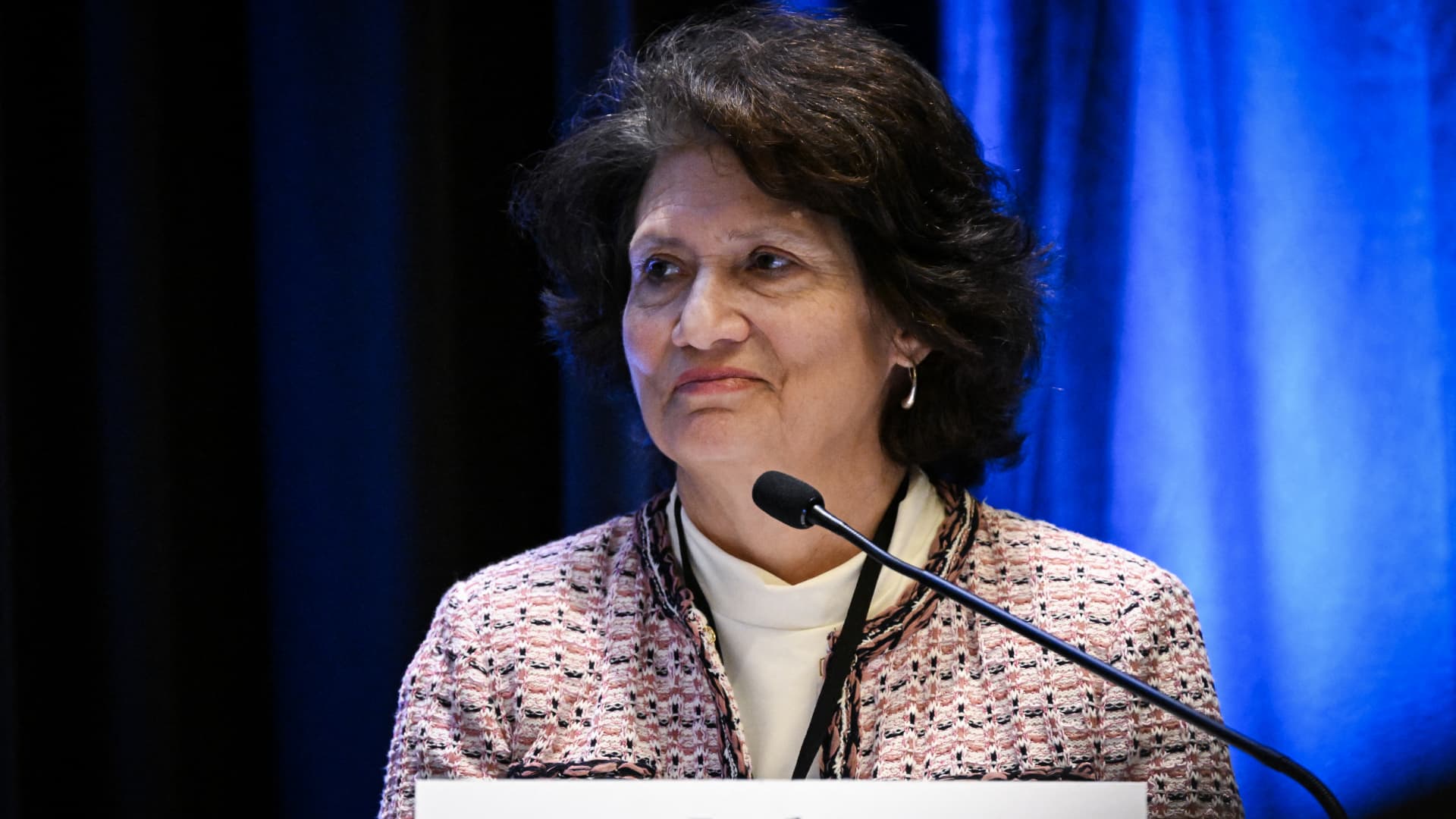
Judge Yvonne Gonzalez Rogers has emerged as a central figure in the ongoing scrutiny of major technology firms, with the social media giant Meta now facing proceedings in her courtroom. The case is characterised as a landmark trial, suggesting it carries substantial weight for the company’s future operations and market position.
Gonzalez Rogers is no stranger to high-stakes tech litigation. She has previously presided over a series of landmark trials involving other technology giants, establishing a reputation for handling complex cases that often set precedents for the industry. Her current docket reflects the continued pressure on tech companies to answer to regulators and legal challenges.
For investors and market observers, the appointment of a judge with such a specific track record adds a layer of significance to the Meta proceedings. The trial is expected to have a significant potential impact on the company, though the precise legal claims and the exact commencement date of the trial have not been detailed in initial reports.
The case falls within the broader context of market regulation and tech industry oversight, themes that have dominated financial discourse in recent years. As the legal process unfolds, the outcome could provide further clarity on the regulatory landscape facing large technology platforms.
According to reporting from CNBC, the trial marks the latest instance of a tech giant appearing before Gonzalez Rogers. The coverage highlights the judge’s growing influence in shaping the legal and commercial outcomes for the sector’s most prominent players.
While the specific stage of the proceedings and the final outcome remain to be seen, the involvement of Gonzalez Rogers underscores the high stakes involved. Market participants will likely monitor the case closely, given its potential to redefine the boundaries of tech regulation.