JPMorgan warns US consumer cushion against inflation is thinning
Marianne Lake says real wages have fallen as households rely on tax savings, while peers at Wells Fargo and Bank of America note resilient but price-driven activity.
US consumers are maintaining their spending habits, but the financial buffer protecting households from rising prices is eroding, according to JPMorgan Chase. Marianne Lake, chief executive of the bank’s consumer and community banking division, stated that while credit metrics and deposit balances remain healthy, wage inflation is failing to keep pace with general inflation for an increasing number of Americans.
Lake delivered these observations at a Morgan Stanley investor conference, noting that while unemployment remains low, the demand for labour has softened. This dynamic, combined with a surge in energy prices in April, has resulted in falling real wages for many households. However, consumers have partially offset these higher costs by utilising tax savings, with Lake estimating that households have spent approximately 20% to 25% of these funds since March.
The comments from JPMorgan align with assessments from other major financial institutions, which have reported stable consumer activity despite cautious survey data. Bank of America co-president Jim DeMare, also speaking at the conference, highlighted a disconnect between sentiment and reality, noting that consumer spending at the bank is still rising in the mid-single digits compared to the previous year.
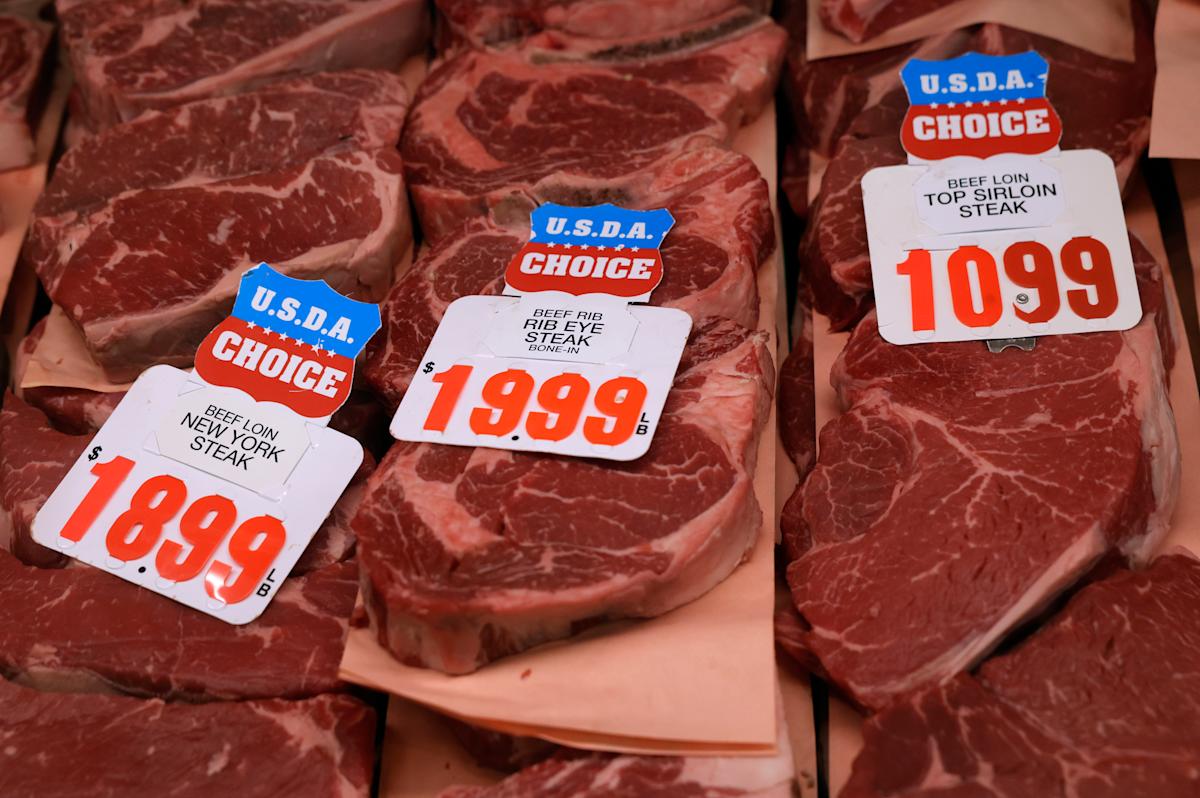
Wells Fargo chief financial officer Mike Santomassimo provided further detail on the nature of current spending, reporting a 9% year-on-year rise in credit card spending in May. He attributed nearly $1 billion of that increase to higher fuel costs, noting that consumers are spending roughly 45% to 50% more on gas than they were a few months prior.
Santomassimo observed a divergence in consumer resilience based on income levels. While lower-income consumers are living more paycheck to paycheck, those with higher incomes and investments are performing well relative to historical standards. Lake added that if inflation remains elevated for longer, the trend of wages keeping pace with prices could come under greater risk, a factor investors will need to monitor closely in the second half of the year.