John Coltrane’s Lost Club Performances Trace the Road to Free Jazz
Previously unreleased recordings from Coltrane’s 1960–64 nightclub residencies capture the saxophonist stretching familiar compositions towards a more radical musical future.
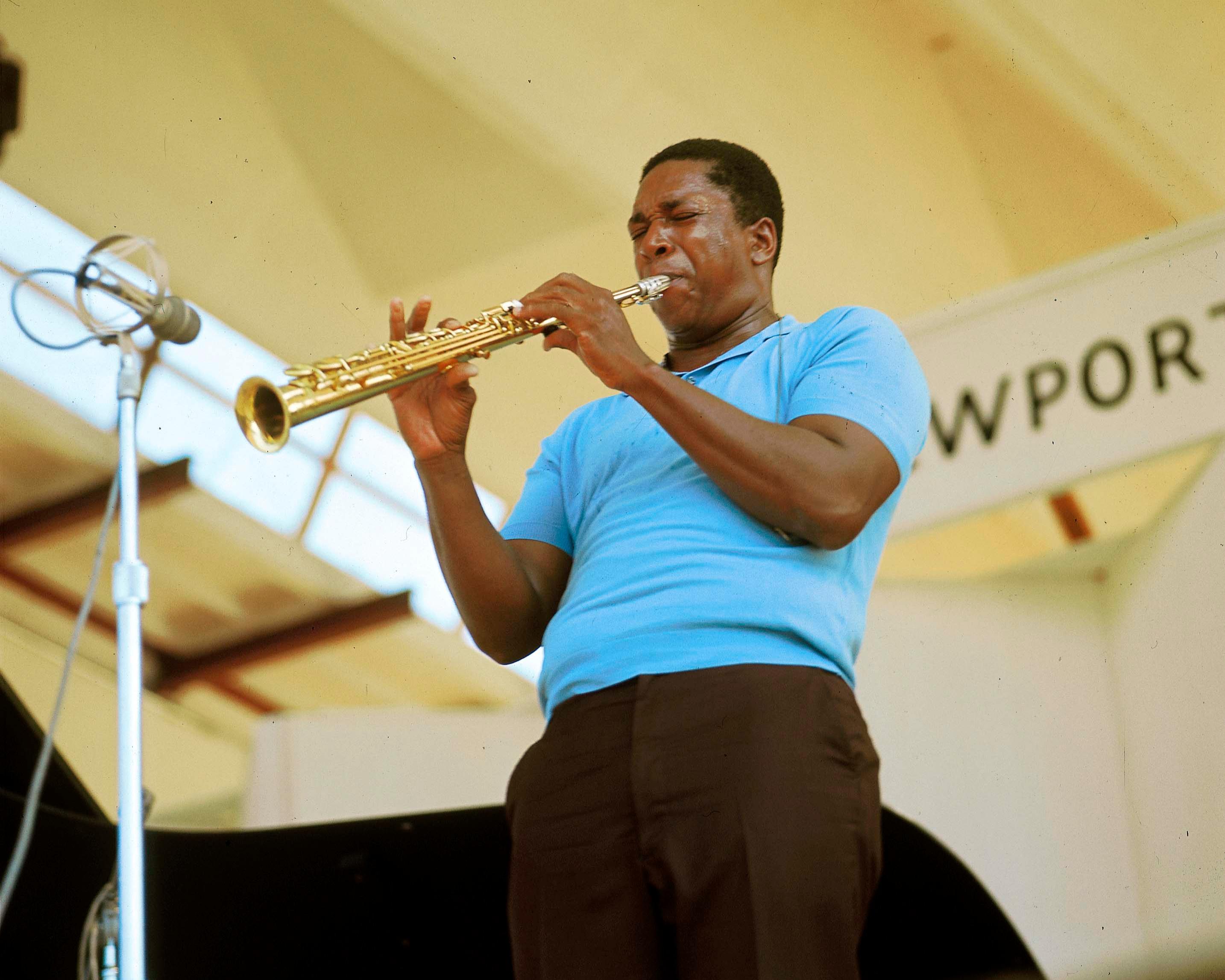
Previously unreleased recordings of John Coltrane’s nightclub performances are emerging as The Tiberi Tapes, a centenary release documenting the saxophonist’s movement towards free jazz. Made between 1960 and 1964, the tapes follow Coltrane as he moved beyond the established success of Giant Steps, My Favourite Things and A Love Supreme.
Frank Tiberi recorded the performances with a hidden microphone, amassing approximately 80 reels and more than 60 hours of music. He recently offered the material to Coltrane’s final label, Impulse!, which edited 26 hours into 11 newly mastered compositions.
The recordings retain the imperfect atmosphere of the clubs: tape hiss, poor audio quality and audience noise remain part of the experience. Among the highlights are a slower, more melodic version of “Giant Steps” and a 33-minute extension of “Resolution”.
Musicians and historians cited in The Guardian describe the tapes as evidence of Coltrane’s expanding improvisational language and his engagement with younger experimental players. The performances show familiar material becoming increasingly open-ended, with extended solos and new melodic paths.
That trajectory led towards the more uncompromising work of Coltrane’s later years, including 1965’s Ascension, a release that reportedly divided audiences. Coltrane continued to perform and record until shortly before his death from liver cancer in July 1967, aged 40. A century after his birth, the tapes offer another view of an artist whose most enduring quality was his refusal to stand still.