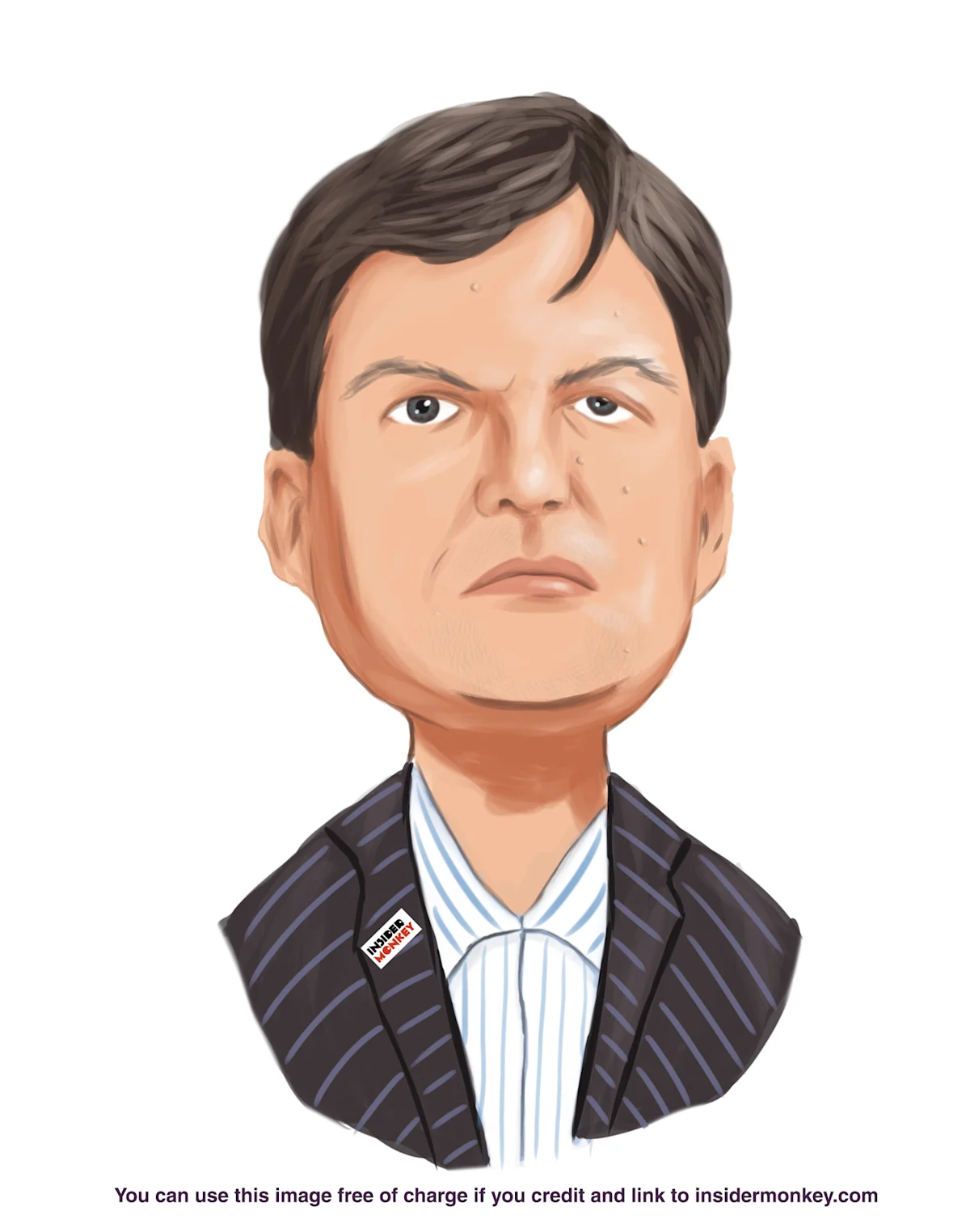
Jim Cramer Questions Procter & Gamble's Status as a Market Laggard Amid Analyst Upgrades
Host of *Mad Money* highlights tariff headwinds and commodity costs, even as UBS and Deutsche Bank raise price targets for the $300 billion company.
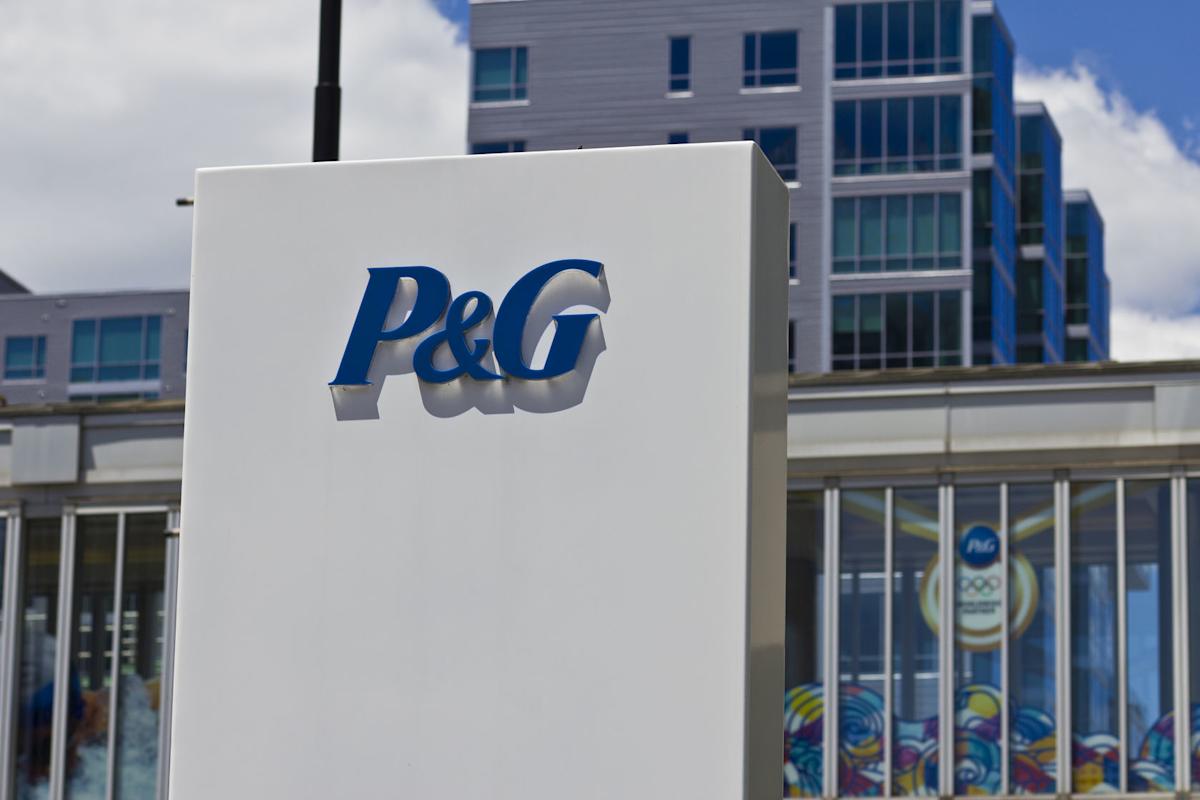
Jim Cramer has expressed significant uncertainty regarding the trajectory of Procter & Gamble, describing the consumer goods giant as a potential laggard in an era dominated by technology stocks. Despite the company's massive market capitalisation of approximately $300 billion, Cramer noted that shares have declined by 9.9% over the past year, a move that contrasts sharply with the broader enthusiasm for high-growth tech equities. While acknowledging recent positive earnings, the host questioned whether the stock's muted performance represents a return to historical norms or a fundamental shift in investor sentiment.
The commentary follows a divergence in market performance across industrial sectors, where companies like nVent Electric have seen share price surges driven by data centre boom earnings. In contrast, Cramer highlighted specific nuances within Procter & Gamble's portfolio, noting that while beauty and grooming categories are merely okay, performance in fabric, home, baby, and feminine care remains very good. He suggested that these strong underlying results might be obscured by temporary market factors, leading to his rhetorical query about whether the company's current metrics are merely asterisks in a larger, more volatile picture.
Cramer attributed the recent challenges facing the consumer staples giant to specific macroeconomic headwinds, including tariffs and rising commodity costs. He noted that these pressures are partially offset by a tailwind from a strong US dollar, which has benefited European and Chinese operations. However, he also pointed to a disconnect between the company's operational success and its stock price, observing that organic growth has not fully met expectations and that the firm may be struggling to compete with the sheer scale of modern technology firms.
In a counterpoint to Cramer's cautious tone, major investment banks have recently taken a more bullish stance on the stock. UBS raised its price target to $172 from $166 while maintaining a Buy rating, citing optimism about top-line performance despite potential bottom-line cost pressures. Similarly, Deutsche Bank adjusted its price target to $163 from $162, also keeping a Buy rating following the company's third-quarter earnings report. These upgrades suggest that institutional analysts see value in Procter & Gamble's momentum, even as they acknowledge the ongoing cost pressures affecting the bottom line.
The conflicting narratives highlight the complexities of investing in established consumer brands versus emerging technology sectors. While Cramer remains puzzled by the disparity between Procter & Gamble's operational resilience and its share price underperformance, analysts argue that the company's diversified portfolio offers a stable foundation. The debate underscores the broader market tension between traditional industrial giants and the high-flying tech sector, particularly as discussions around AI stocks and onshoring trends continue to shape investment strategies.
Ultimately, the situation leaves investors weighing the safety of a blue-chip dividend payer against the potential for higher returns in other areas. Cramer's admission that he does not know what to say about the company reflects the difficulty in valuing a $300 billion enterprise in a rapidly changing economic landscape. As the market digests the latest analyst upgrades and the host's scepticism, the focus remains on whether Procter & Gamble can reclaim its historical dominance or if it has permanently fallen behind the pace of the modern economy.