Jarvis appointed UK defence secretary amid funding disputes and political uncertainty
Dan Jarvis steps into a role defined by underfunding concerns and internal Labour dynamics, with credibility tests looming at upcoming Nato meetings.
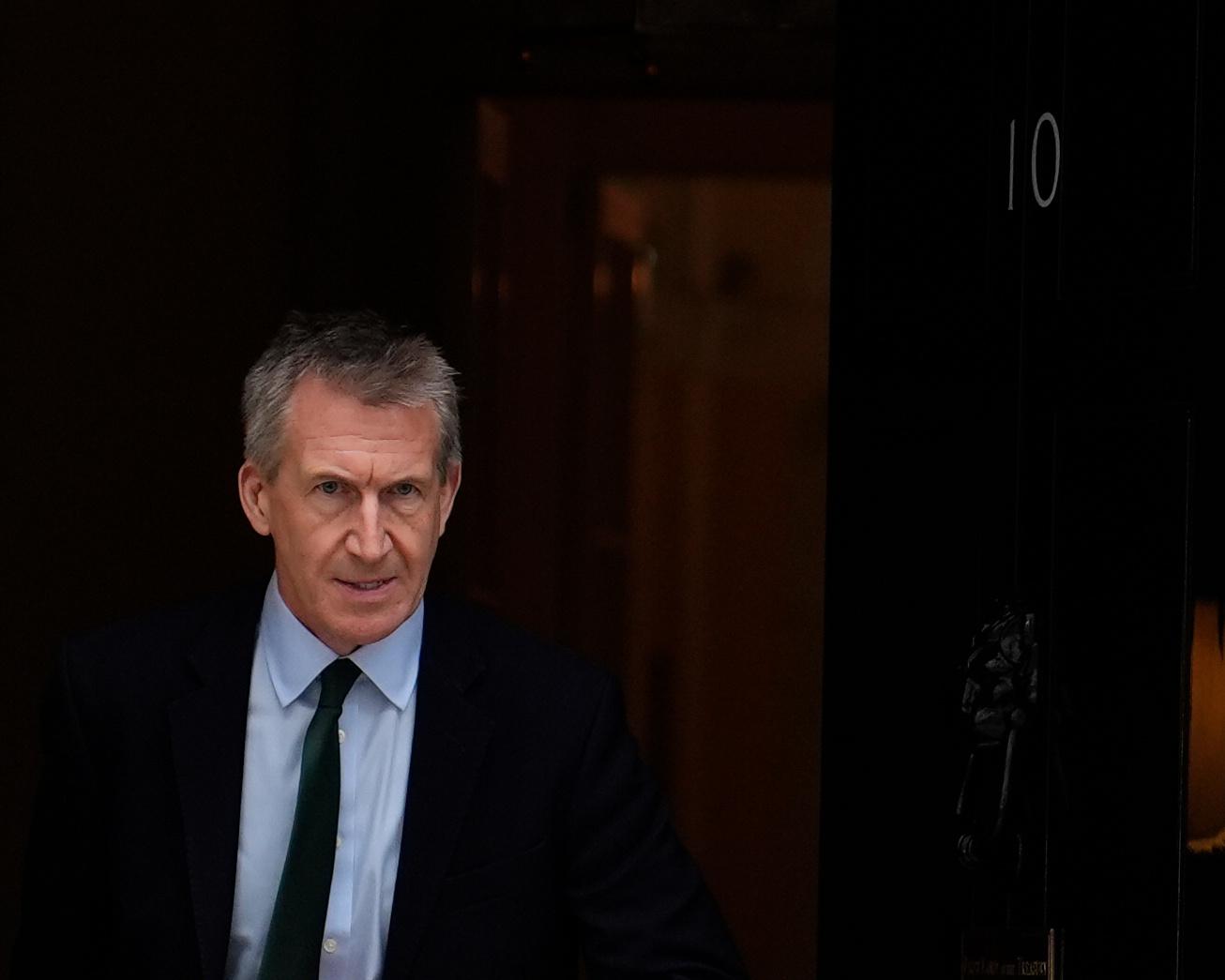
Dan Jarvis has been appointed as the new UK defence secretary, succeeding John Healey in a move that places a former paratrooper and ex-Sheffield City Region mayor at the helm of a department grappling with significant fiscal and strategic challenges. Colleagues describe Jarvis as an honourable centrist who avoids Westminster political drama, yet he inherits a complex brief where the Ministry of Defence and senior military leaders have flagged the current defence investment plan as underfunded.
Jarvis’s appointment comes as the UK prepares for upcoming Nato meetings, where he will be expected to defend the nation’s readiness for conflict. However, this task is complicated by reports that No 10 and the Treasury have not provided an adequate funding settlement, a view shared by his predecessor and armed forces minister Al Carns. The situation presents an immediate test of Jarvis’s credibility, as he navigates the gap between military expectations and government fiscal constraints.
Within the Labour party, reactions to Jarvis’s elevation have been mixed but largely devoid of overt hostility. While some MPs characterise him as having “middling” talent and struggle to distinguish his political stance from Healey’s, others view him as a straight shooter and a humble figure. One former minister noted that Jarvis is “as centrist as a person can be,” while fellow Labour MPs have described him as a “good bloke” who does not engage in typical political rabble-rousing, contrasting his demeanor with the more controversial figures often associated with the party’s security apparatus.
Jarvis’s political trajectory has been shaped by personal tragedy and a deliberate distancing from the party’s left wing. After losing his wife in 2010, he declined to run for Labour leader in 2015, citing the need to support his children. He subsequently lost the leadership contest to Jeremy Corbyn, who campaigned on a more left-wing platform. Jarvis later served as security minister and as mayor of Sheffield City Region, where he aligned with Greater Manchester mayor Andy Burnham on issues of regional infrastructure investment, arguing against Treasury practices that favoured already prosperous areas.
The timing of Jarvis’s appointment coincides with a period of instability for Prime Minister Keir Starmer, whose future is described as being in the balance. Speculation suggests Jarvis may not remain in the role long-term, with some suggesting he might only last a few weeks depending on internal Labour dynamics and the potential return of Burnham to Westminster. A recent chaotic appearance at a drone-testing facility in Swindon, where businesses were instructed not to mention the defence investment plan, highlighted the difficulties of stepping into the role at short notice amidst delayed decisions and shifting political winds.