Japan’s Q2 GDP growth disappoints, missing 2% forecast
The second-quarter figures fall short of market expectations, underscoring persistent headwinds for the world’s third-largest economy.
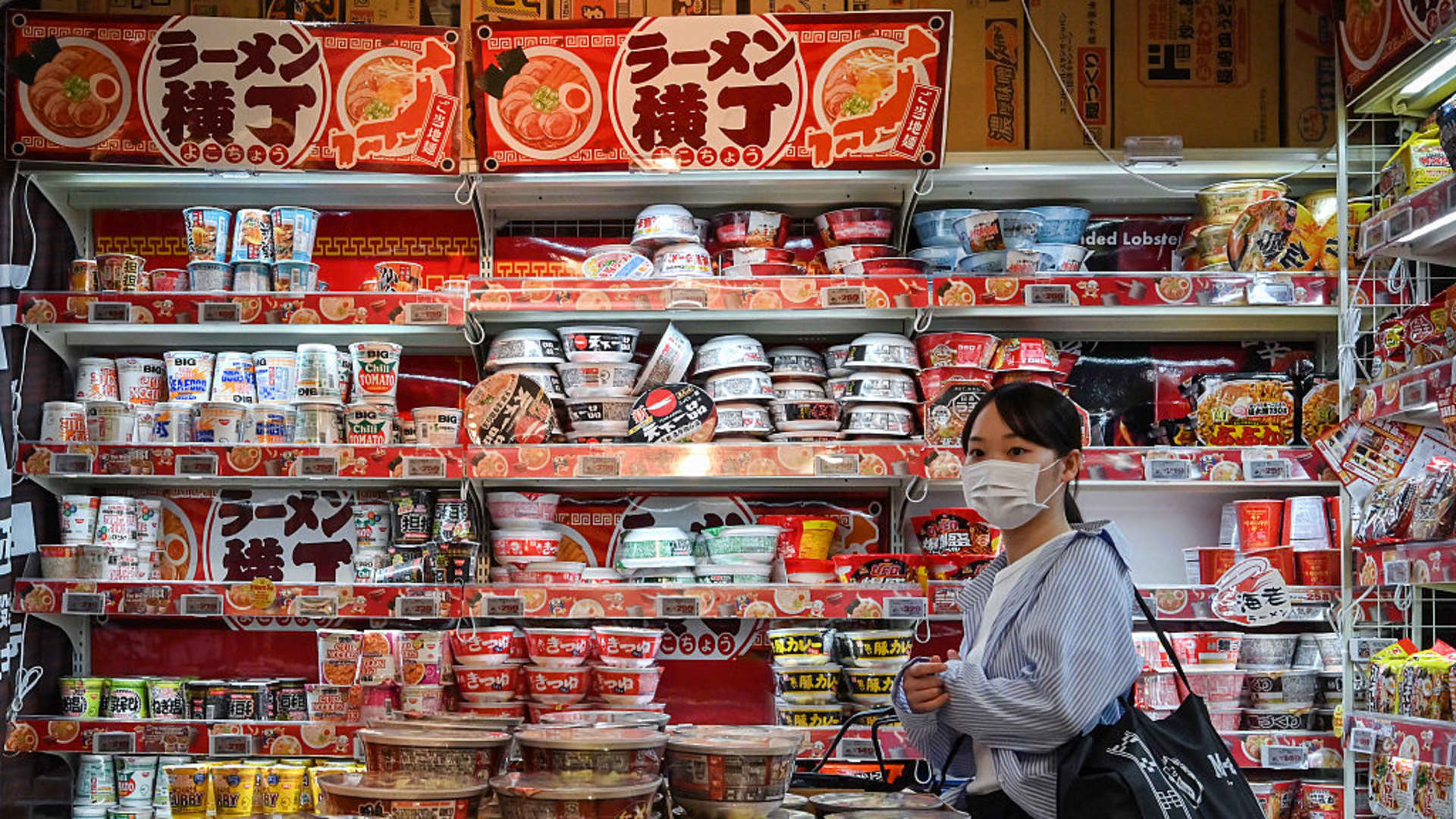
Japan’s gross domestic product expanded by 1.1 per cent on an annualised basis in the second quarter, according to data reported by CNBC on 17 August 2026. The figure fell short of market expectations, which had anticipated growth of 2 per cent.
The miss highlights the ongoing challenges facing the Japanese economy as it navigates a complex global financial landscape. While the growth rate indicates a positive trajectory, the deviation from consensus forecasts suggests that underlying demand remains subdued.
The economic report was released alongside heightened diplomatic tensions in the region. On the same day, Japanese Prime Minister Takaichi lodged a formal protest after Russian President Vladimir Putin visited the disputed Kuril Islands.
The visit to the territory, which both Japan and Russia claim sovereignty over, was described by Prime Minister Takaichi as 'absolutely unacceptable'. This diplomatic friction occurs concurrently with the release of the quarterly economic data, though no direct causal link between the geopolitical dispute and the GDP figures has been established.
Market participants will likely scrutinise future releases for signs of whether domestic consumption and investment can accelerate to meet higher growth targets. The current 1.1 per cent annualised rate leaves the economy vulnerable to external shocks and shifting monetary policy directions from the Bank of Japan.
Investors are now reassessing the outlook for Japanese equities and the yen, as the softer-than-expected growth data may influence expectations for interest rate adjustments. The divergence between the actual 1.1 per cent growth and the 2 per cent estimate signals a need for caution in near-term market positioning.
The combination of tepid economic expansion and regional geopolitical instability presents a dual challenge for policymakers. As Tokyo balances its diplomatic stance with Moscow against the imperative of stimulating domestic growth, the coming quarters will be critical in determining the sustainability of the current economic trajectory.