Japanese toilet firm Toto pours $192 million into ceramics unit as AI chip demand surges
Toto pledges 30 billion yen for mass production and research, with the ceramics division now accounting for more than half of its operating profit.
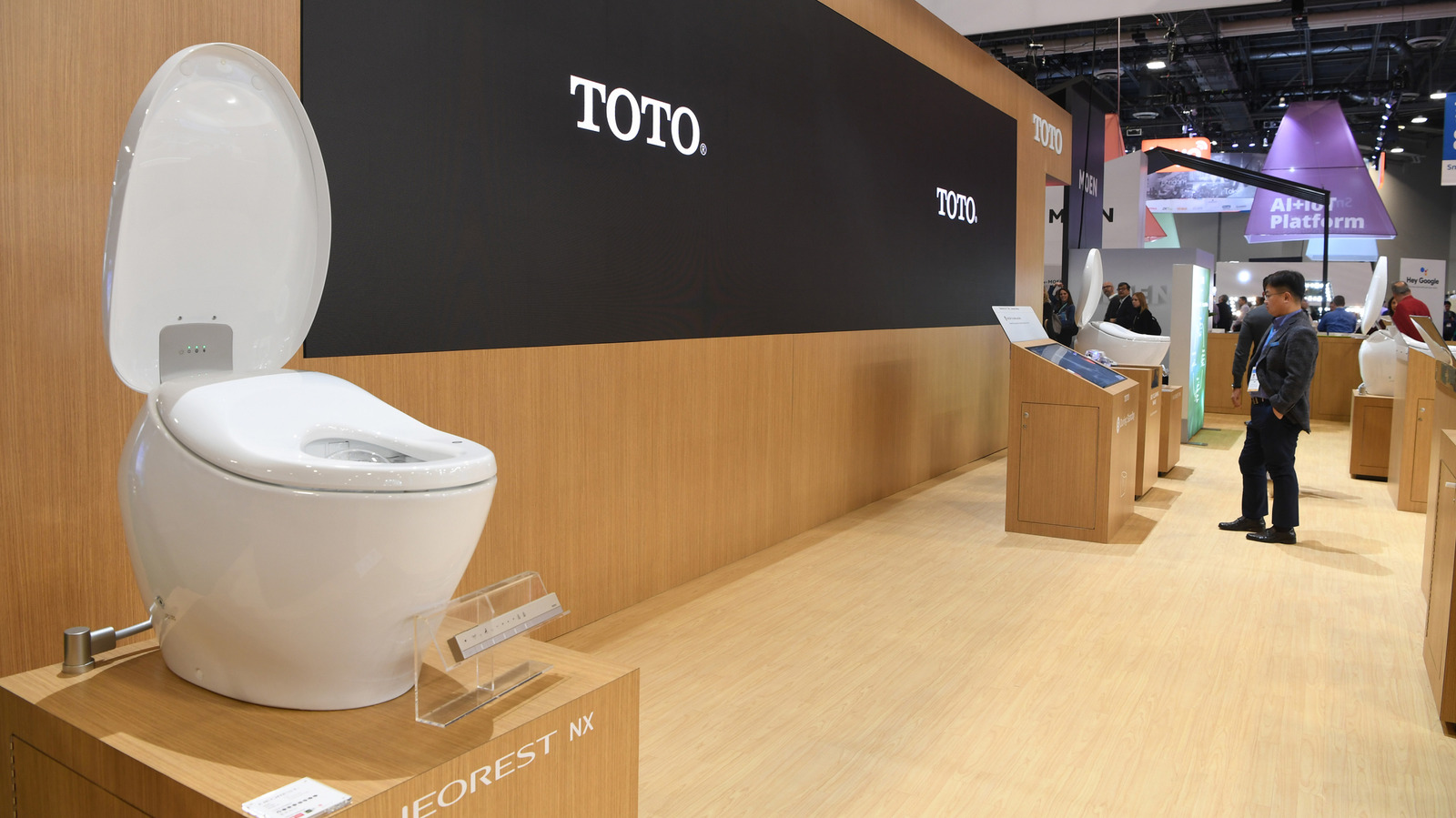
Japanese toilet manufacturer Toto has announced a significant strategic pivot, pledging an additional 30 billion yen, or approximately $192 million, over the next fiscal year. The capital injection is specifically earmarked to boost mass production and research and development within its ceramics division. This move underscores the growing importance of the unit, which has become a primary revenue driver as global demand for artificial intelligence chips accelerates.
While Toto is globally renowned for its bidet-style Washlet toilets, the company has maintained an advanced ceramics division since 1984. This unit specialises in manufacturing electrostatic chucks and other critical components required for the fabrication of NAND memory chips. Last year, the division reported a 34 per cent increase in profits, a figure that now accounts for 55 per cent of the company's total operating profit. The expansion plan is a direct response to the surging market for AI-driven semiconductors.
The ceramics division holds a prominent position in the global supply chain, ranking as the world's second-largest producer of electrostatic chucks. These devices are essential for securely holding silicon wafers in place during the manufacturing process via electrostatic force. Beyond NAND memory components, the unit also produces aerosol deposition components and structural parts used in the manufacture of large LCD panels, according to reports from Nikkei.
Toto's trajectory mirrors a broader trend among Japanese corporations seeking to capitalise on the AI boom. Cosmetics manufacturer Kao has developed cleaning agents for semiconductors, while Ajinomoto, the inventor of monosodium glutamate, is investing heavily in insulating films for motherboards. Together with Toto, these firms illustrate how the sustained stock market rise powered by leaders like NVIDIA has lifted industries far removed from traditional high-tech manufacturing.
Despite the optimism, the investment carries inherent uncertainties. The specific timeline for the return on investment for the new 30 billion yen allocation has not been detailed by the company. Furthermore, the long-term sustainability of the projected growth rate depends heavily on the continued trajectory of AI chip demand. Market observers remain cautious about the potential for an AI bubble that could eventually impact the broader economy.
