Japan posts unexpected trade surplus as exports surge amid Middle East supply shocks
Government data reveals a 301.9 billion yen surplus in April, contrasting with forecasts of a deficit, as Strait of Hormuz closures tighten energy supplies.
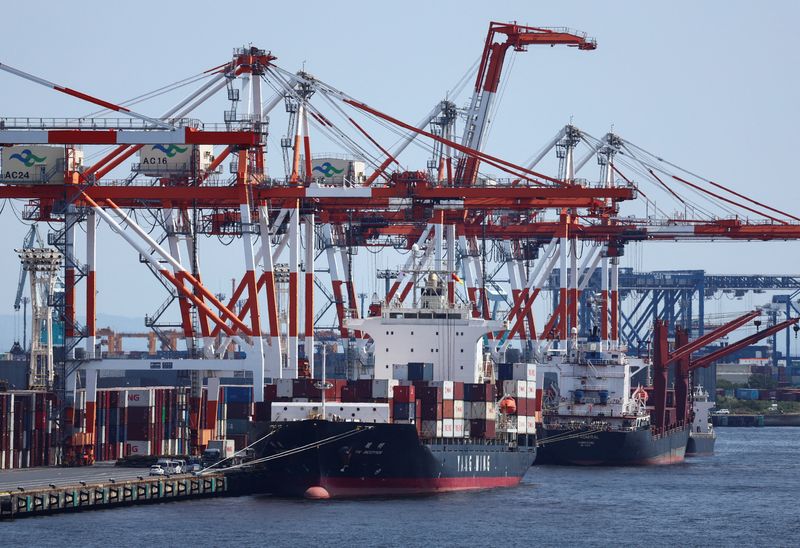
Japanese exports rose for an eighth consecutive month in April, climbing 14.8 per cent year-on-year and surpassing the median market forecast of a 9.3 per cent increase. The latest government data, released on Thursday, confirms that resilient global demand has sustained Japanese manufacturing output despite significant supply chain disruptions stemming from the U.S.-Israeli conflict with Iran.
The trade balance shifted to a surplus of 301.9 billion yen ($1.90 billion), a stark reversal from expectations of a 29.7 billion yen deficit. This outcome was primarily driven by a 64 per cent plunge in crude oil import volumes, the steepest decline recorded since 1980. While imports overall grew 9.7 per cent, beating the 8.3 per cent forecast, the dramatic reduction in energy volumes offset the rise in other goods.
Exports to key markets remained robust, with shipments to the United States increasing by 9.5 per cent and those to China climbing 15.5 per cent. The data follows a revised 11.5 per cent jump in March, indicating that domestic production continues to rely on existing inventories, bolstered by Japan’s substantial strategic oil reserves, even as the Strait of Hormuz closure tightens physical supplies.
However, the cost of energy remains a pressing concern. An increase in crude oil imports from the United States partially offset the reduction in Middle Eastern supplies but was insufficient to prevent the trade surplus. Koya Miyamae, senior economist at SMBC Nikko Securities, noted that beyond higher crude prices, costs for petroleum-related products such as naphtha are also rising, suggesting that trade deficits may widen in the future.
Looking ahead, economic momentum appears to be slowing. Japan’s economy grew at an annualised pace of 2.1 per cent in the first quarter of 2026, exceeding expectations, yet recent indicators point to headwinds. Core machinery orders dropped 9.4 per cent in March, a larger decline than the median forecast of 8.1 per cent, while private-sector surveys showed service sector growth stalling in May due to surging energy costs.
Analysts warn that prolonged disruptions to Middle Eastern supply routes could weigh on both imports and exports by raising production costs and slowing global demand, particularly in energy-intensive sectors such as chemicals. As the conflict persists, the interplay between supply constraints and cost inflation will likely remain a central theme for Japanese policymakers and investors.