Japan parliament amends imperial succession laws, retaining male-only line
Despite public opposition and a shrinking pool of male heirs, Japan’s parliament has passed changes to the Imperial House Law that prioritise patrilineal succession over allowing female emperors.
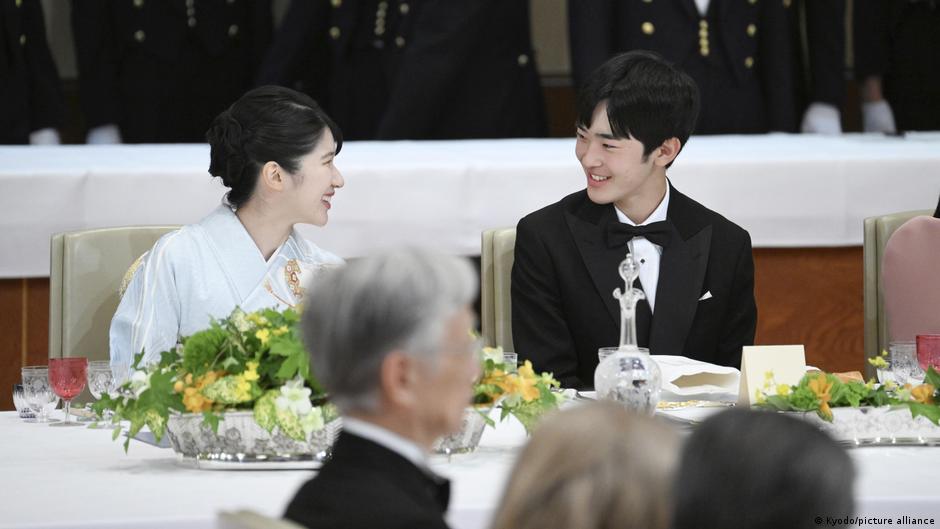
Japan’s parliament has passed amendments to the Imperial House Law, seeking to stabilise the monarchy amid a dwindling number of male heirs while explicitly maintaining the exclusion of women from the line of succession. The reforms, which were endorsed by Prime Minister Sanae Takaichi, address the specific risk posed by Prince Hisahito, the 19-year-old son of Crown Prince Akishino and the only male heir under the age of 60. If Prince Hisahito fails to produce a son, the current male line would end, leaving the throne without a direct male successor under the existing rules.
The legislation introduces two primary changes to the succession framework. Firstly, it allows imperial princesses to retain their royal status if they marry men of commoner birth, reversing a provision that previously stripped them of their titles. This change follows the high-profile case of Princess Mako, who relinquished her royal rank in 2021 upon marrying her university sweetheart. Secondly, the bill permits the imperial family to adopt distant male relatives into the imperial register, provided they are unmarried and over the age of 15. The sons of these adopted relatives would then become eligible heirs to the Chrysanthemum Throne.
The adoption clause targets 11 families that left the imperial register after World War II to reduce the financial burden on the monarchy. According to the Imperial Household Agency, these families share common ancestry with Emperor Naruhito only if traced back to the 15th century, spanning more than 30 generations. The move aims to expand the pool of potential male heirs without altering the purely patrilineal nature of the succession, ensuring that Princess Aiko, the 24-year-old daughter of Emperor Naruhito, remains ineligible for the throne.
The decision has drawn sharp criticism from the public and some members of the ruling Liberal Democratic Party (LDP). Polls indicate strong dissatisfaction with the compromise, with 72 per cent of respondents favouring the allowance of female emperors, while only 23 per cent approved of adopting distant relatives. Seiichiro Murakami, a veteran LDP member, described the exclusion of Princess Aiko as "utterly outrageous" after the bill passed the lower house on July 10.
Political analysts suggest the government’s stance is driven by the need to secure votes from a conservative base that harbours traditionalist attitudes. Hideya Kawanishi, a professor at Nagoya University, noted that the LDP’s overriding goal is preserving the male line, a measure he argues was necessary to maintain electoral support. However, he warned that the amendments risk undermining public support for the symbolic Emperor system, as the reforms appear disconnected from the prevailing public opinion.
The current laws, which formally excluded women from eligibility, date back to 1890 during the Empire of Japan era. Historically, women have occupied the throne, with 12 female emperors recorded in the list of 126 Japanese emperors, including two during the Edo period, the most recent being Empress Go-Sakuramachi from 1762 to 1771. The reforms mark a significant shift in how the monarchy adapts to modern demographic realities while clinging to traditional gender norms.