Japan Airlines to trial humanoid robots for baggage handling at Haneda Airport
The rollout, scheduled to begin in May, involves a phased approach starting with safety mapping and simulated tests before integration with staff on the tarmac.
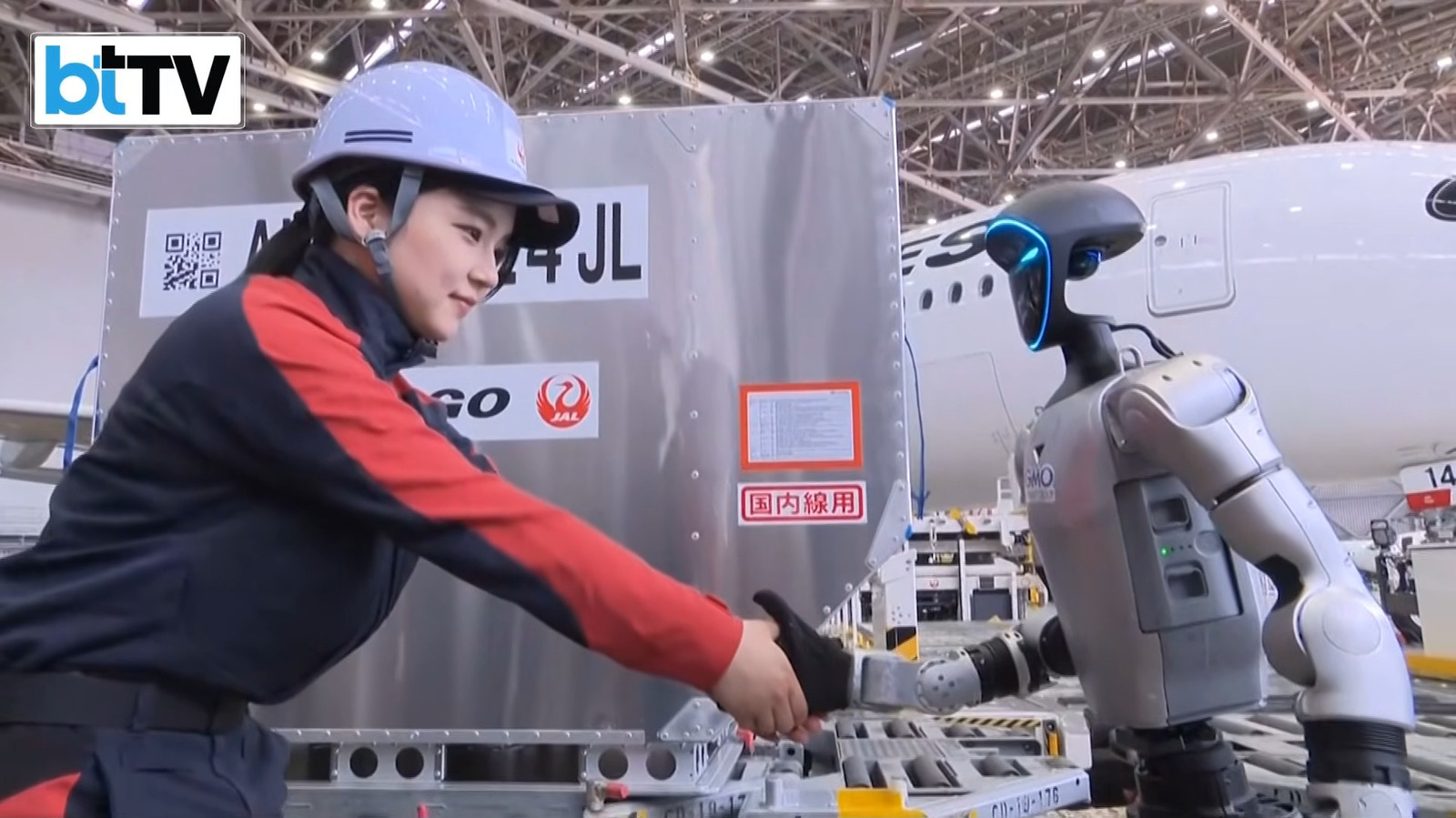
Japan Airlines (JAL) has announced plans to deploy humanoid robots to assist with baggage handling operations at Tokyo's Haneda Airport. The trial is scheduled to commence in May, marking a significant step in the airline's adoption of automation technology to support ground staff.
The initiative aims to mitigate labour shortages driven by Japan's rapidly aging population and low birth rate. With political pressure to limit immigration creating a constrained workforce environment, corporations are increasingly turning to automation to fill critical gaps in their operations.
The robotic units involved in the trial stand 4 feet 3 inches tall and are designed to operate alongside human workers on the tarmac. Their primary function during the test phase will be moving luggage and cargo, working in tandem with existing staff rather than replacing them immediately.
Each unit has a battery life of two to three hours per charge. To ensure safety and operational efficiency, the deployment will follow a strict phased approach. Initial steps involve mapping airport conditions and conducting simulated test runs before the robots are integrated into live workflows.
If the trial proves successful, JAL indicated that the technology could eventually be expanded to other tasks, such as cleaning aircraft cabins. However, the timeline for full operational deployment remains contingent on the results of the initial mapping and testing phases.
This development aligns with broader industry trends where Silicon Valley and other global entities view human-like robots as a major future project. The project serves as a practical test bed for how such technology can be adapted to high-stakes airport environments.
