Jack Thorne on Falling, AI regulation and the need for creative investment
British writer Jack Thorne discusses his new Channel 4 love story Falling, his decision to step back from high-volume commissions, and his urgent campaign for AI regulation and talent investment.
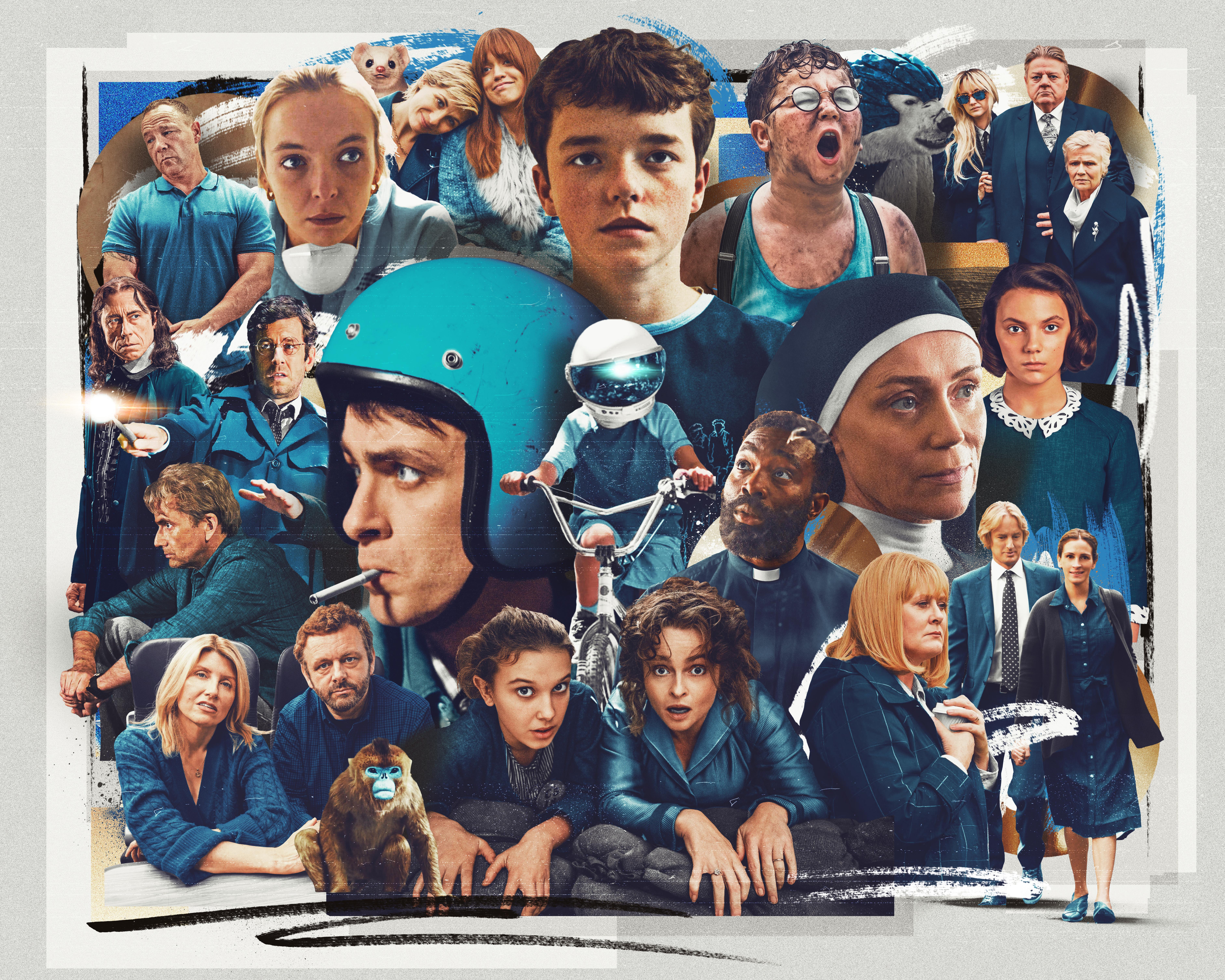
British writer Jack Thorne has launched his new Channel 4 television series, Falling, marking a distinct shift in his extensive portfolio. Starring Keeley Hawes and Paapa Essiedu, the series is Thorne’s first television love story, a project inspired by a news article about a nun and a priest. The narrative mirrors Thorne’s own romantic history with comedy agent Rachel Mason, whose chance meeting with the writer on a train journey eventually blossomed into marriage.
Premiering on 19 May at 9pm, the series features an ensemble cast including Niamh Cusack, Jason Watkins and Adrian Scarborough. Thorne has highlighted the emotional depth of the script, particularly the scenes between Essiedu’s character and his deaf sister, played by Sophie Stone. The dialogue utilises sign language and frank conversation to explore themes of unconditional love and community, reflecting Thorne’s admiration for the fellowship found in religious life and his own upbringing in a household of socialist activists.
Thorne’s career trajectory has been defined by high-profile successes, from co-creating Skins and Shameless to adapting Harry Potter and the Cursed Child for the stage. Most recently, he co-created the Netflix series Adolescence, which has been viewed by 140 million people and won numerous awards. Despite this commercial and critical acclaim, Thorne has decided to step back from domestic broadcaster commissions to manage his workload, stating that his previous pace of work was not healthy.
While he remains under contract for confidential projects with Netflix, Thorne has intensified his activism as president of the Writers’ Guild of Great Britain. He is campaigning vigorously for stronger copyright protections and artificial intelligence regulation, citing government inaction as a significant threat to the creative industries. Thorne recently met with Science Secretary Peter Kyle regarding these plans but reported receiving no follow-up communication, expressing frustration over the lack of a concrete government strategy.
Thorne warns that without sustained investment in emerging talent, the creative industries risk shrinking. He argues that copyright is the defining issue of our time and emphasises the need to support the next generation of artists, rather than simply protecting existing works. He points to the career of Michaela Coel as an example of the kind of sustained investment required to nurture new voices, urging the industry and government to prioritise the development of future talent over short-term shortcuts.