ISS crew shelter in SpaceX Dragon as Zvezda module air leak intensifies
Five astronauts move to safe haven as leak rate doubles; long-standing structural issue prompts collaborative repair strategy
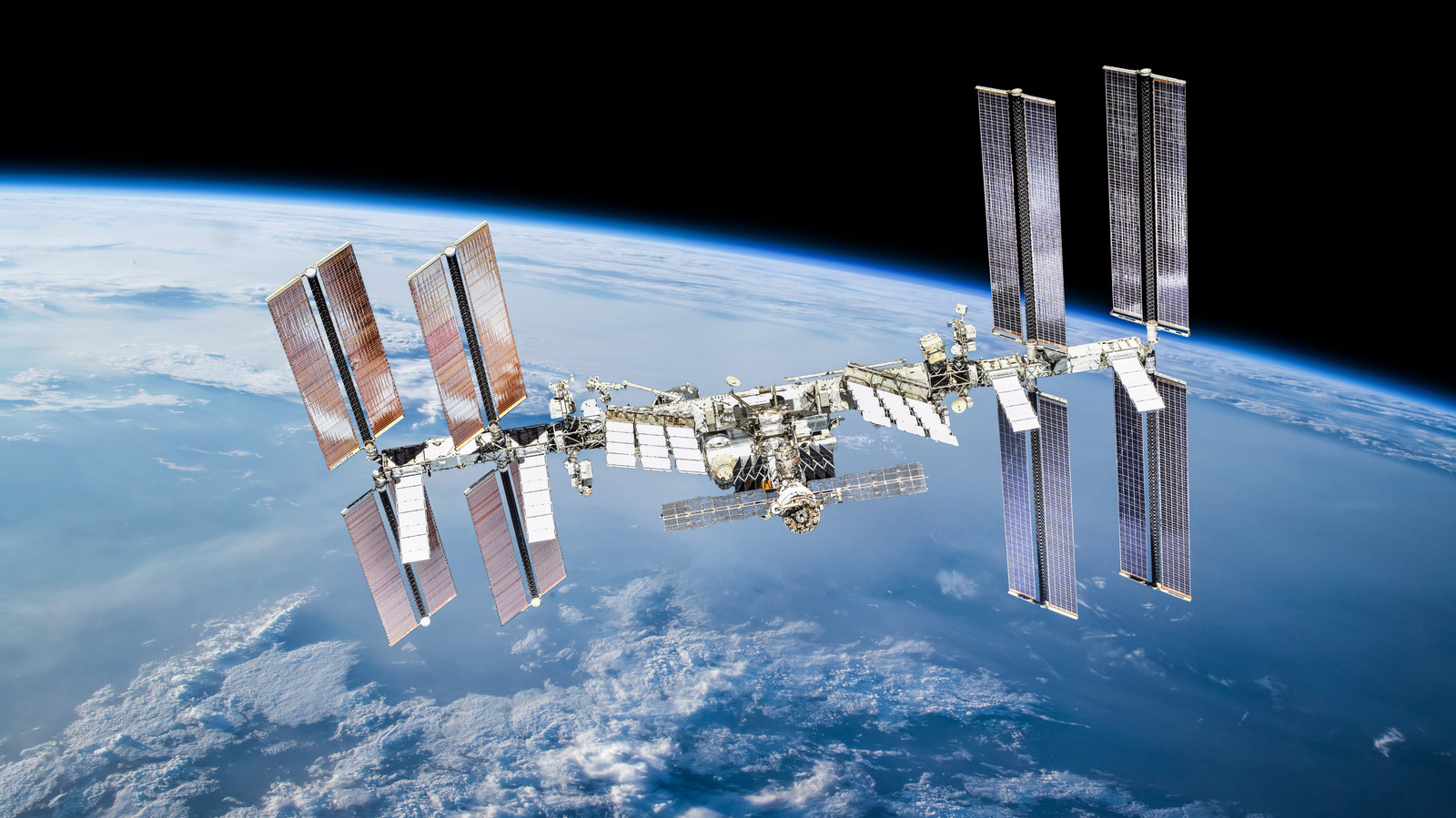
NASA directed five of the seven astronauts aboard the International Space Station to shelter in the docked SpaceX Dragon capsule following the detection of an air leak in the Zvezda service module’s transfer tunnel. The directive, issued as a precautionary measure, affects the four members of the SpaceX Crew-12 mission alongside NASA astronaut Chris Williams.
The shelter-in-place order was triggered after Roscosmos detected that the leak rate had doubled from one pound of air per day to two pounds. The leak originates from cracks in the transfer tunnel, known as PrK, which has been a known issue for approximately six years. While previous patchwork fixes were deemed temporary, the escalation in air loss necessitated immediate safety protocols.
Two Russian cosmonauts initially attempted repairs to the tunnel, but these efforts were subsequently paused pending further data assessment. NASA spokesperson Bethany Stevens confirmed via social media that the repair work was halted to allow for more measurements and data analysis. She noted that the agency looks forward to working with Roscosmos on a collaborative approach to address the leaks.
Operations aboard the International Space Station have since resumed. The station currently hosts ten crew members, and while the shelter-in-place measure was in effect, it was designated as a temporary safety posture rather than a full evacuation. The timeline for lifting the measure or completing permanent repairs remains unknown.
This incident highlights persistent structural concerns with the Zvezda module. NASA has closely monitored the cracks as a recurring issue, with previous mitigation efforts only providing short-term solutions. A more extensive repair mission is anticipated in the future to eliminate the problem permanently, moving beyond the interim fixes that have characterised the module’s maintenance history.
