Israeli opposition seeks diplomatic reset without policy shift
As elections approach, opposition leaders argue a change in personnel could ease international isolation, though experts warn that fundamental stances on Palestinian statehood remain unchanged.
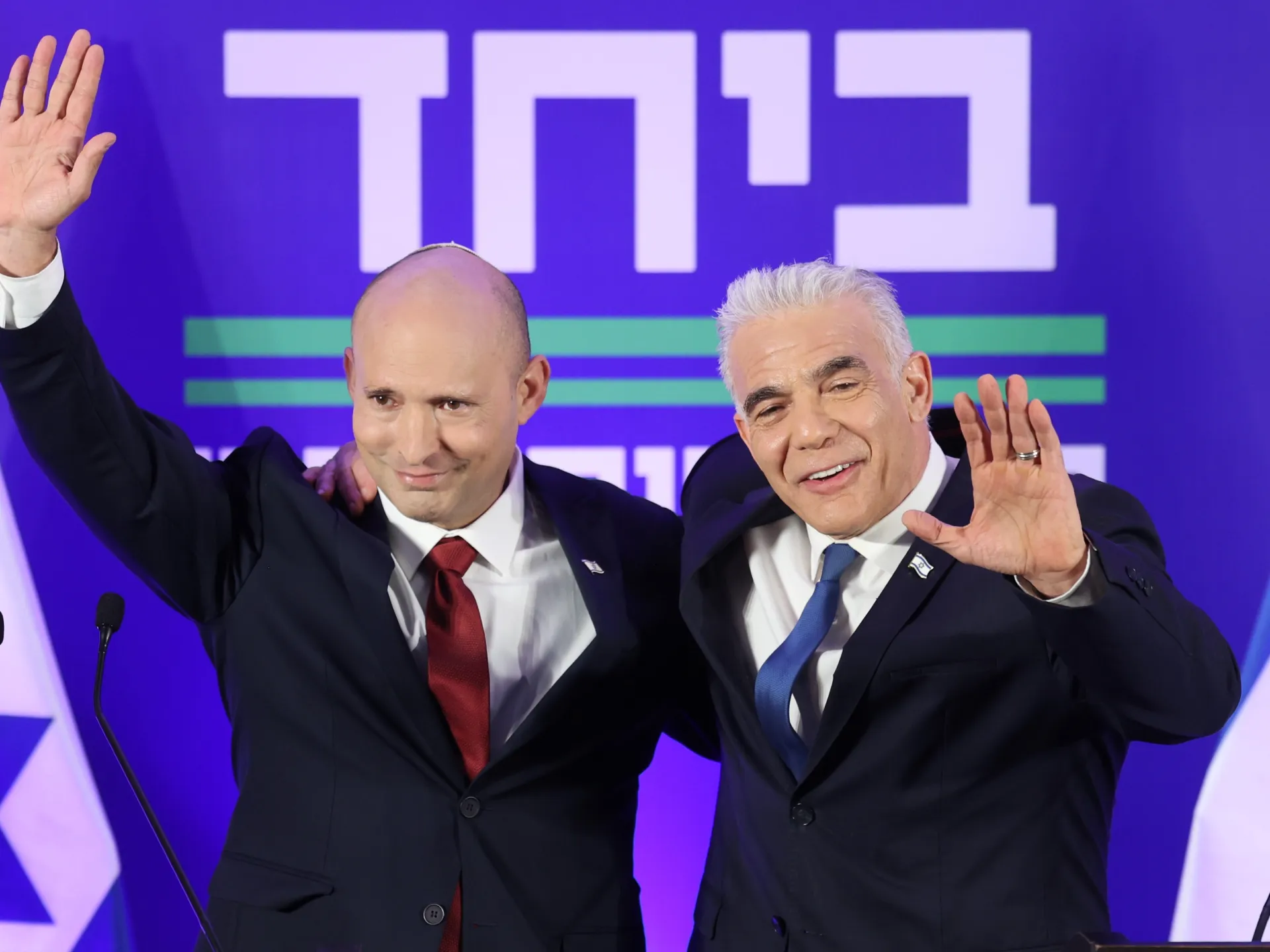
Israeli opposition leaders Naftali Bennett and Yair Lapid have formed a coalition to challenge Prime Minister Benjamin Netanyahu in elections mandated to occur before October 2026. Their primary stated objective is to rehabilitate Israel’s international reputation, which has deteriorated significantly due to the ongoing conflicts in Gaza, Lebanon, and Iran. Despite widespread international condemnation and diplomatic isolation, both leaders have expressed few qualms about Israel’s military actions in these regions, with critics noting they compete on bellicose rhetoric rather than proposing new policies towards Palestinians.
A United Nations commission has determined that Israel has committed genocide in Gaza, where more than 72,000 Palestinians have been killed since 2023. Prime Minister Benjamin Netanyahu is wanted by the International Criminal Court for war crimes. Several European nations, including Spain, Norway, and the Republic of Ireland, have issued strong criticisms of Israel, with growing pressure within the European Union to suspend the bloc’s trade pact with Israel. Polling indicates increasing anger towards Israel across the political divide in the United States, despite the continued public alliance between President Donald Trump and Netanyahu.
Former Prime Minister Naftali Bennett, positioned on the far-right, has framed Hamas as being embedded in civilian infrastructure to justify continued attacks. Political analyst Mitchell Barak suggests Bennett aims to secure President Trump’s support, noting Trump’s unpredictability and aversion to perceived weakness. While Western governments may seek to reset relations with a more 'palatable' leadership, experts warn that long-term isolation will persist without fundamental changes to security doctrines, particularly concerning Palestinian statehood.
Beth Oppenheim of the European Council on Foreign Relations (ECFR) notes that while Western publics are hostile, governments may still seek to reset relations if presented with a more 'palatable' Israeli leadership, provided it does not fundamentally alter security doctrines. However, former Israeli ambassador Alon Pinkas argues that Bennett and Lapid are judged on policy rather than personnel, noting they have not questioned the premise for Israel’s position on Lebanon, the Strait of Hormuz, or Iran.
The opposition’s strategy relies on the assumption that international anger is directed at Netanyahu personally rather than at Israel’s underlying policies. Yet, analysts point out that both Bennett and Lapid have offered few substantive alternatives to the current approach towards Palestinians. Without a fundamental shift in policy, particularly regarding Palestinian statehood, Israel’s long-term isolation is likely to persist regardless of who holds office.