Israeli forces destroy southern Lebanon infrastructure despite ceasefire
Reports indicate a coordinated campaign by Israeli troops to dismantle residential and agricultural assets in southern Lebanon, challenging the durability of the existing truce with Hizbollah.
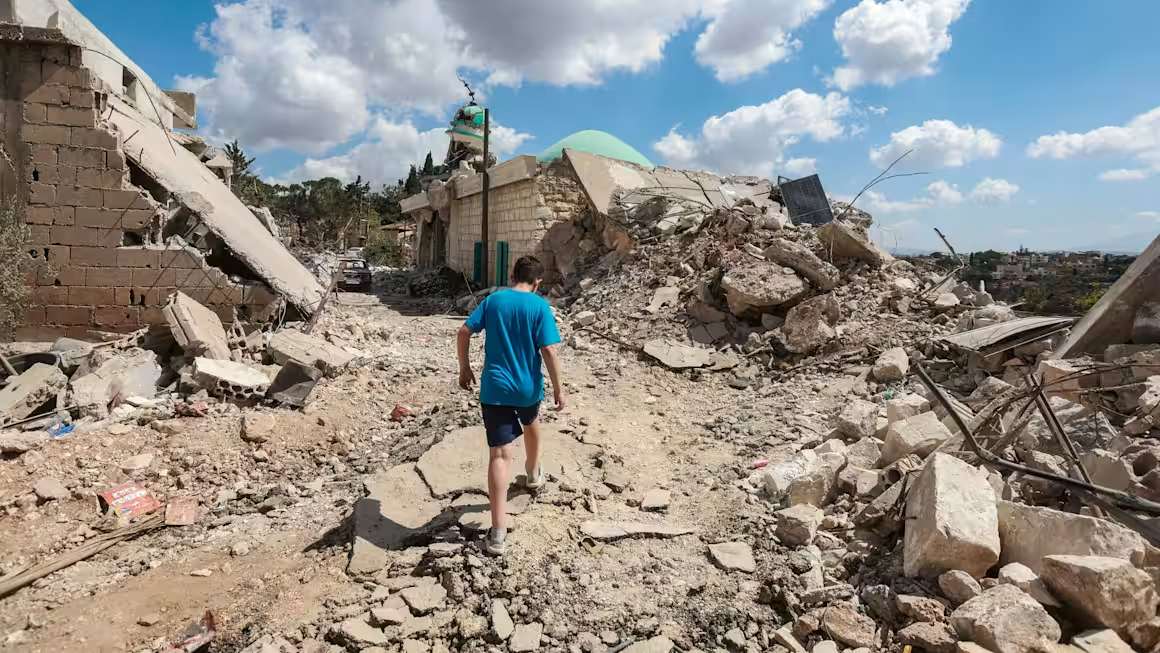
Israeli forces have undertaken a systematic campaign to destroy residential properties, roads, farmland, and forests in southern Lebanon, according to a report by the Financial Times. The widespread demolition of infrastructure and natural assets is occurring despite the existence of a ceasefire agreement with Hizbollah.
The report details the scale of the destruction, noting that the actions extend beyond military targets to include civilian housing and agricultural land. This systematic approach has raised concerns about the intent behind the operations, with observers describing the efforts as an attempt to render the region unliveable.
The destruction of roads and forests further complicates the post-conflict landscape, potentially hindering future reconstruction and economic recovery efforts in the area. The targeting of farmland specifically impacts the livelihoods of local residents and the broader agricultural output of the region.
These developments occur against a backdrop of ongoing regional tensions. While the ceasefire with Hizbollah remains technically in place, the continued destruction of key infrastructure suggests a significant strain on the stability of the truce. The actions by Israeli forces appear to contradict the spirit of the agreement, which was intended to halt hostilities and allow for a return to normalcy.
The Financial Times highlights the discrepancy between the formal ceasefire status and the physical reality on the ground. The systematic nature of the destruction implies a coordinated strategy rather than isolated incidents, pointing to a broader shift in operational objectives in southern Lebanon.
As the situation evolves, the international community and regional actors will likely scrutinise these actions for their implications on future peace negotiations. The damage to homes and infrastructure could have long-lasting economic and social consequences for the affected communities, regardless of the political status of the ceasefire.
The report underscores the fragility of current diplomatic arrangements in the region. The continued demolition of assets in southern Lebanon serves as a stark reminder of the challenges in maintaining peace and stability amidst ongoing military operations.