Israel vows continued strikes as US-Iran peace talks advance
Jerusalem’s commitment to targeting regional and nuclear threats raises concerns over the stability of a proposed US-Iran agreement, even as unrelated tensions escalate in the Caribbean.
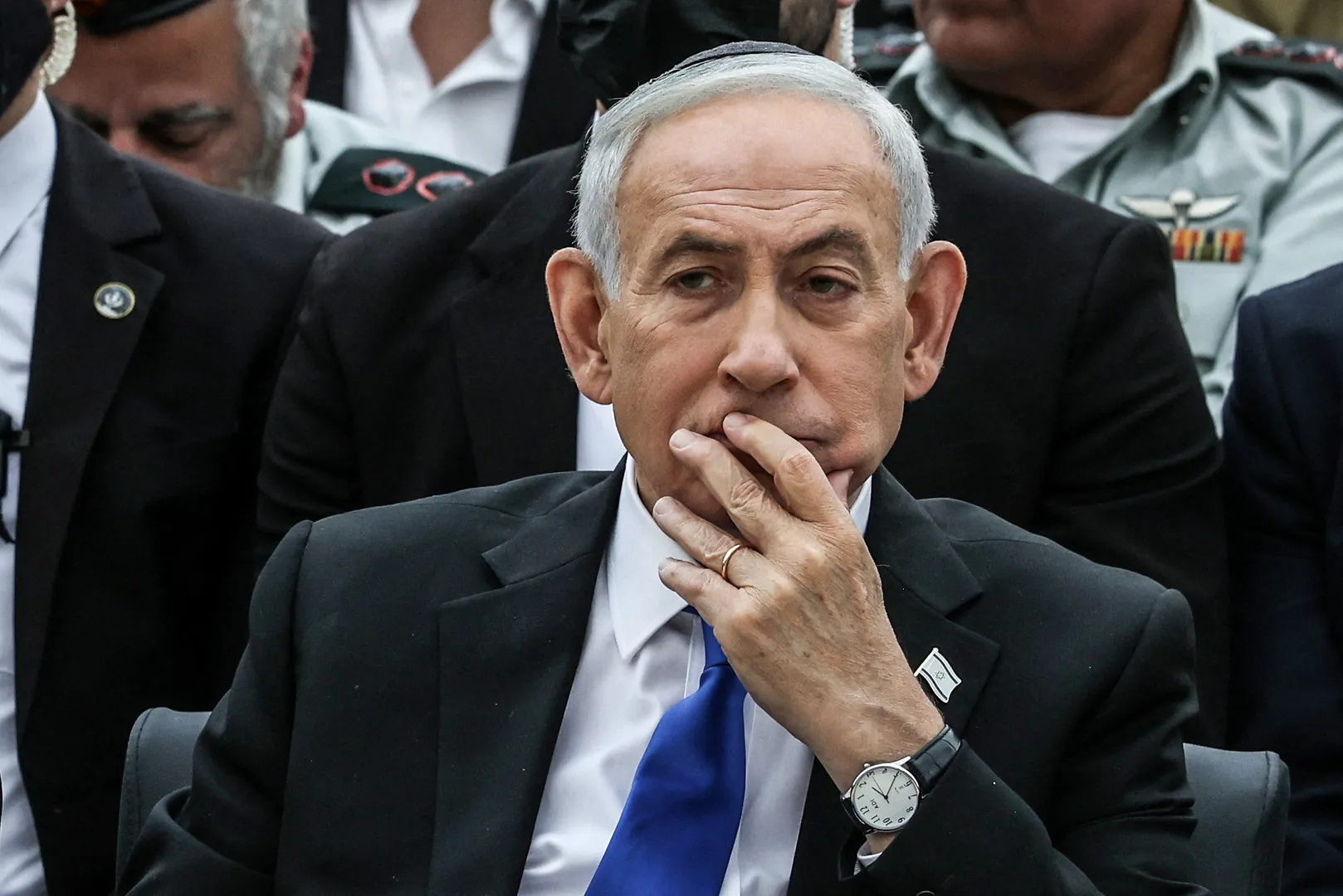
Israel has reaffirmed its intention to maintain military operations against targets it classifies as regional and nuclear threats, despite the United States and Iran moving closer to a comprehensive peace agreement. The Israeli stance has sparked concerns among diplomatic observers that such actions could undermine the delicate negotiations currently underway between Washington and Tehran.
The proposed arrangement between the United States and Iran centres on a 60-day truce, the restoration of shipping lanes in the Strait of Hormuz, partial sanctions relief, and renewed discussions regarding Iran’s nuclear programme. These talks are driven by urgent global economic pressures following the effective closure of the Strait of Hormuz since 28 February 2026 due to regional conflict.
By vowing to continue strikes on what it identifies as existential threats, Israel introduces a variable of uncertainty into the diplomatic process. While the specific details of the peace deal remain under negotiation and are not yet finalised, the continued military activity suggests a divergence in strategic priorities between the parties involved in the talks and those seeking to disrupt them.
The potential for such actions to sabotage the deal remains a subject of intense scrutiny. It is not yet confirmed to what extent Israel’s stated vows will translate into actual military operations that directly disrupt the US-Iuran negotiations, nor how the final terms of the agreement will account for Israeli security concerns.
Separately, tensions in the Caribbean have escalated with the United States imposing new sanctions on Cuba’s intelligence agency and senior officials. This follows reports that Havana has acquired over 300 military drones from Russia and Iran. Cuban President Miguel Diaz-Canel has warned of a "bloodbath" in the event of a US attack, marking a distinct geopolitical flashpoint unrelated to the Middle East negotiations.