Israel strikes Tyre ahead of Washington security talks
New bombardment of the coastal city occurs one day before Israel and Lebanon were due to hold security discussions in the US capital.
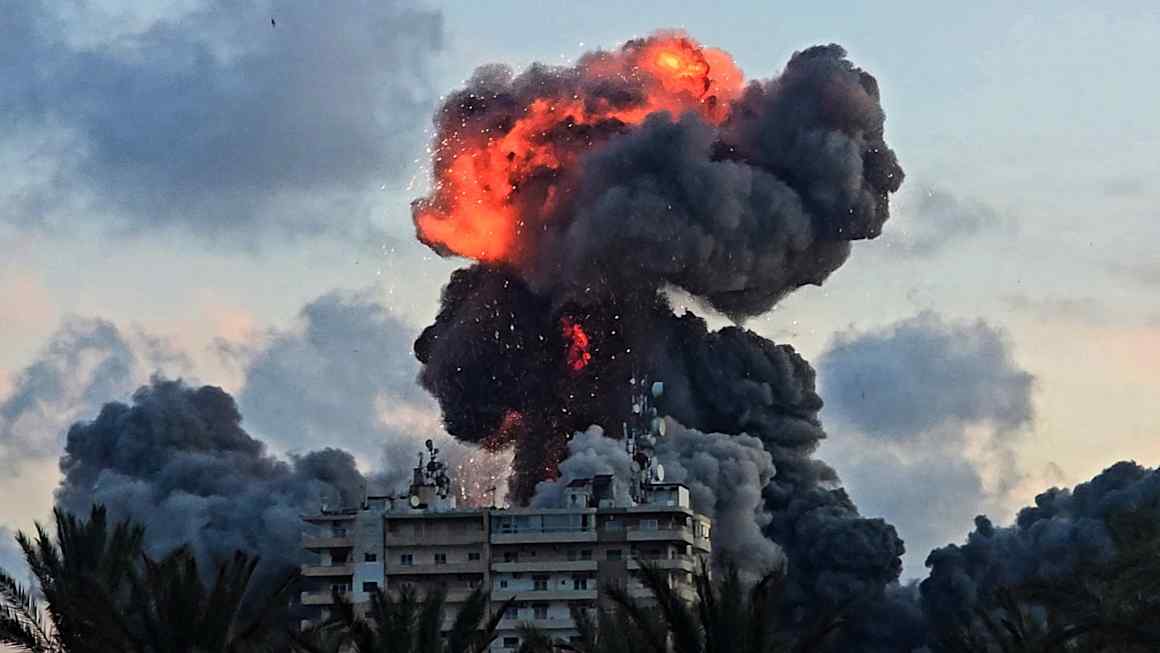
Israel has launched military strikes on Tyre, a city in southern Lebanon, marking a fresh escalation in the region. The attacks resulted in a visible massive fireball rising into the air, according to reports from the Financial Times. The timing of the bombardment is notable, occurring just one day before Israel and Lebanon were scheduled to hold security talks in Washington.
Prior to the strikes, Israel issued a formal warning and declared a new swathe of southern Lebanon a combat zone. The escalation took place against the backdrop of the Muslim holiday of Eid al-Adha and follows a period of significant military activity in the area. The incident underscores the fragility of the security situation in southern Lebanon, where the boundaries of newly declared zones and their legal status under international law require further verification.
Specific details regarding the types of weapons used in the attacks have not been confirmed in the source material. While some descriptions have characterised the strikes as heavy, this qualitative assessment lacks support from specific military terminology or independent confirmation of the ordnance deployed. Similarly, casualty figures and specific damage assessments are not provided in the current reports.
The proximity of the strikes to the scheduled diplomatic engagement in Washington highlights the volatile nature of the conflict. The Financial Times notes that the escalation occurred against the backdrop of the holiday period, adding to the complexity of the regional security landscape. The connection between the military action and the upcoming talks is presented as a temporal coincidence rather than a confirmed causal link.
As the situation develops, the focus remains on the immediate security implications for southern Lebanon and the potential impact on diplomatic efforts. The declaration of new combat zones and the subsequent military actions continue to shape the operational environment in the region, with investors and policymakers monitoring the developments closely.