IrisGo secures $2.8m seed round as AI desktop automation tool goes live
The new desktop companion aims to automate repetitive knowledge worker tasks through on-device learning, with Acer among the first manufacturers to preinstall the software.
IrisGo has launched beta versions of its desktop companion application for macOS and Windows, marking a significant step in the push for proactive artificial intelligence systems. The startup, which recently closed a $2.8 million seed round led by Andrew Ng’s AI Fund, is developing an agent designed to learn user workflows and automate repetitive tasks with minimal human prompting.
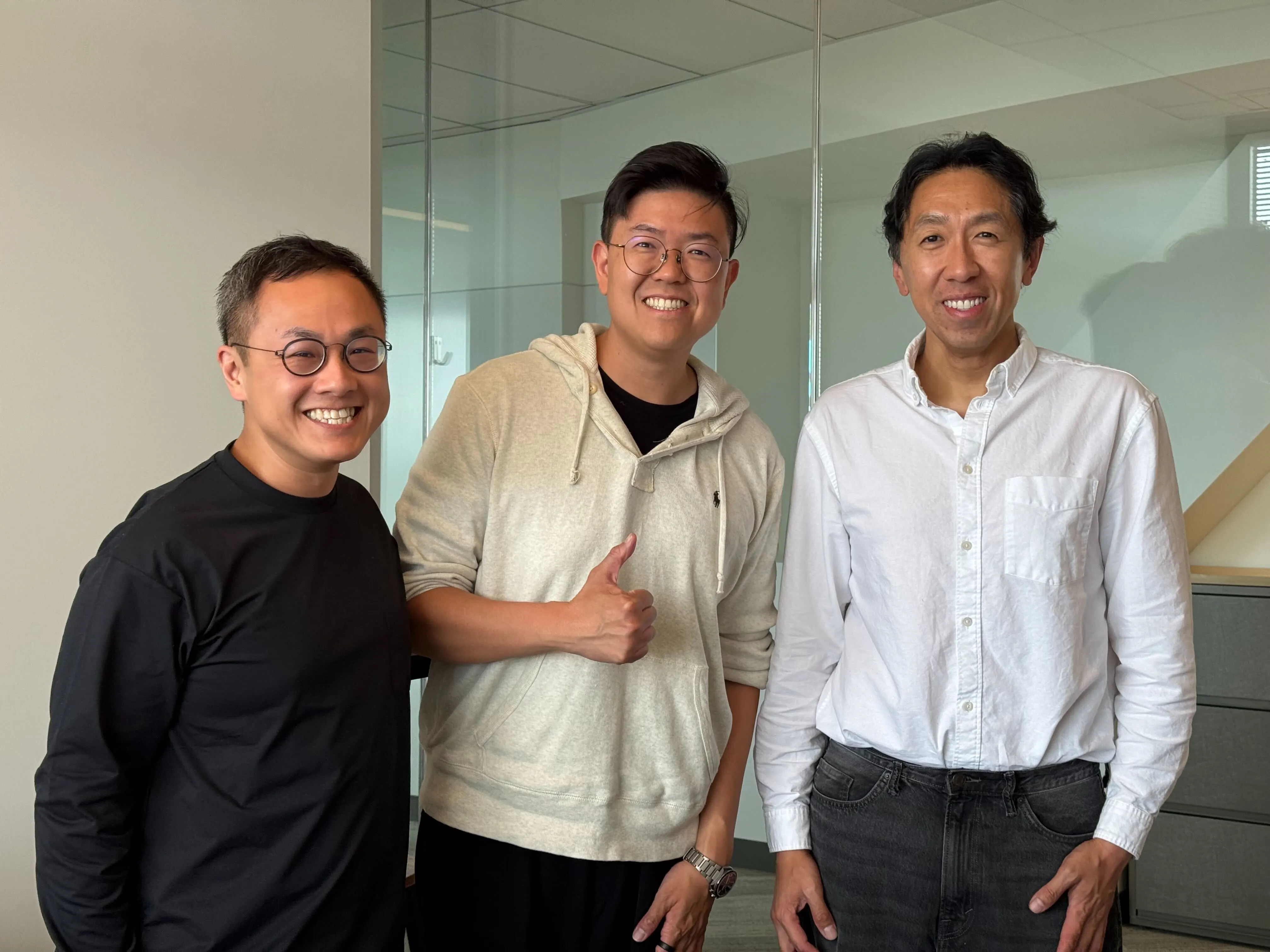
Co-founded by Jeffrey Lai, a former Apple engineer who previously worked on the Chinese language version of Siri, the platform targets knowledge workers in white-collar sectors. The application utilises a hybrid architecture that processes significant data on-device to enhance privacy, while complex tasks are sent to the cloud only with explicit user authorisation and end-to-end encryption.
The system features a built-in skills library for common workflows such as email drafting, invoice processing, and report building. Beyond pre-set functions, IrisGo observes user desktop activity to identify and automate new tasks. During demonstrations, the agent was shown learning to place online orders by recording and replicating user steps, illustrating its capacity to handle clerical duties autonomously.
Investment in IrisGo has been bolstered by prominent industry figures. Lai secured a meeting with Ng, a co-founder of Google Brain, through their shared alumni status at Carnegie Mellon University. Following the demonstration, Ng’s AI Fund led the seed round, with additional backing from Nvidia and Google.
To scale its reach, IrisGo has struck a preinstallation deal with laptop manufacturer Acer. The company is currently pursuing similar agreements with other device makers, aiming to embed its automation tools directly into new hardware. This move aligns with broader industry shifts towards AI-driven personalisation, as seen in recent developments from major tech firms like Google and Apple.