Iraq’s fiscal reserves face strain as Hormuz blockade curtails oil revenues
With oil exports down 97 per cent, Baghdad’s cash flow cannot meet monthly obligations, raising questions about long-term stability and the feasibility of administrative reform.
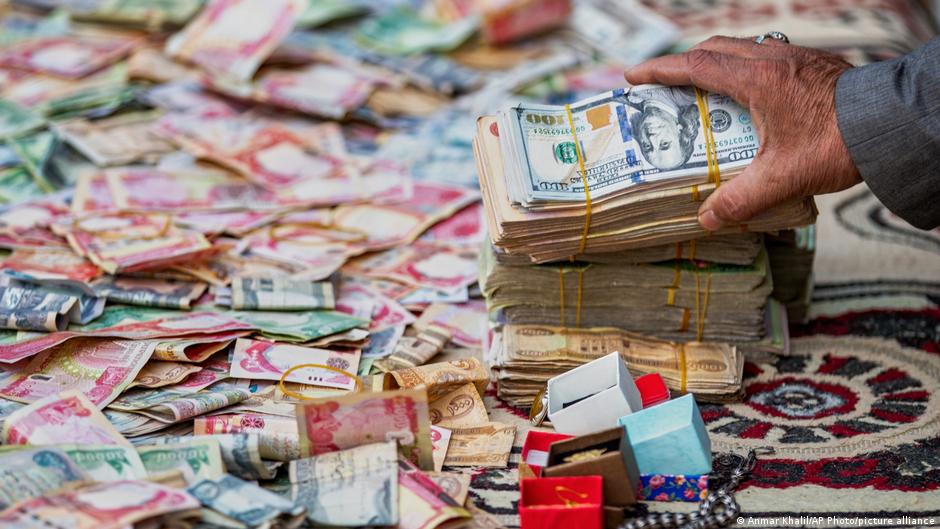
Iraq is confronting a deepening fiscal crisis as the blockade of the Strait of Hormuz severely restricts oil exports, the primary source of revenue for the national budget. With 85 to 90 per cent of state income derived from oil, the disruption has created a significant shortfall in cash flow, leaving the government struggling to meet monthly salary and pension obligations estimated between $6.5 billion and $8.2 billion.
The blockade, a consequence of the ongoing conflict involving Iran, the US, and Israel, has reduced Iraq’s seaborne crude exports by 97 per cent by May compared to the previous year. This collapse in revenue has resulted in delayed payments for public sector employees, a critical demographic comprising approximately two-thirds of the country’s 30 million working-age population. In Mosul, teachers and medical staff have reported delays exceeding 10 days, with some individuals citing increased anxiety over basic living expenses and financial obligations.
In early August, small-scale demonstrations emerged among university staff and employees of the Ministry of Electricity. While the government has denied circulating rumours that salaries would be paid on a 45-day cycle, asserting instead that $83 billion in reserves and gold holdings can cover payments for the next 10 to 11 months, the structural deficit remains acute. Government sources indicated that monthly income in May and June was only between $2 billion and $2.3 billion, far below the required threshold for operational stability.
Efforts to mitigate the impact include reviving a long-shuttered pipeline to Lebanon and seeking special dispensation from Iran to allow oil passage through the Strait. However, analysts warn that these measures may be insufficient. Oxford Economics projects that maritime traffic through the Strait will remain well below pre-conflict norms until at least 2028, suggesting that Iraq’s economy, which is heavily dependent on oil due to a lack of alternative export infrastructure, will face prolonged strain.
Data from Iraqi Horizons highlights the rigidity of the current fiscal landscape, showing that in May, 99 per cent of operational spending was allocated to salaries, pensions, and social security. This leaves minimal funds for other government functions or reforms. Experts note that while the current unrest remains sectoral, a combination of salary delays, electricity shortages, and inflation could eventually coalesce into a broader destabilisation threat, testing the government’s capacity to contain unrest as it did during the 2019-2021 Tishreen protests.