Iraq signs $60 billion US deals to bypass Strait of Hormuz via Syria pipeline
Preliminary agreements with Chevron and Starlink aim to reduce reliance on contested maritime routes, with a US-led consortium set to manage the rehabilitation of the Kirkuk-Baniyas crude oil line.
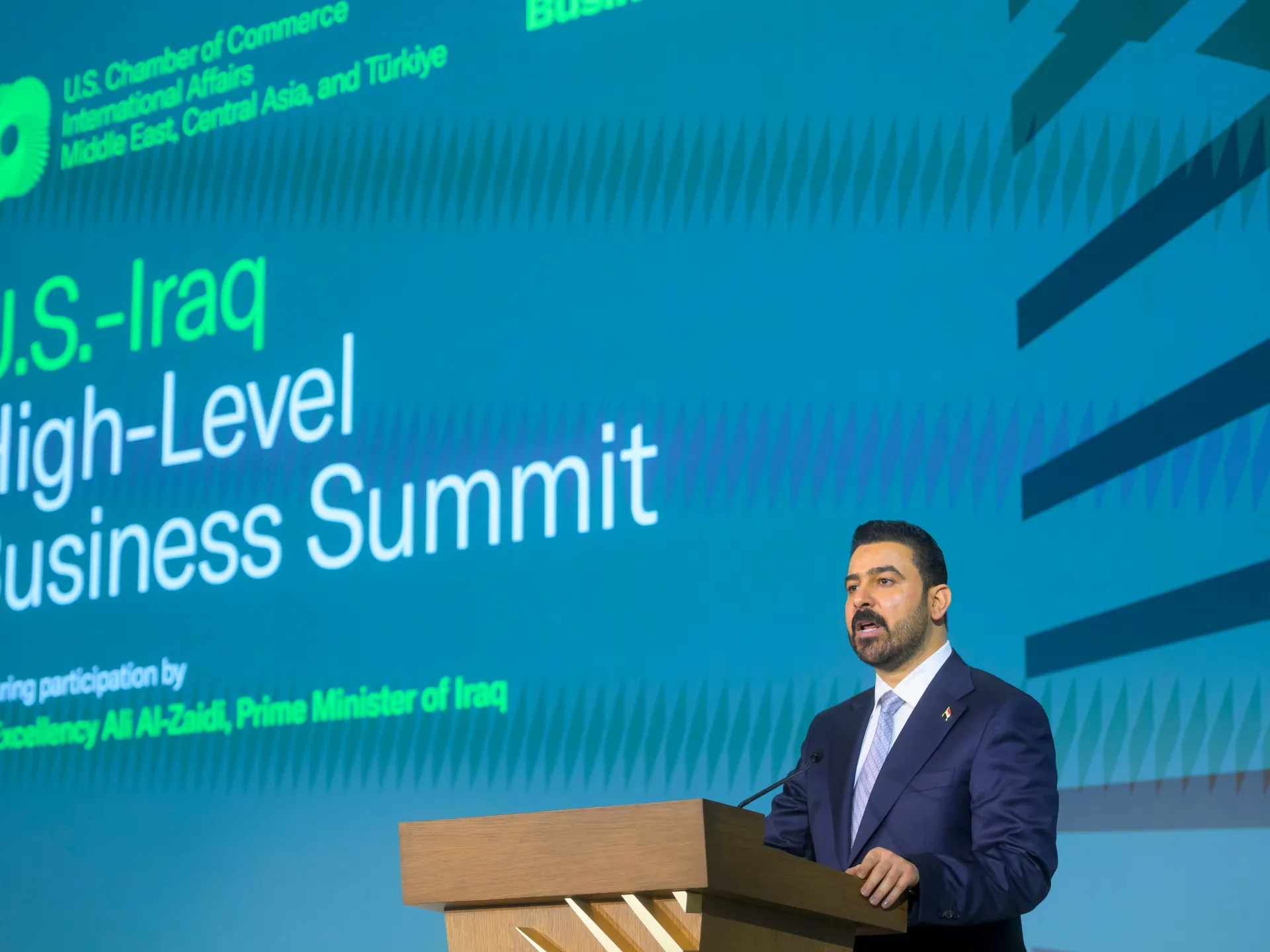
Iraq has entered into dozens of preliminary agreements with Western firms during a US-Iraq business summit held at the US Chamber of Commerce in Washington on Friday. The deals, valued at more than $60 billion across energy, healthcare, and technology sectors, signal a strategic pivot by Baghdad to diversify its export infrastructure and reduce dependence on the Strait of Hormuz. Transit through the strait has faced significant disruption due to the ongoing US-Israel war against Iran, prompting Iraqi officials to seek alternative logistical corridors.
A central component of the agreement involves the rehabilitation of the long-defunct Iraq-Syria crude oil pipeline. Under the terms, Chevron will oversee the project to restore the route running from the oil-rich Kirkuk region in northern Iraq to the Mediterranean port of Baniyas in Syria. The US Department of State confirmed that a “US-led international consortium” would execute the technical and financial aspects of the rehabilitation. Upon completion, the pipeline is expected to have an initial transport capacity of 2 million barrels of crude oil per day.
US Ambassador to Turkiye, Tom Barrack, described the infrastructure project as a critical energy corridor linking Iraqi production to Mediterranean export markets. He stated that the initiative would establish a programme capable of making the Strait of Hormuz “an afterthought” for Iraqi oil exports. The State Department welcomed the cooperation between Iraq and Syria, framing the pipeline as a “groundbreaking project” that enhances regional energy connectivity.
Beyond the pipeline, Chevron signed two additional agreements with Iraq focused on boosting domestic oil production, according to Jake Spiering, the company’s president of corporate business development. These separate deals underscore the broader scope of the energy sector engagement, although specific terms regarding the production increases were not detailed in the source material. The total value of initial agreements with US firms spans multiple industries, including healthcare and technology.
In the technology sector, Iraq signed an official agreement with Starlink, owned by Elon Musk’s SpaceX, to operate formally within the country. Iraqi Prime Minister Ali al-Zaidi emphasised the government’s commitment to foreign investment during the summit, stating that Iraq is employing an “open-door policy” for potential investors. He noted that the government would not make it difficult for entities with viable projects to engage in discussions, aiming to facilitate rapid implementation of the signed deals.