Iran’s currency plunges as US strikes and port blockades escalate Strait of Hormuz crisis
Renewed hostilities between Washington and Tehran, including targeted infrastructure strikes and shipping blockades, have triggered a sharp decline in the Iranian rial while Brent crude oil breaches the $90 per barrel threshold.
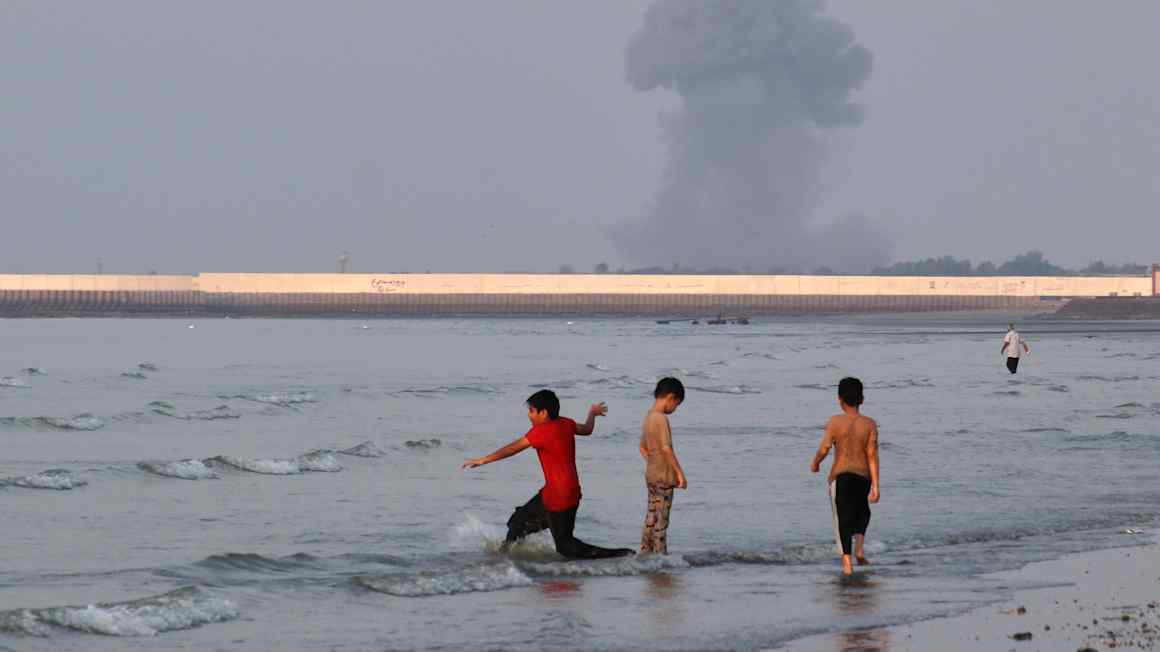
Iran’s currency has suffered a significant decline following the escalation of military hostilities between the United States and Iran. The immediate catalyst for this economic instability is the US imposition of port blockades and targeted strikes on infrastructure, actions attributed to President Donald Trump’s strategy to compel Tehran to alter its stance on the Strait of Hormuz.
Tensions have intensified significantly after President Trump accused Iran of shooting down a US Army AH-64 Apache helicopter over the critical waterway. The US military confirmed a service member was killed in Iraq on Saturday during the controlled detonation of the downed aircraft. President Trump has cited approximately three US service member fatalities in recent days, characterising the recent strikes as an honour to those lost.
In response to the US actions, Iran’s Khatam al-Anbiya command has announced that the Strait of Hormuz is under threat, warning that it will target vessels in the area. This announcement has contributed to the stalling of shipping through the strategic lane, a development that has sent shockwaves through global energy markets.
US Secretary of State Marco Rubio stated that Iran is using the Strait of Hormuz as leverage and called for international pressure to protect global shipping. The uncertainty surrounding the shipping lane has had immediate repercussions, with Brent crude oil prices surpassing $90 per barrel amid the intensifying conflict.
The precise extent of the impact on Iran’s currency markets remains unquantified in available reports, as does the specific duration and scope of the US port blockades. However, the correlation between the escalation of hostilities and the tumbling of the rial is clear, reflecting broader market anxiety over the stability of one of the world’s most vital energy transit routes.