Iran Restores Limited Internet Access After Three-Month Blackout Amid Political Turmoil
Monitoring groups confirm low-level traffic has resumed following a government order linked to President Masoud Pezeshkian, though a High Court challenge casts doubt on the restoration’s permanence.
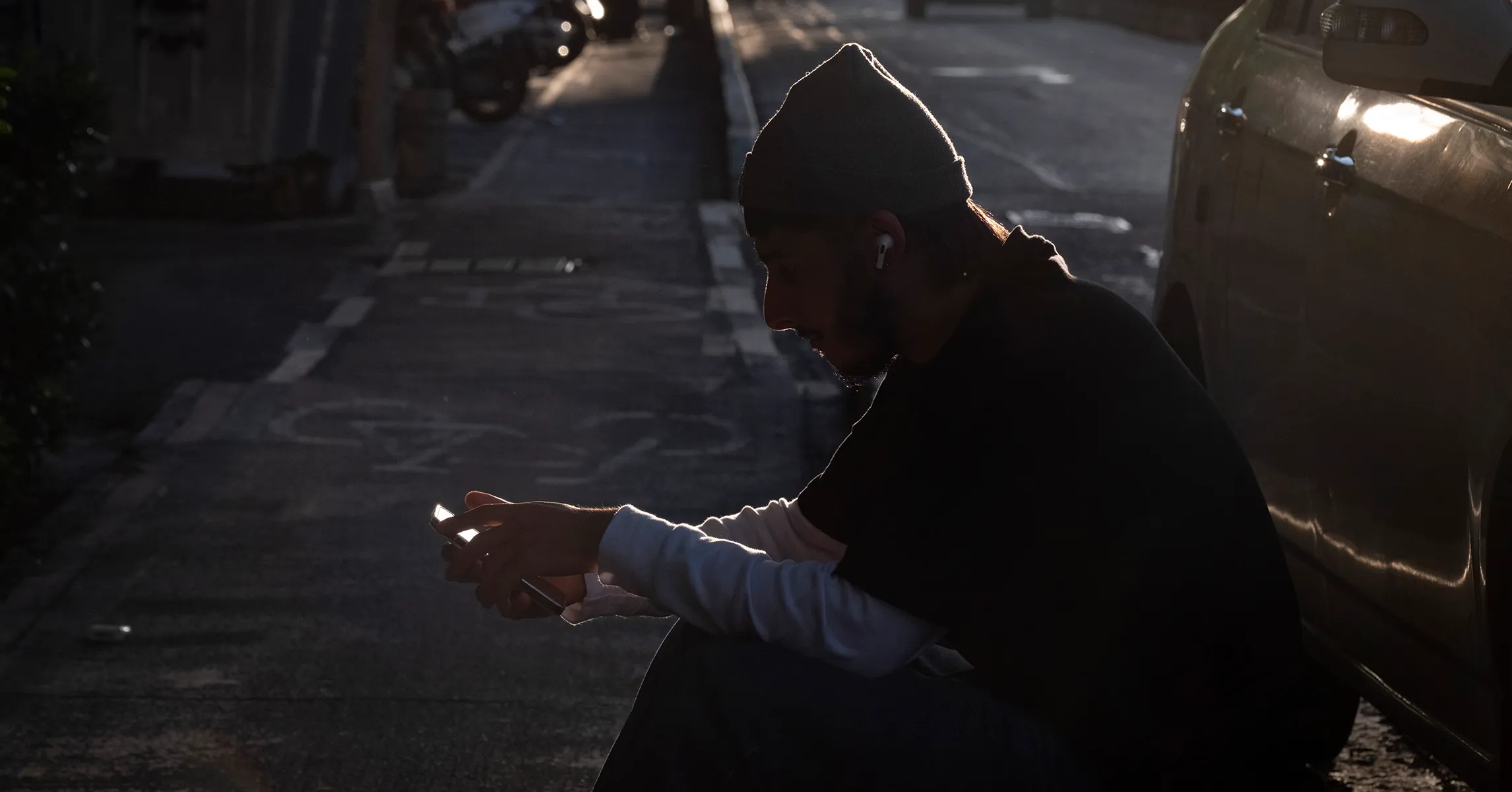
Iran has begun restoring internet connectivity following a government-imposed blackout that lasted more than 90 days, marking the end of a period during which the nation’s more than 90 million citizens were largely disconnected from the global web. The disruption commenced on 28 February 2026, triggered by military attacks from Israel and the United States, following a previous shutdown in January after widespread protests. Monitoring groups including Kentik, NetBlocks, and Cloudflare reported that low-level connectivity returned on Tuesday, primarily affecting fixed-line providers in Tehran, while mobile networks remained largely offline.
The partial restoration was reportedly ordered by the Special Headquarters for Organizing and Governing the Country's Cyberspace, a body associated with President Masoud Pezeshkian. This directive was issued despite a legal challenge lodged in Iran’s High Court against the move. The Iranian communications minister stated that the reconnection would proceed in accordance with the president’s order, confirming that a process was underway to restore connectivity within 24 hours. However, experts caution that the reconnection is likely temporary and significantly below pre-blackout levels, with the situation remaining uncertain amid ongoing negotiations between Iran and the United States.
Amir Rashidi, a cybersecurity expert with the Miaan Group, confirmed that some traffic is returning from Iran. He noted that while some providers have come back online, it is too early to determine the permanence of the connection. Rashidi highlighted the political implications of the High Court’s challenge, suggesting that contesting the president’s order in Iran’s political culture constituted a humiliation of Pezeshkian. He indicated that the outcome of this power struggle would determine whether the restored access endures.
Doug Madory, director of internet analysis at Kentik, provided technical details on the restoration, stating there is not much change for mobile networks. Instead, fixed-line providers have shown the biggest gain, with the Telecommunication Company of Iran’s fiber-optic service around Tehran leading the recovery. Madory warned that it would be optimistic to expect connectivity to return to pre-January 8th levels of access, which were already subject to censorship, and suggested the country may never fully reconnect globally.
The blackout, which lasted over 2,000 hours, left millions unable to contact families and severely impacted the local economy by prohibiting news and video footage from entering or leaving the country. This period of disconnection occurred as the Iranian regime continued to build a national intranet and deploy surveillance-heavy technology to control connectivity. As connection to the outside world hangs in the balance for tens of millions of Iranians, the situation may hinge heavily on precarious negotiations between Iran and the United States.
