Iran rejects US peace overtures as Trump administration pivots to Beijing for leverage
Washington seeks to utilise China's influence to force the reopening of the critical shipping lane, though Beijing's willingness to act as a pressure mechanism remains uncertain ahead of a major summit.
Tehran has issued a definitive statement refusing to capitulate to United States demands, effectively prolonging the ongoing conflict in the Middle East. This hardline stance follows a formal rejection by President Donald Trump of a specific peace counteroffer presented by Iranian officials. The rejection marks a significant escalation in diplomatic tensions, with Iran declaring it will never bow to Washington's pressure.
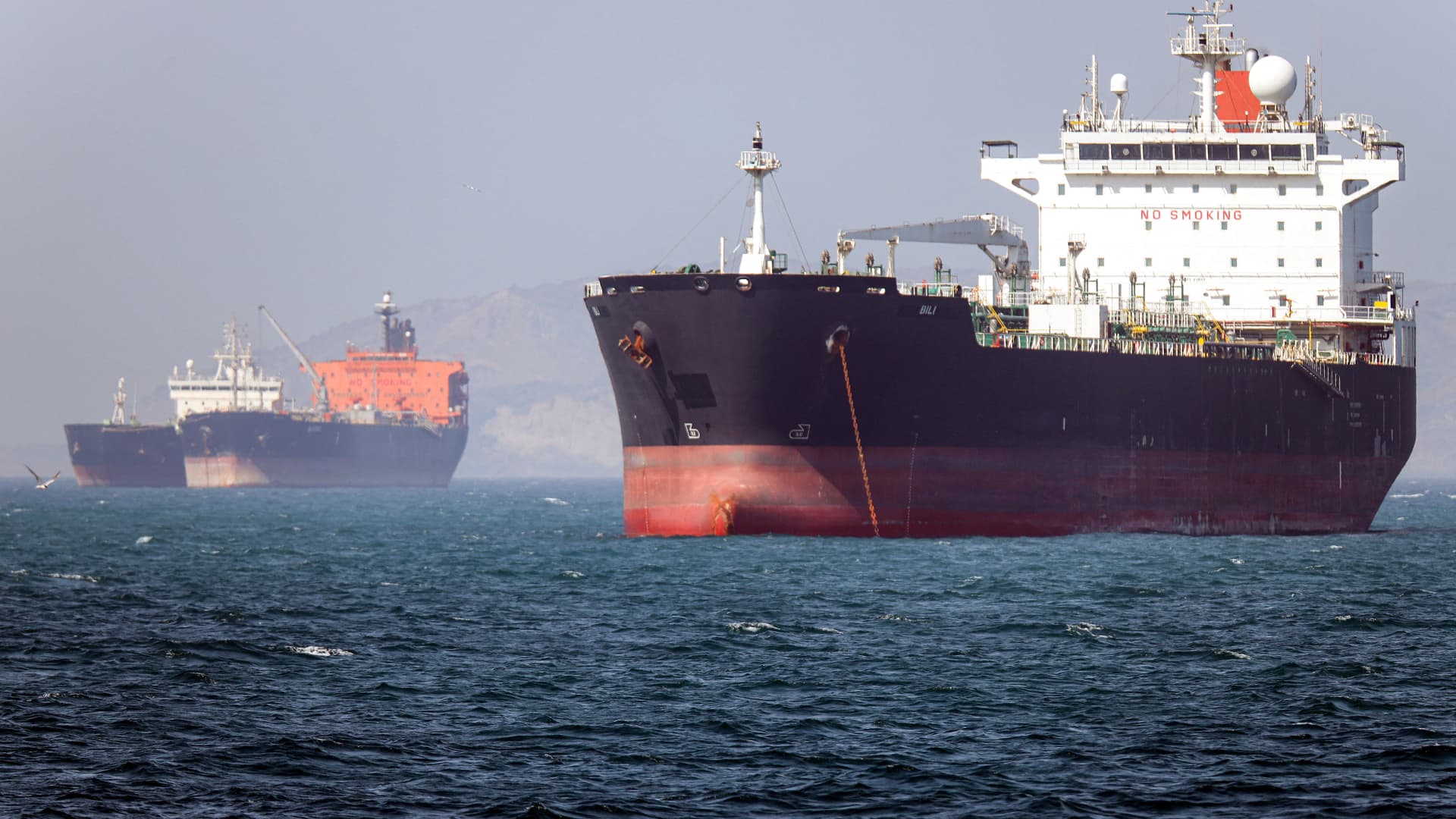
The closure of the Strait of Hormuz remains a central flashpoint, having been enacted by Iran in response to recent military actions by the United States and Israel. As a key artery for global energy transport, the strait's continued blockade poses substantial risks to international trade and financial markets. While the immediate military situation remains volatile, the diplomatic fallout is now driving a new strategic initiative from the White House.
In an effort to resolve the impasse, the Trump administration has actively sought to engage Beijing to act as a pressure mechanism on Tehran. Washington is urging China to leverage its economic engagement with Tehran, specifically concerning the purchase of Iranian oil and potential dual-use military-civilian goods, to compel the reopening of the waterway. US Treasury officials have reinforced the stance that China is funding Iran's activities, prompting this high-stakes diplomatic push.
Despite hosting Iranian Foreign Minister Abbas Arraghchi, China has maintained a distinct foreign policy position by refusing to recognise US unilateral sanctions on Iran's oil sector. While Beijing has expressed a desire for the conflict to end, its refusal to align with Washington's sanctions regime complicates efforts to force a resolution. This divergence in policy highlights the limitations of using economic leverage against a nation that prioritises its own strategic interests over US-led initiatives.
The urgency of the situation is underscored by the scheduling of a two-day summit between President Trump and President Xi Jinping in Beijing, commencing on 14 May. The Iran situation has been identified as a primary agenda item for this high-level engagement between the two major global powers. A senior administration official has confirmed that President Trump intends to apply direct pressure on Beijing regarding its economic ties with Tehran during the talks.
However, the efficacy of China's willingness to act as a pressure mechanism on Tehran remains unclear. The extent to which the upcoming summit will result in concrete diplomatic breakthroughs regarding the Strait of Hormuz is currently unknown. As the world waits for outcomes from the Beijing talks, the prolonged conflict continues to cast a long shadow over regional stability and global energy security.