Iran holds Strait of Hormuz talks with Saudi Arabia and Oman as Trump praises diplomacy
Tehran’s foreign ministry engaged counterparts from Riyadh and Muscat on the strategic passage, while US President Donald Trump characterised the negotiations as “good” amid a volatile regional backdrop.
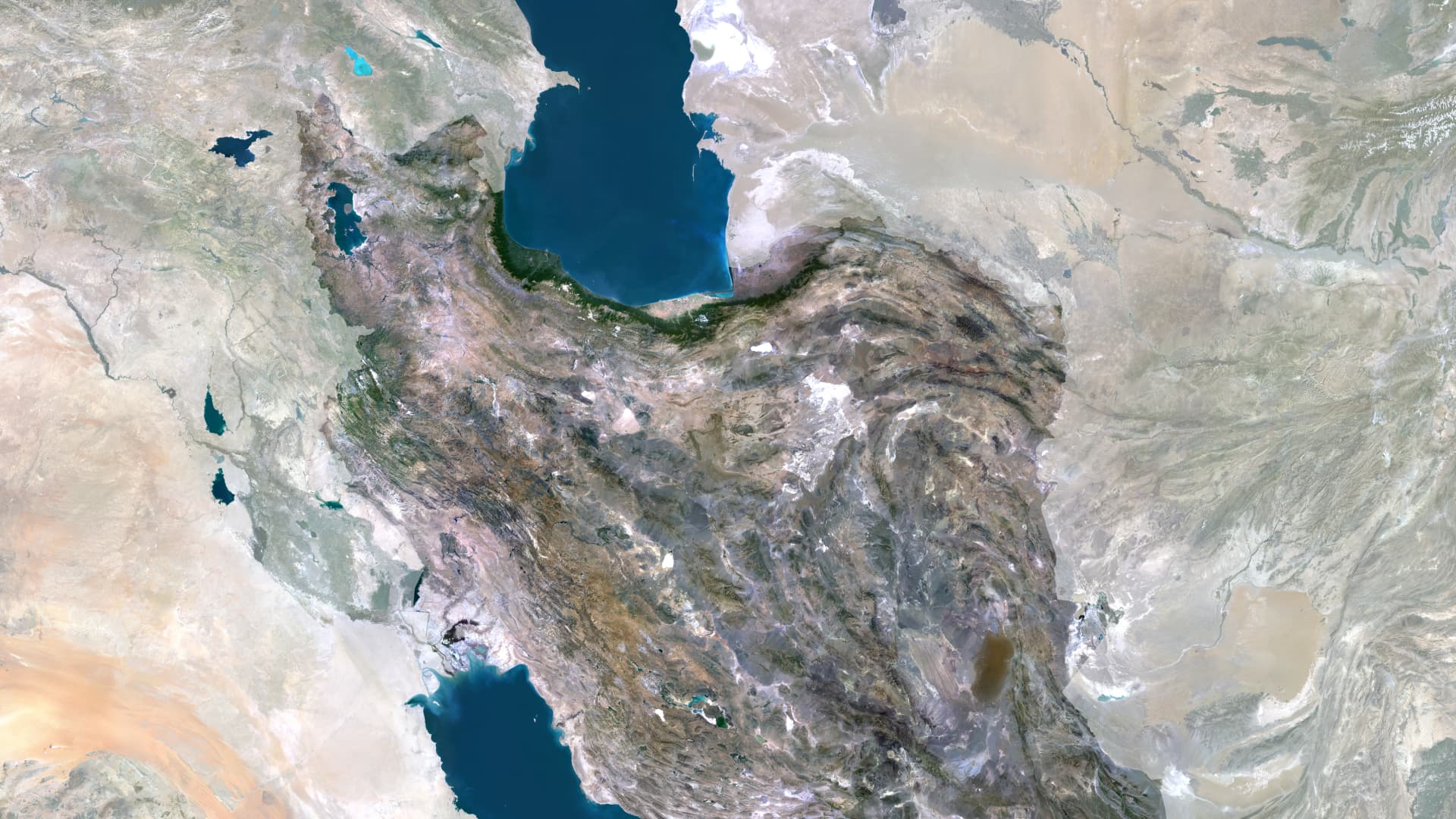
Iran’s foreign ministry has held discussions with counterparts from Saudi Arabia and Oman regarding the strategic importance and operational status of the Strait of Hormuz. The talks, which focus on the vital maritime passage for global energy transit, are being facilitated through third-party intermediaries rather than direct negotiations between the United States and Iran.
US President Donald Trump publicly described the diplomatic engagements as “good talks”. This assessment comes as negotiations reportedly cover two primary areas: securing agreements to restart navigation in the Strait and addressing Iran’s nuclear development programme. The diplomatic activity follows a meeting in Beijing between President Trump and Chinese President Xi Jinping, where trade, artificial intelligence, and Strait security were also discussed.
The current diplomatic efforts occur against a backdrop of heightened military tension in the region. On Monday night, a US Army AH-64 Apache helicopter was reportedly shot down over the Strait of Hormuz. On Tuesday, President Trump issued a statement accusing Iran of the downing and vowing a necessary response to the incident.
Conflicting narratives regarding the waterway’s status have complicated the information environment. Iranian authorities have asserted a total closure of the Strait, while US Central Command has denied this claim, stating that commercial ships continue to transit the route. This discrepancy highlights the volatile nature of the current geopolitical landscape and the challenges in verifying operational realities on the ground.
The precise outcomes or specific agreements reached during the Iran-Saudi-Oman discussions are not detailed in available reports. Similarly, the exact nature of the “good talks” praised by President Trump remains unspecified. The diplomatic process continues to rely on intermediary nations to bridge gaps between the major powers involved.