Iran hardliners demand maximalist terms in US talks, criticising negotiators
Influential factions within Iran’s political establishment are exerting pressure on current negotiators, rejecting compromise in favour of maximalist demands as tensions with Washington persist.
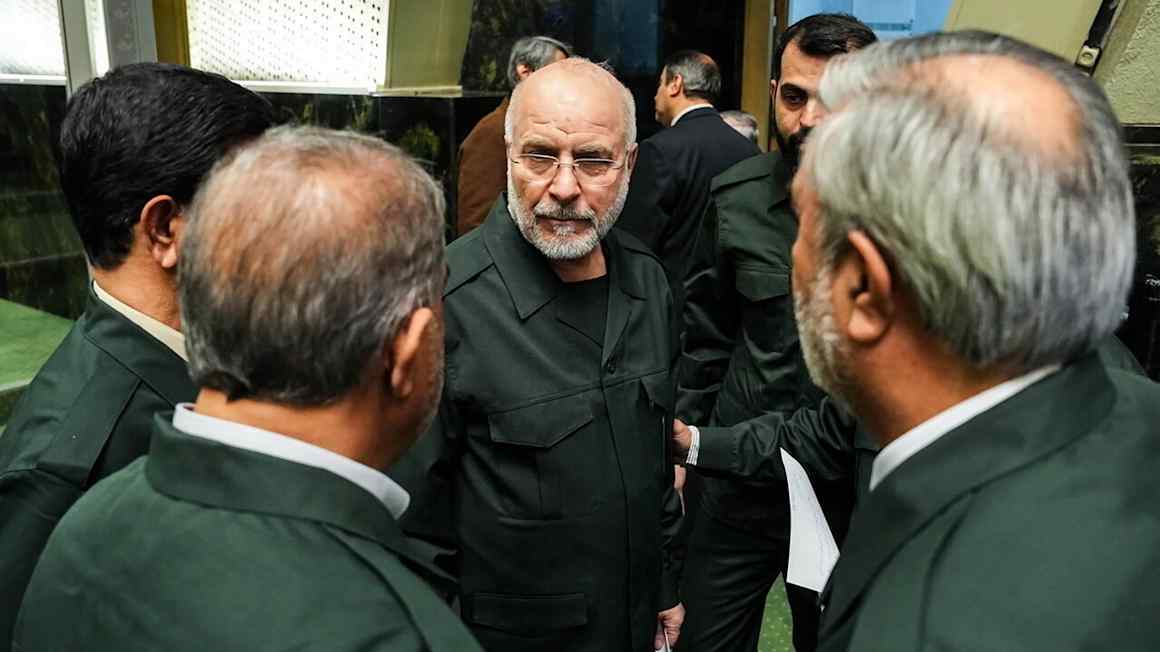
Influential conservative lawmakers in Iran have publicly criticised the current team of negotiators, insisting that Tehran adhere to maximalist terms for ending the conflict with the United States. This internal dissent highlights the growing friction between hardline factions and the diplomatic corps attempting to engage with Washington, as the government faces pressure to define a clear path forward in its ongoing standoff.
The criticism comes from a faction of ultra-hardline and conservative legislators who are demanding that any future negotiations meet strict, non-negotiable conditions rather than seeking compromise. These lawmakers are urging the government to maintain a confrontational stance, rejecting any approach that they perceive as yielding ground to American demands. The specific identity of the lawmakers leading this criticism has not been detailed in available reports.
The term "maximalist terms" in this context refers to demands that typically include the lifting of all sanctions, guarantees on nuclear programme rights, and security assurances. These conditions are widely viewed as non-starters for the US administration, suggesting that the lawmakers’ position may further complicate diplomatic efforts. The precise nature of these demands has not been explicitly listed in the source material.
This internal political struggle occurs against a backdrop of heightened global attention on Middle East stability, particularly regarding trade routes such as the Strait of Hormuz. Recent high-level diplomatic engagements between US and Chinese leaders in Beijing have placed additional focus on regional stability and trade, with topics including artificial intelligence and trade on the summit agenda.
It remains unclear whether this internal dissent has any immediate impact on the official negotiating position or if it is primarily rhetorical. The current status of active negotiations between Tehran and Washington is not specified, and the influence of these lawmakers may be limited by the ultimate authority of the Supreme Leader. The criticism underscores the complex domestic political landscape that shapes Iran’s foreign policy decisions.