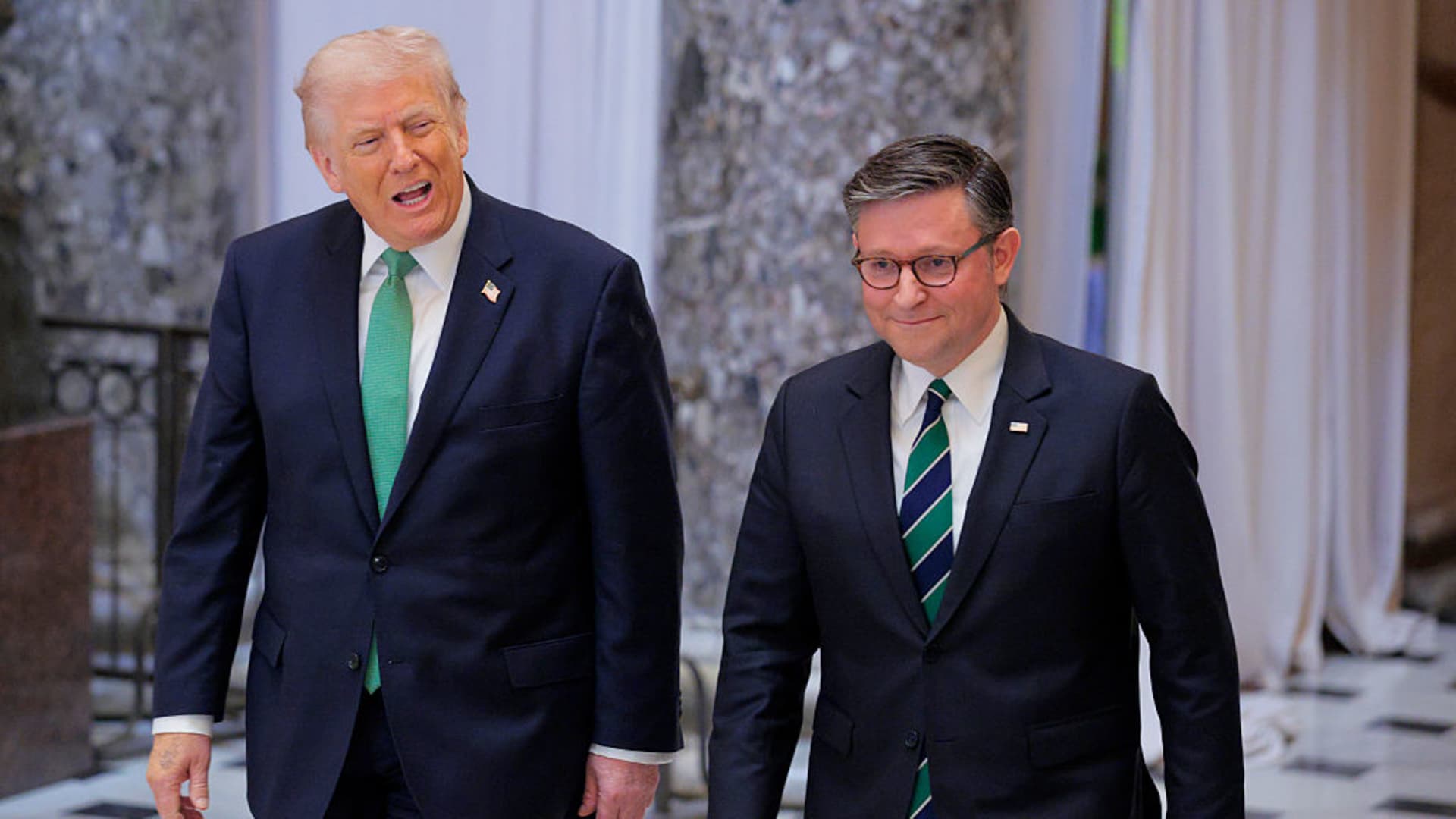
Iran halts military operations against Israel following first direct exchange since April ceasefire
The announcement comes after a reciprocal exchange of fire on Sunday night, marking the first direct military engagement between the two nations since the April 2026 agreement.
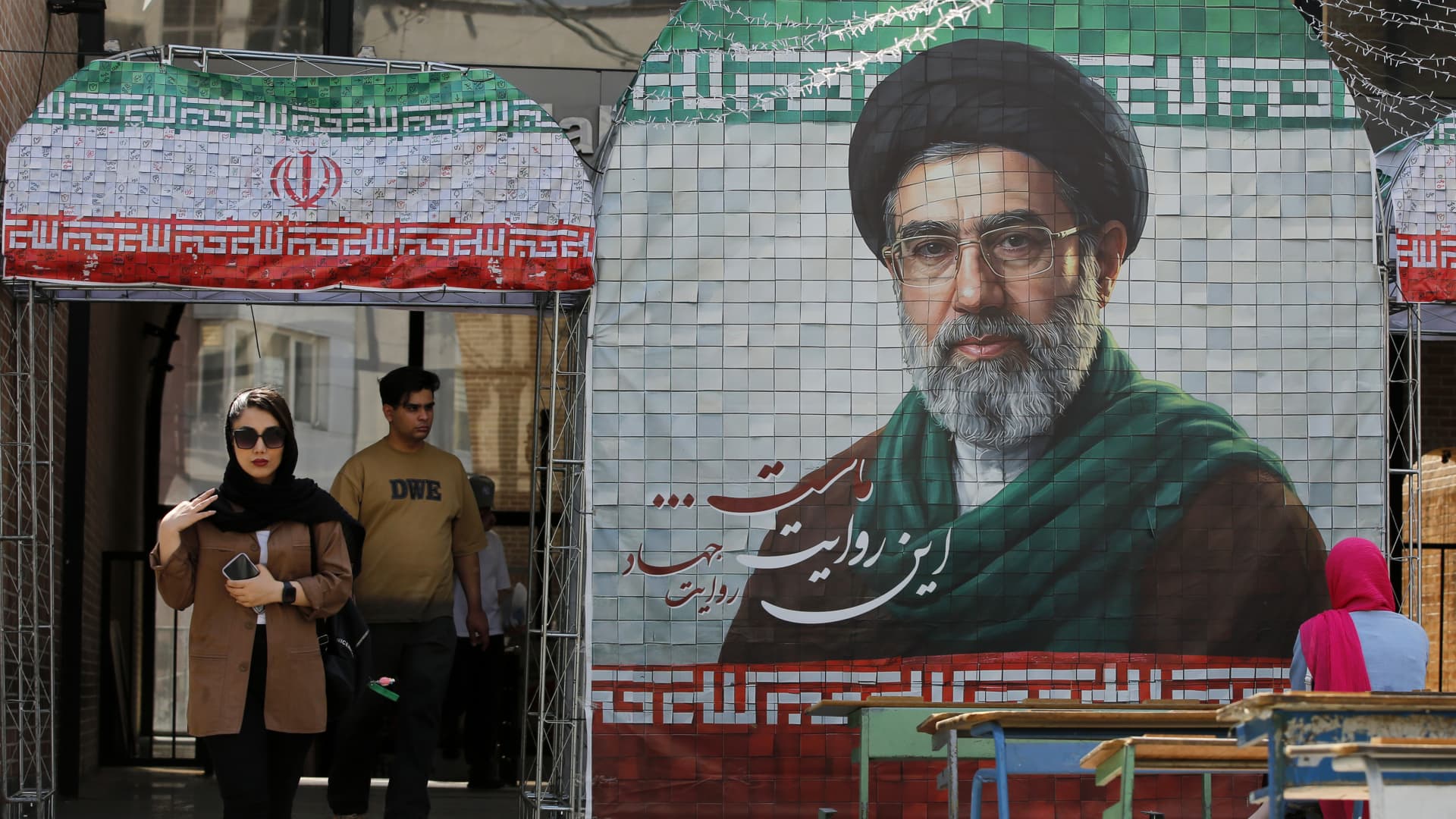
Iran has announced the cessation of military operations against Israel, ending a brief but significant escalation that threatened to unravel the ceasefire established in early April 2026. The declaration follows a reciprocal exchange of strikes on Sunday night, representing the first direct military engagement between the two nations since the truce was agreed upon.
The announcement introduces fresh volatility to an already fragile diplomatic arrangement. Iranian officials have issued a stern warning that any Israeli strikes on Lebanon could trigger further escalation, complicating efforts to maintain regional stability. This conditional halt to operations underscores the precarious nature of the current peace, with policymakers and markets closely monitoring for signs of de-escalation or renewed conflict.
Tensions had been simmering since late May 2026, when Israel conducted an attack on Beirut’s southern suburbs, resulting in two deaths and 20 injuries. In response, Iranian forces launched a barrage of missiles at northern Israel, an attack that Israeli officials attributed to Hezbollah positions in the southern suburbs of Beirut. The subsequent exchange of fire on Sunday night disrupted the relative calm that had held since the initial agreement.
Diplomatic channels remain active as international actors attempt to stabilise the situation. Iranian Foreign Minister Abbas Araghchi held discussions on Sunday with counterparts from Britain, France, Turkey, Qatar, and Pakistan regarding ceasefire violations. However, the immediate outcomes of these talks have not yet been reported, leaving the diplomatic landscape uncertain.
In retaliation for the Iranian missile barrage, Israel conducted strikes early on Monday against military targets in western and central Iran. Explosions were reported in Tehran, Tabriz, and Isfahan, while Iran's Revolutionary Guards targeted the headquarters of "terrorist groups" in Sulaymaniyah, Iraqi Kurdistan. The exact timing and scale of these latest strikes remain unspecified, leaving investors and policymakers to watch for further developments.