Iran fires missiles at Israel, jeopardising US-Iran ceasefire
The Israel Defence Forces confirmed interception of Iranian ballistic missiles on 7 June, following an Israeli strike in Beirut that killed two people. The escalation threatens the fragile ceasefire between the United States and Iran, coinciding with high-level trade talks in China.
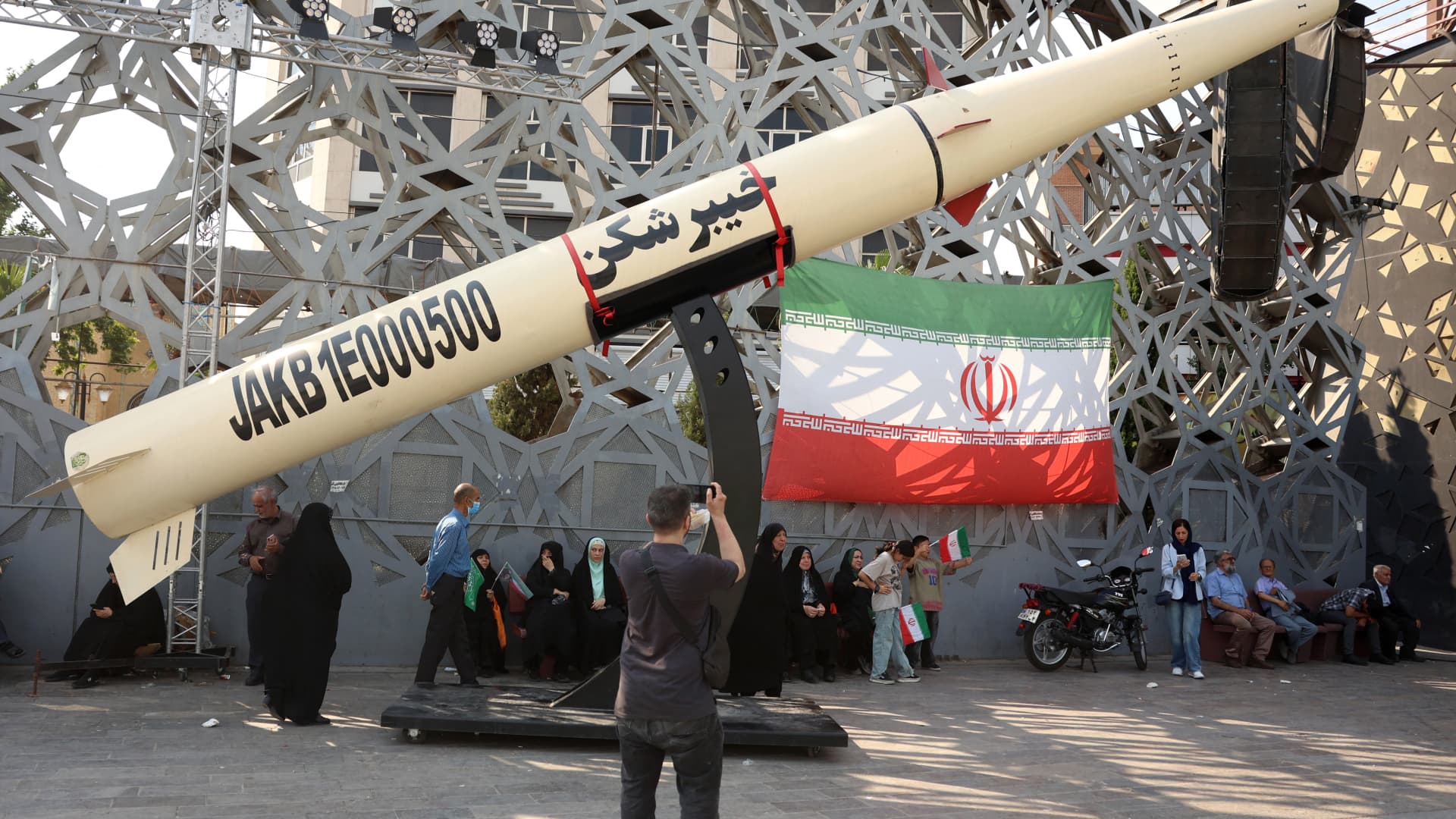
Iran has reportedly launched ballistic missiles at Israel, marking the first direct bombardment between the two nations since a fragile ceasefire took effect in early April 2026. The Israel Defence Forces (IDF) confirmed the missile launch shortly after 10:00 pm local time on 7 June, stating that Iranian ballistic missiles were intercepted. Iran’s Revolutionary Guards identified the Ramat David air base as the intended target.
The attack occurred shortly after Israeli airstrikes targeted buildings in Beirut’s southern suburbs, known as Dahiyeh. Israel stated that the strike targeted Hizbollah, resulting in two deaths and 20 injuries. This incident marks the first direct exchange of fire between Iran and Israel since the April ceasefire ended a period of relative de-escalation, introducing significant geopolitical risk amid broader tensions.
The breakdown of the truce occurs as US President Donald Trump and Chinese President Xi Jinping commence a two-day summit in Beijing. The agenda covers trade, artificial intelligence, and the Strait of Hormuz. Attendees at the summit include US CEOs Elon Musk, Tim Cook, and Jensen Huang. The summit marks the first visit by an American president to China since 2017.
US stock markets rose on Thursday ahead of the summit, with the Dow Jones Industrial Average gaining 0.8%, the S&P 500 rising 0.3%, and the Nasdaq Composite climbing 0.2%. Nvidia shares surged more than 2% following news that the US approved H200 chip sales to Chinese firms. The timing of the missile launch, approximately 4:00 am Japan Standard Time, coincides with these market movements and diplomatic developments.
The ceasefire between the United States and Iran has been in place since early April, aiming to stabilise the region. However, the current escalation jeopardises this arrangement. The incident highlights the volatility of the geopolitical landscape, with implications for global markets and trade relations as major powers navigate complex diplomatic and economic agendas.