Iran exploited telecom flaws to track US forces, report finds
New reporting reveals Tehran used global network weaknesses to target US military personnel during the early stages of the Iran War, causing injuries at bases and hotels.
The Iranian government exploited well-known vulnerabilities in global telecommunications infrastructure to locate US military personnel in the Middle East, according to reporting by The Financial Times. The surveillance campaign, which relied on flaws in the Signaling System 7 (SS7) protocol and advertising technology, occurred during the build-up to the Iran War and continued into its early days.
SS7 serves as the backbone for how cellular networks connect to route subscribers’ calls and texts globally. Intelligence agencies have long abused these protocols to track cellphones abroad, and this instance involved Iran leveraging those same technical weaknesses. The report cites research by the Mobile Surveillance Monitor and anonymous government officials with knowledge of the spy campaign to substantiate the claims.
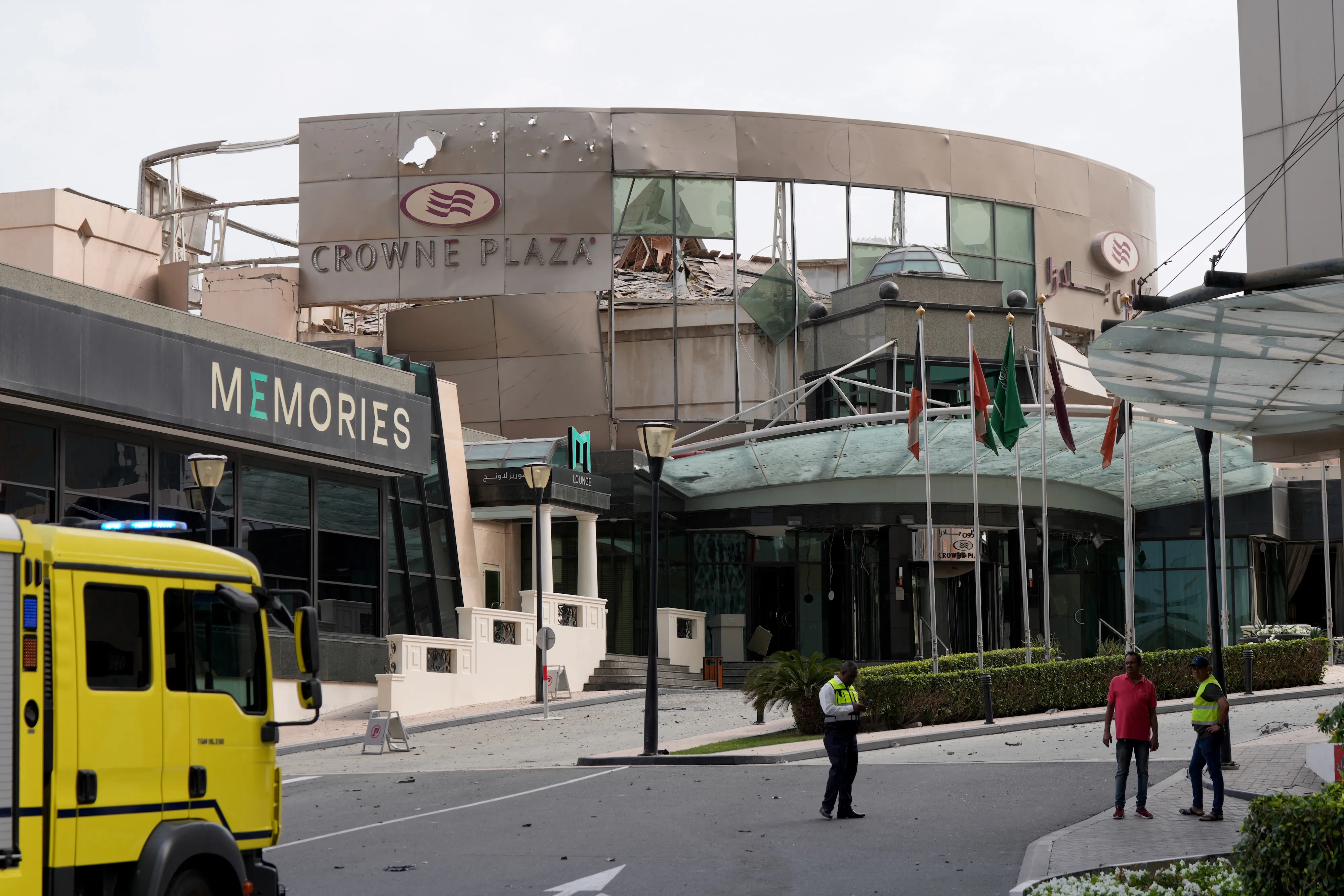
Beyond SS7, Iranian forces also utilised advertising technology designed to serve tailored ads to cellphone users. This method, another well-known surveillance technique relying on everyday technology, allowed Tehran to pinpoint the location of US troops. The intelligence gathered enabled Iranian forces to strike US military personnel stationed in military bases and hotels in Iraq, Bahrain, and other regional countries.
These targeted attacks resulted in several injuries to US personnel, highlighting the tangible operational risks posed by these digital vulnerabilities. The exploitation of these networks provided a critical advantage to Iranian forces, allowing them to identify and engage US assets that were previously thought to be secure within fortified locations.
The revelation comes amidst a broader and escalating conflict in the region. US forces recently launched a bombing raid on Iran, hitting the country with 49 Tomahawk missiles. In response, Israel has conducted strikes on military targets in western and central Iran, including Tehran, Tabriz, and Isfahan, while Iran has fired missiles at Israeli targets in retaliation for attacks on Beirut’s southern suburbs.
Tensions have further escalated regarding maritime chokepoints, with Iran’s Khatam al-Anbiya command announcing on Thursday that the Strait of Hormuz was closed to all vessel traffic. However, US Central Command has denied the closure, stating that commercial ships continue to transit the waterway despite Iranian threats to target vessels.
The use of SS7 and ad-tech for military surveillance underscores the intersection of consumer technology and modern warfare. As global conflicts intensify, the reliance on interconnected digital infrastructure presents ongoing challenges for security and intelligence operations, with state actors increasingly turning to known network flaws to gain tactical advantages.
