Iran conflict disrupts trade routes, denting Kenya's rose and tea exports to the Gulf
Rising freight charges and weakened demand in the Gulf are combining to challenge the export volumes of Kenya's primary floral and tea commodities.
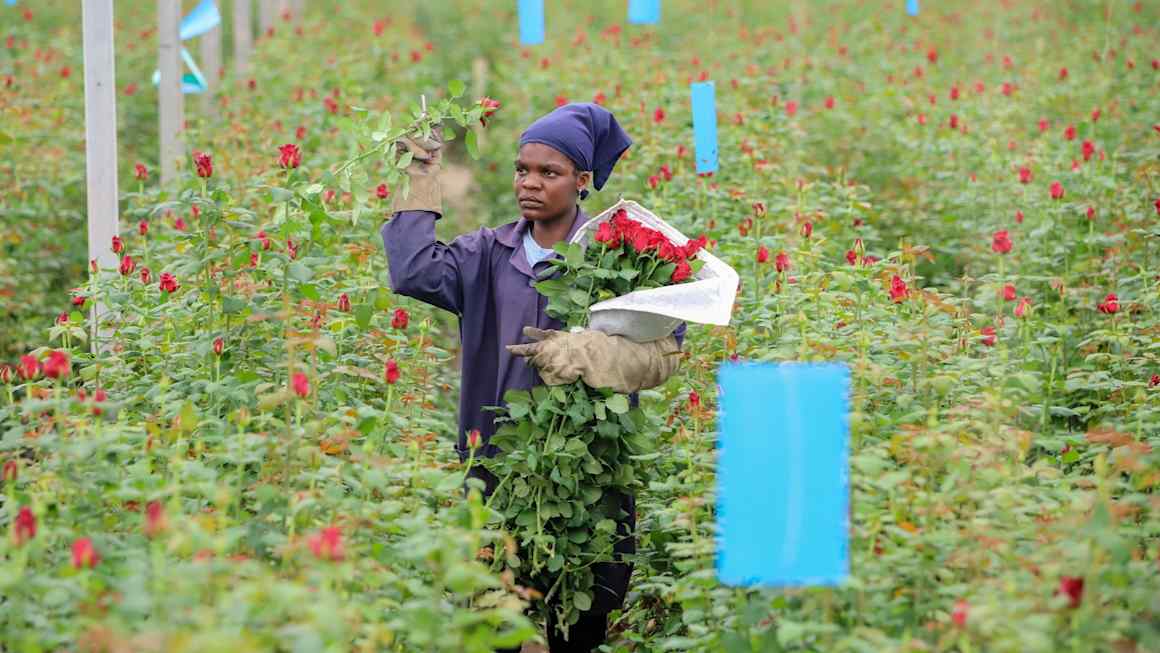
Ongoing conflict in Iran has created a ripple effect across global supply chains, severely impacting the trade dynamics between East Africa and the Middle East. The instability has crushed demand within Gulf markets, which serve as a significant destination for Kenya's agricultural output, while simultaneously triggering a sharp increase in air freight and shipping costs.
These combined logistical and market pressures are placing immediate strain on Kenya's export sectors, specifically targeting roses and tea. As a major producer of these commodities, Kenya relies heavily on the Gulf region to absorb its harvest, meaning that disruptions in transit zones or key consumer areas have direct consequences for local growers and exporters.
The surge in freight costs affects the economics of moving goods from the coast to international buyers, eroding profit margins even before products reach their final destination. For time-sensitive goods like fresh-cut roses, which typically depend on rapid air transport, these cost increases are particularly damaging. Similarly, tea shipments face higher shipping expenses that complicate the ability to compete in a market already weakened by the conflict.
Global supply chains for agricultural products are notoriously sensitive to geopolitical instability in transit zones and key consumer markets. The current situation illustrates how regional security issues can quickly translate into tangible economic losses for nations that depend on efficient trade routes to move their produce to buyers.
While the specific magnitude of the market contraction in the Gulf region remains unquantified in current reports, the trend indicates a difficult environment for Kenyan exporters. The lack of granular data on volume drops or exact cost escalations makes it challenging to forecast the full extent of the decline, but the causal link between the conflict and the deterioration of trade flows is evident.
Until the situation stabilises or alternative trade routes are secured, the pressure on Kenya's rose and tea industries is expected to persist. The interplay between rising logistics costs and diminished market appetite suggests a period of reduced export performance for these vital commodities.