Iran conflict deepens European economic contraction as growth forecasts slashed
The European Commission has downgraded its 2026 growth outlook to 0.9 percent, while S&P Global data reveals the fastest private sector contraction in over two years, driven by surging input costs and weakening demand.
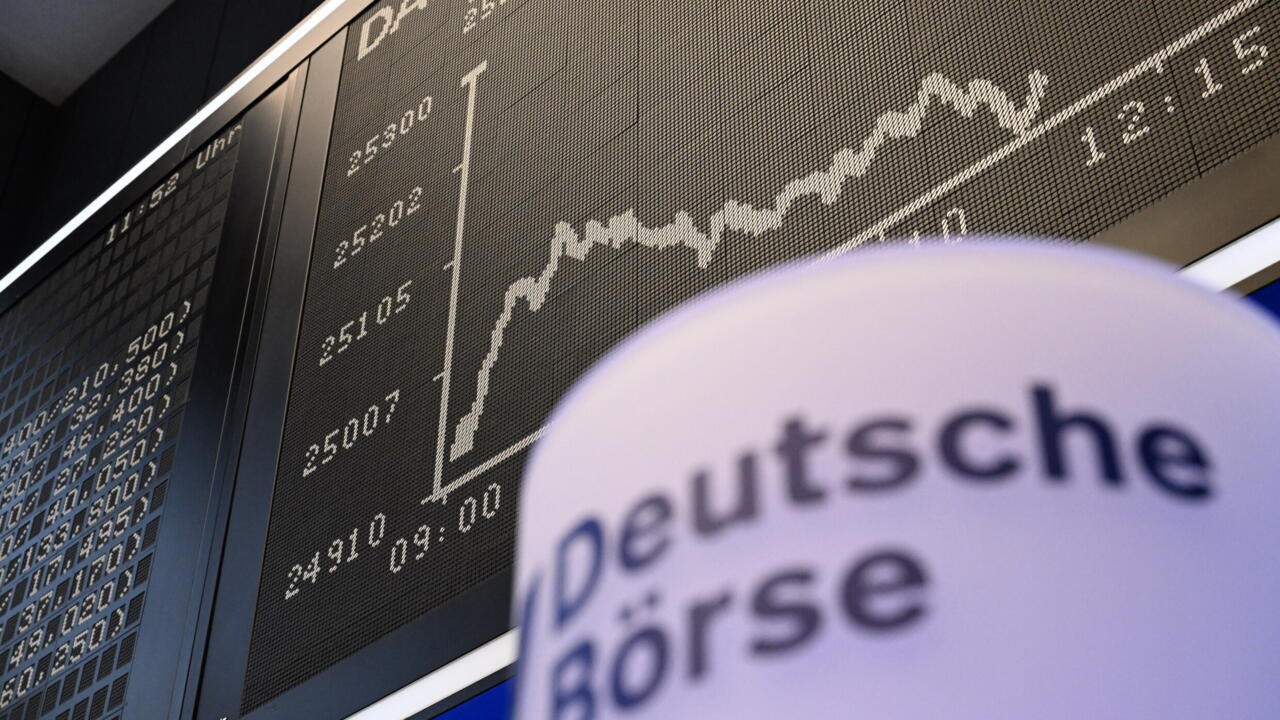
The ongoing conflict involving Iran is accelerating an economic slowdown across Europe, characterised by rising energy costs, contracting business activity, and intensifying inflation. Fresh data for May indicates that the eurozone private sector is shrinking at its fastest pace in more than two years, presenting policy makers with a complex dilemma as they attempt to balance growth support against persistent price pressures.
The S&P Global Flash Euro Zone Composite Purchasing Managers’ Index fell to 47.5 in May from 48.8 in April, marking the second consecutive month of contraction. This reading, which sits below the 50.0 threshold indicating expansion, signals that the economy has been stagnating. Services activity, the dominant driver of the eurozone economy, contracted sharply to 46.4 from 47.6, while new orders across the private sector fell at their fastest pace in 18 months.
Inflationary pressures are simultaneously intensifying, with input price inflation hitting a three-and-a-half-year high. S&P Global warned that these price gauges point to consumer price inflation running close to 4 percent in the coming months. The Bundesbank reported that inflation in Germany is trending upwards, with economic growth likely to be flat during the second quarter, further complicating the outlook for the region’s largest economy.
In response to the cost-of-living crunch, French authorities have announced €710 million in additional aid measures, bringing total support to nearly €1.2 billion. However, French Prime Minister Sébastien Lecornu explicitly ruled out broader tax cuts on fuel, stating that support will remain targeted at those most in need. This targeted approach reflects the broader challenge facing governments as they navigate the energy shock without triggering wider fiscal strain.
Energy security remains a critical concern, with Equinor executives warning of a potential critical gas stock shortfall if disruptions in the Strait of Hormuz persist for one to three months. European gas storage is currently at 35 percent capacity, significantly below the seasonal norm of around 50 percent. The European Commission has downgraded its 2026 eurozone growth forecast to 0.9 percent from 1.3 percent in 2025, with Economy Commissioner Valdis Dombrovskis noting that forecasts could roughly halve if energy prices peak late in 2026.
The labour market is deteriorating in tandem with economic activity. Eurozone companies cut headcount for a fifth consecutive month, with the pace of job losses being the steepest since November 2020. Services firms reduced headcounts for the first time since early 2021, while manufacturing payrolls shrank again. The European Central Bank is widely expected to raise interest rates in June, though the depth of the current economic weakness may force a re-evaluation of that trajectory.