Iran claims 20,000 without water after US strikes reservoirs
Tehran alleges infrastructure damage as tensions escalate following the downing of an American aircraft, while US officials maintain operations were limited to military targets.
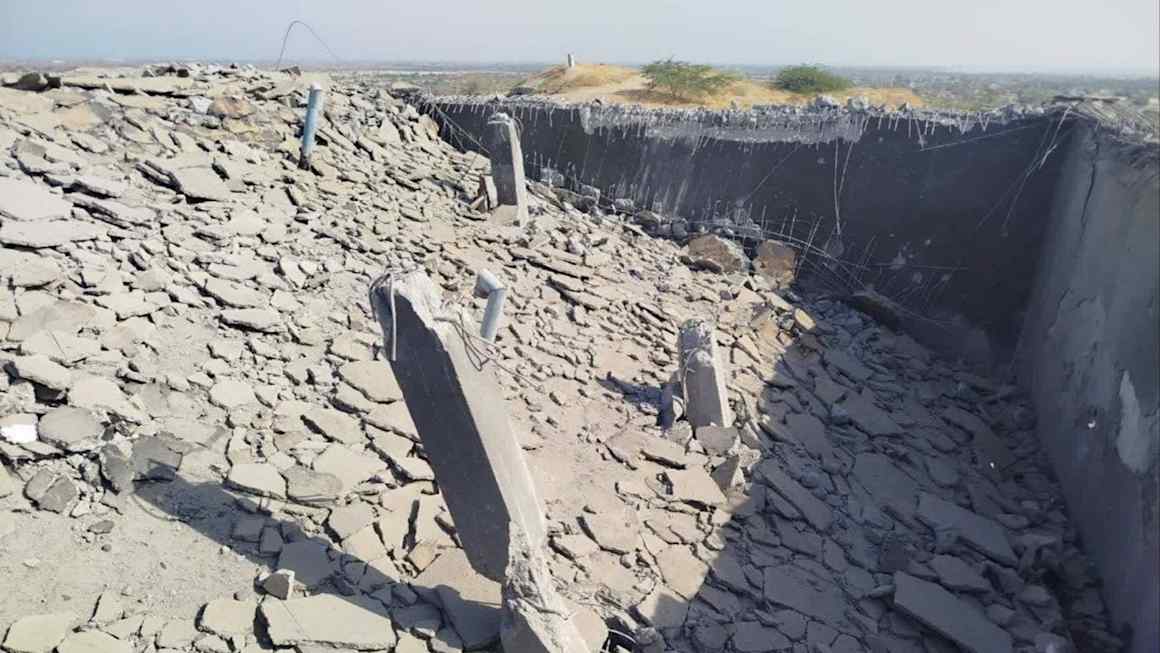
Iran has stated that 20,000 people are without access to water following United States airstrikes on reservoir tanks, a claim that stands in direct contrast to Washington’s account of the military operation. The dispute highlights the rapidly escalating tensions between the two nations, with Tehran alleging significant civilian infrastructure damage while US officials insist the strikes were strictly targeted at military installations.
The United States Department of Defence confirmed that its jets targeted air defence and radar sites in Iran. According to Washington, the military action was a direct response to Iranian forces downing an American helicopter. The US maintains that its operations were limited to these specific military objectives, rejecting the narrative that civilian water supplies were compromised.
Conversely, Iranian authorities have reported that the US strikes hit reservoir tanks, resulting in a disruption to the water supply for approximately 20,000 individuals. This figure is based on Iranian claims and has not been independently verified. The conflicting accounts underscore the difficulty in assessing the precise impact of the strikes in real-time, with both parties presenting diverging versions of the event’s outcome.
The incident occurs against a backdrop of broader regional conflict involving Israel, the United States, and Iran. Israel is currently conducting military operations in Gaza and Lebanon, while also participating in joint strikes with the US against Iran. These actions have contributed to a significant escalation in the region, following attacks that killed much of Iran’s leadership and triggered widespread instability.
Amidst the military escalation, diplomatic and economic activities continue elsewhere. A recent summit in Beijing brought together US and Chinese leaders, attended by major technology CEOs including Elon Musk, Tim Cook, and Jensen Huang. The discussions focused on trade, artificial intelligence, and the security of the Strait of Hormuz, reflecting the complex interplay between geopolitical security and global economic interests. Meanwhile, Iran faces significant economic challenges, with residents grappling with hyperinflation and military uncertainty, adding further pressure to the nation’s stability.