Iran blames US for blocking Hormuz transit pact with Oman
Tehran claims Washington is obstructing a bilateral agreement with Muscat to establish a phased framework for safe passage through the critical waterway.
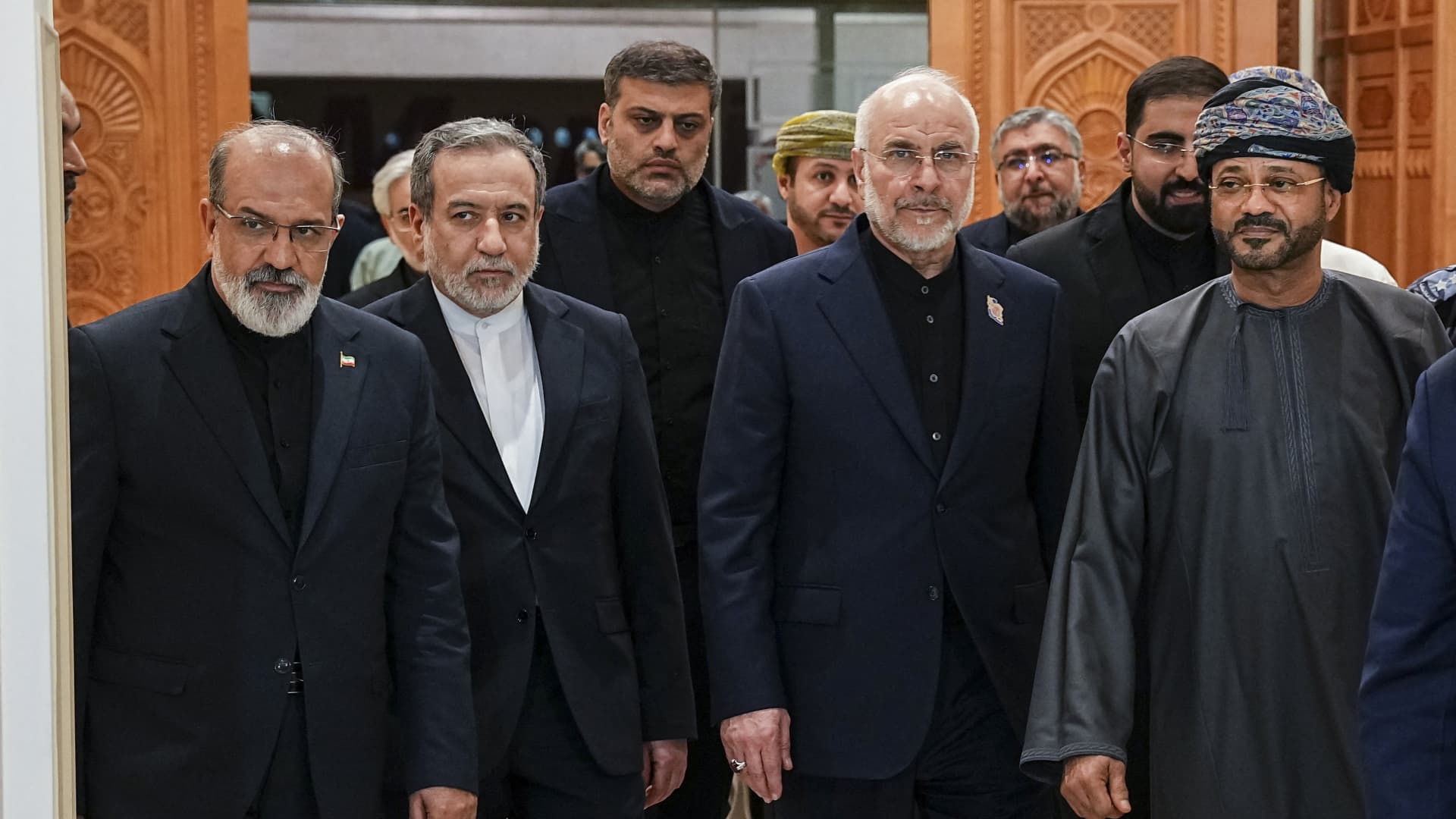
Iran has accused the United States of obstructing a potential agreement with Oman regarding the safe transit and future administration of the Strait of Hormuz. The two nations are reportedly approaching a deal that would secure passage through the vital economic artery, a development that carries significant implications for global energy flows.
The proposed arrangement is described as a "phased framework" that includes the establishment of a joint temporary navigational corridor. Tehran frames this as a specific regulatory measure rather than a blanket reopening of the passage, a distinction that allows Iran to retain leverage over the flow of vessels.
This diplomatic push occurs against a backdrop of heightened regional tensions. Iran has previously insisted that the strait remains closed unless the United States ends the ongoing war, a position maintained despite active discussions with Oman. The current talks align with a June memorandum of understanding between the US and Iran, which laid the groundwork for regulating transit through the waterway.
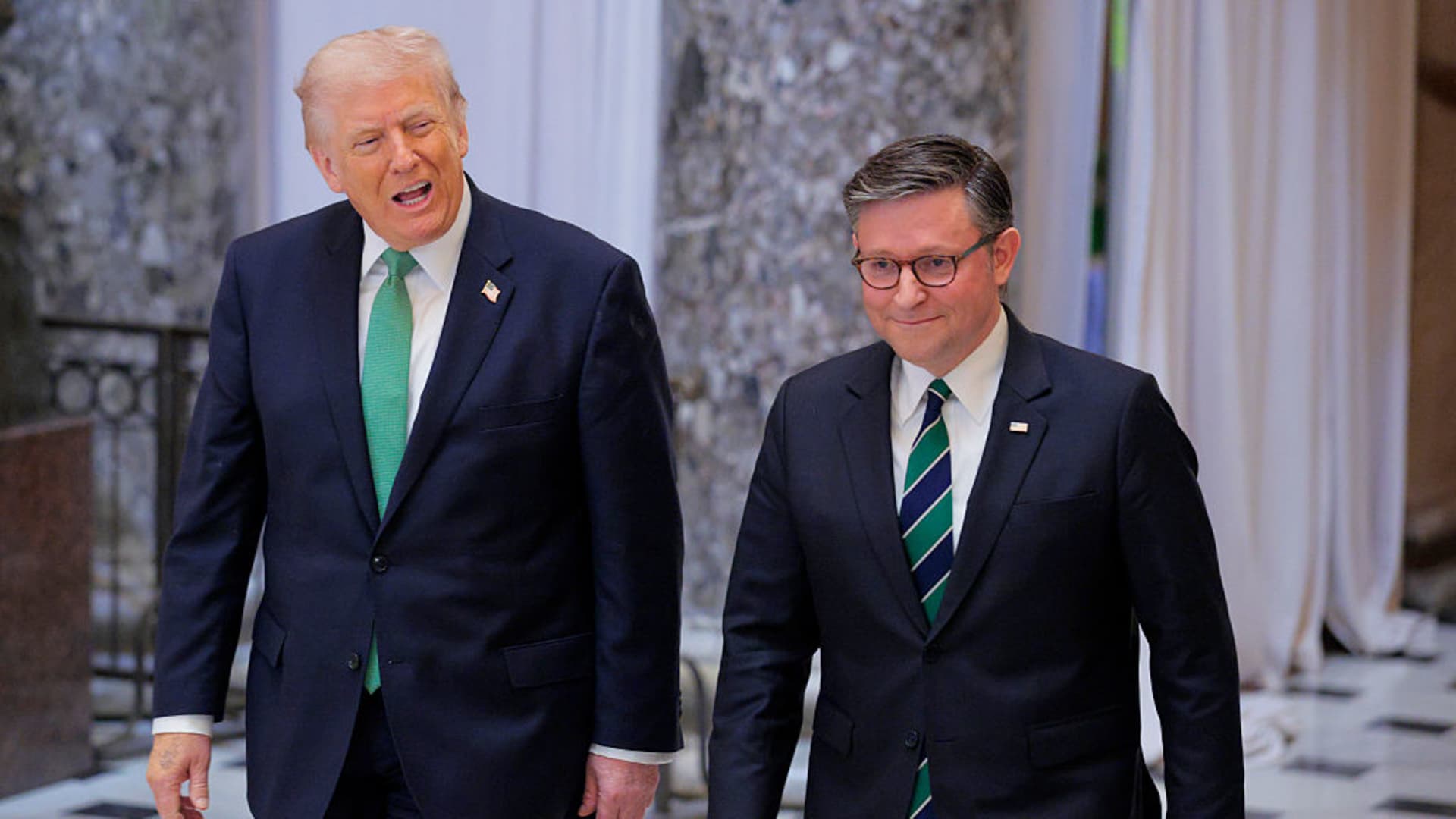
Political friction has further complicated the landscape following President Donald Trump’s recent assertion that the Strait of Hormuz would soon become US territory. Iran’s deputy foreign minister rejected this claim, stating the waterway "will remain Iranian," a response that underscores the diplomatic stakes involved in the current negotiations.
For investors and energy markets, the uncertainty surrounding the strait’s operational status remains a key risk factor. Japan, which relies heavily on oil imports passing through the strait, is moving to secure its energy supplies by supporting alternative pipeline initiatives in the Middle East. Tokyo has already tapped its oil reserves and increased crude imports from other countries to bypass the waterway.
The exact terms of the approaching deal between Iran and Oman are not yet fully detailed, and it remains unclear if the US has formally responded to Iran’s claim of obstruction. However, the potential for a joint temporary corridor suggests a shift towards structured transit regulations that could stabilise shipping routes in the region.