Iran Activates 'Mosquito' Boat Fleet to Disrupt Strait of Hormuz Following Naval Devastation
Analysts warn that this asymmetrical strategy aims to deny access to key waterways and raise intervention costs without escalating to full-scale war, leveraging hidden underground tunnels and a layered network of drones.
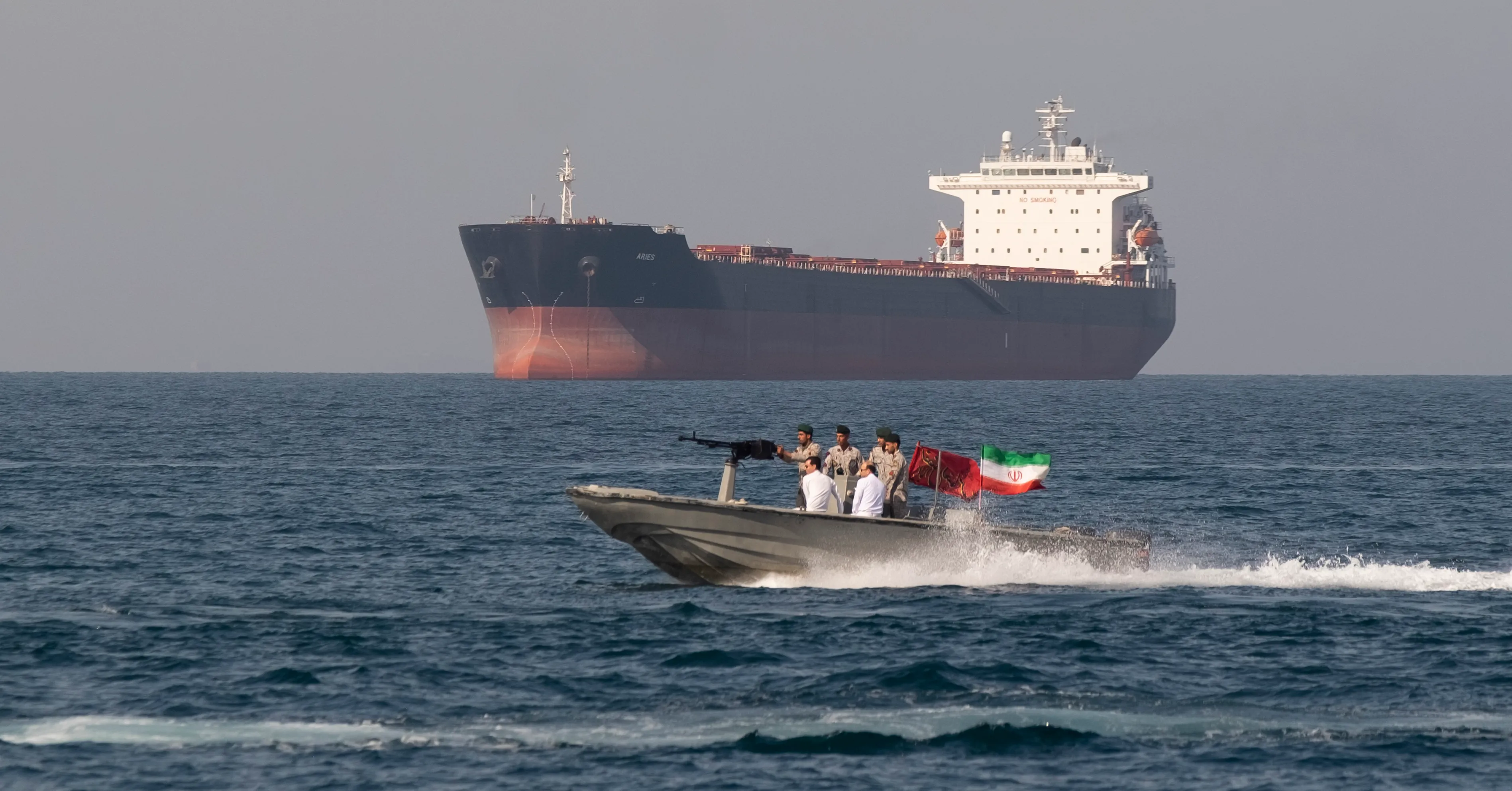
Following the near-total destruction of Iran's conventional naval fleet by US and Israeli raids, the Islamic Revolutionary Guards Corps (IRGC) has activated a swarm of small, armed vessels known as 'mosquito boats' or a 'hemostat' fleet. These fast attack boats, equipped with missiles, machine guns, and drones, are being used to seize cargo ships and threaten maritime traffic in the Strait of Hormuz. The deployment marks a significant shift in Tehran's naval posture, moving away from traditional surface engagements toward a guerrilla-style doctrine designed to disrupt critical global supply lines.
The strategic pivot came after a period of intense pressure on Iran's regular armed forces. In mid-April, US President Donald Trump claimed on Truth Social that Iran's traditional navy was annihilated, stating that 158 ships had been sunk and dismissing the smaller fast attack boats as non-threatening. Less than 10 days later, on April 22, Iranian small vessels successfully seized two large container ships leaving the Strait of Hormuz, a development that directly contradicted earlier assessments of their capability and highlighted the resilience of the IRGC's hidden assets.
Analysts note that this asymmetrical strategy aims to deny access to key waterways and raise intervention costs without escalating to full-scale war. Michael Eisenstadt, an analyst at the Washington Institute for Near East Policy, explains that these vessels were developed during the Iran-Iraq War to disrupt oil tankers, comparing their swarm tactics to US torpedo squadrons in World War II. He notes that Iran possesses over 1,000 such small boats armed with rockets, machine guns, anti-ship missiles, and mines, supported by thousands of drones.
The Hudson Institute reports that while conventional platforms were sunk, the IRGC's asymmetrical naval component remained intact and is designed specifically for combat in the Strait of Hormuz. This parallel chain of command, separate from the regular Iranian Navy, allowed Tehran to maintain this guerrilla naval doctrine even as the rest of the fleet was targeted. The overall architecture includes coastal bases, hidden infrastructure, radar, mines, civilian vessels, and Shahed drones to create a layered network of threats that complicates access to the strait.
These assets are reportedly stored in reinforced underground tunnels along the Persian Gulf coast, which analysts suggest would require sustained ground raids to destroy. Eisenstadt states that unless the US is willing to land ground forces to conduct raids inside this complex network of tunnels, they will likely be unable to destroy these capabilities. The Hudson Institute adds that this approach seeks not control but denial, complicating access to key waterways and sustaining coercive leverage without escalating into full-scale war.
The Strait of Hormuz remains a critical chokepoint for global oil and container shipping, making it a primary target for this new defensive posture. By leveraging its proximity to the strait and utilizing a diverse range of capabilities, Iran can pose a serious naval threat even though much of its military fleet has been destroyed. Experts say it is difficult to eliminate these boats because you have to find where they are hidden, creating an increasingly unstable situation that resists decisive destruction.
This story originally appeared on WIRED Italia and has been translated from Italian. The deployment underscores the enduring threat posed by the IRGC's unique military architecture, which is designed to impose friction and attrition rather than to seek or win a decisive naval engagement.
